
Peru Travel Insurance: Coverage Guide for Machu Picchu and Treks
By the Goo Machu Picchu team · Checked against official sources (editorial policy) · Updated October 2026 · 5 min read
Peru travel insurance is a short-term policy that pays for medical care, emergency evacuation, trip cancellation and lost belongings while you visit Peru. Peru does not require it for US tourists, but most US health plans and Medicare pay little or nothing abroad, and high-altitude treks raise the stakes. For Machu Picchu trips, it is strongly recommended.
This guide covers only insurance for a Peru trip: whether you need it, which coverage types matter most, altitude and adventure limits that catch trekkers, cancellation rules for non-refundable tickets and permits, how to compare policies, and how claims work from Cusco.
- Required for entry
- No, for US tourists
- Most important cover
- Medical and emergency evacuation
- Trekkers must check
- Maximum altitude covered
- Inca Trail high point
- About 4,215 m (13,828 ft)
- Buy
- Soon after your first deposit
- Medicare abroad
- Generally no coverage
Do You Need Travel Insurance for Peru?
You do not legally need travel insurance to enter Peru as a US tourist, but you should have it. Most US health plans offer little overseas coverage, Medicare generally pays nothing abroad, and private clinics in Cusco expect payment upfront. An evacuation from the Andes to Lima or the US can cost far more than the trip itself.
- No proof of insurance is checked at Peruvian immigration.
- Private clinics often require a deposit or card guarantee.
- Altitude sickness is the most common medical issue in Cusco.
- Treks reach remote areas far from hospitals.
- Machu Picchu tickets and Inca Trail permits are non-refundable.
Entry rules are explained in the Peru visa requirements guide, and wider risks are covered in our is Peru safe guide.
What Should Peru Travel Insurance Cover?
Peru travel insurance should cover emergency medical treatment, medical evacuation and repatriation, trip cancellation and interruption, and baggage loss or delay. Trekkers also need adventure activity cover at the right altitude. Medical and evacuation limits matter most, since a helicopter or air ambulance from the Andes is the largest possible cost.
| Coverage type | Why it matters in Peru | Priority |
|---|---|---|
| Emergency medical | Clinics in Cusco and Lima charge upfront | Essential |
| Medical evacuation | Remote treks and high altitude | Essential |
| Trip cancellation | Non-refundable tickets, permits, trains | High |
| Trip interruption and delay | Strikes, landslides, flight changes | High |
| Adventure and trekking | Inca Trail, Salkantay, Rainbow Mountain | High for hikers |
| Baggage and theft | Bags on buses, pickpockets in cities | Medium |
Why Altitude Limits Matter for Inca Trail and Trek Insurance
Altitude limits matter because many travel insurance policies only cover hiking below a set height, often 3,000 to 4,500 meters. Peru's popular treks climb higher: the Inca Trail reaches about 4,215 m, Salkantay about 4,600 m and Rainbow Mountain about 5,036 m. Above your policy limit, injuries and evacuation may not be covered.
| Trek or site | Highest point | Check policy covers |
|---|---|---|
| Cusco city | About 3,400 m | Standard cover usually fine |
| Machu Picchu | About 2,430 m | Standard cover usually fine |
| Classic Inca Trail | About 4,215 m | At least 4,500 m |
| Salkantay trek | About 4,600 m | At least 5,000 m |
| Rainbow Mountain | About 5,036 m | At least 5,500 m |
| Ausangate trek | About 5,200 m | Specialist trekking cover |
Symptoms and acclimatization are explained in the Cusco altitude guide, and trek effort is compared in the Inca Trail difficulty guide.
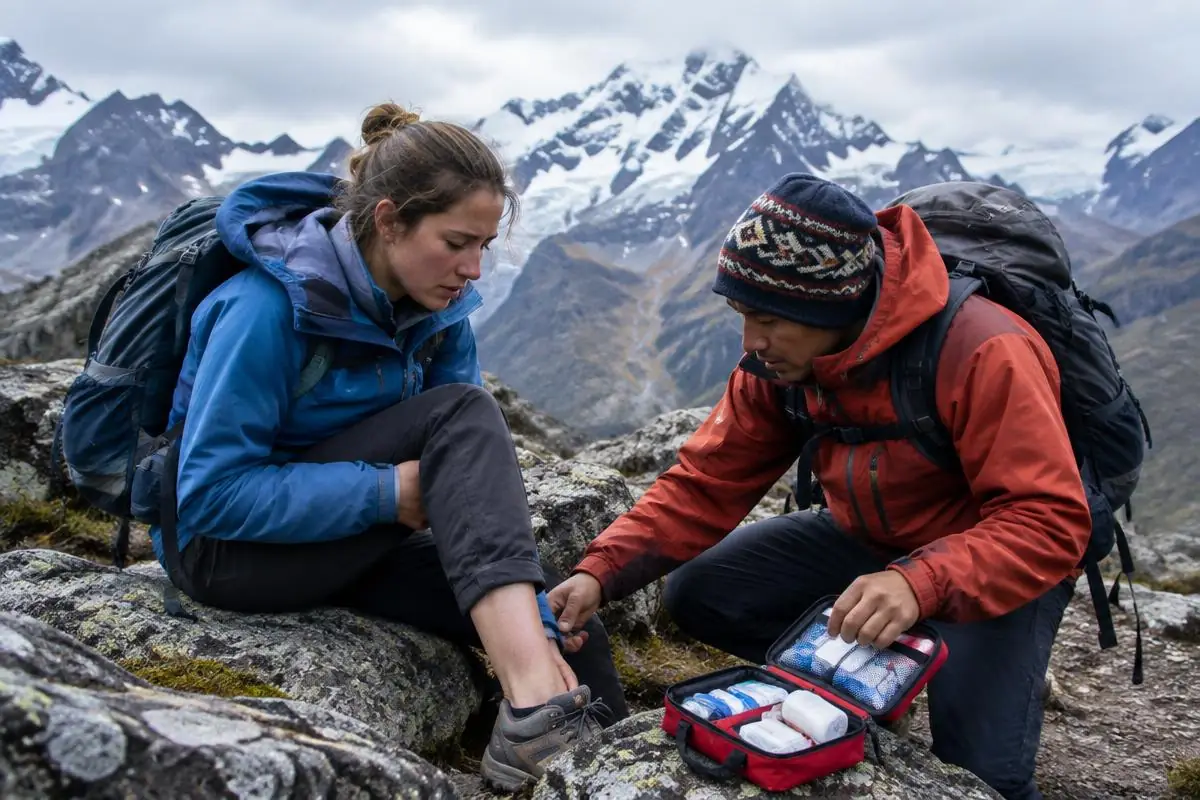
How Does Trip Cancellation Cover Work for Machu Picchu Bookings?
Trip cancellation cover reimburses prepaid, non-refundable costs when you cancel for a covered reason, such as illness, injury or a family emergency. For Machu Picchu trips this matters because entry tickets and Inca Trail permits cannot be refunded or changed. Standard policies do not cover simply changing your mind, unless you buy Cancel For Any Reason upgrades.
- Buy soon after your first deposit to get full benefits.
- Keep receipts for tickets, permits, trains and tours.
- Check if strikes and natural disasters count as covered.
- Cancel For Any Reason usually refunds only part of costs.
- Pre-existing condition waivers often need early purchase.
How tour deposits, refunds and permits are handled is set out in our booking and cancellation policy, and permit rules are in the Inca Trail permits guide.
How Much Does Travel Insurance for Peru Cost?
Travel insurance for Peru typically costs around 4 to 10 percent of your prepaid trip cost for a comprehensive plan with cancellation cover. Medical-only plans cost less. Price rises with age, trip cost, trip length and add-ons such as adventure sports, higher altitude limits or Cancel For Any Reason upgrades.
- Traveler age has the biggest effect on price.
- Higher declared trip cost raises cancellation premiums.
- Medical-only plans suit trips with few prepaid costs.
- Adventure and altitude riders add cost for trekkers.
- Annual plans can save money for frequent travelers.
Full trip budgets are broken down in the Machu Picchu cost guide.
How to Choose the Best Travel Insurance for Peru
To choose the best travel insurance for Peru, start with medical and evacuation limits, confirm the altitude and trekking activities are covered, then compare cancellation terms for your prepaid costs. Read the exclusions closely. A policy that looks cheap may exclude trekking above 3,000 meters, which rules out most Andes treks.
- List your highest altitude and every planned activity.
- Add up non-refundable costs: tickets, permits, flights, tours.
- Compare medical limits, ideally $100,000 or more.
- Confirm evacuation cover of $250,000 or more for treks.
- Check exclusions for altitude, strikes and pre-existing conditions.
- Look for 24/7 assistance with Spanish-speaking staff.
- Save the policy and emergency number offline on your phone.
How Do You Make a Claim While in Peru?
To make a claim while in Peru, call your insurer's 24/7 assistance line before treatment if possible, so they can approve care or pay the clinic directly. Keep every receipt, medical report and police report. For theft, file a report at a Peruvian police station or tourist police office, since insurers rarely pay without one.
- Call the assistance line as soon as it is safe.
- Ask whether the clinic can bill the insurer directly.
- Collect medical reports, receipts and prescriptions.
- File a police report for theft with the tourist police.
- Photograph damaged items and keep transport tickets.
- Submit the claim online soon after returning home.
Frequently asked questions
Does my US health insurance work in Peru?
Most US health insurance plans offer limited or no coverage in Peru, and Medicare generally pays nothing abroad. Some private plans reimburse emergency care after you return, but you still pay upfront. Check your plan before travel, and add a travel medical policy to fill the gap.
Does travel insurance cover altitude sickness in Peru?
Many travel insurance policies cover treatment for altitude sickness in Peru, including oxygen, clinic visits and evacuation, as long as you stayed within the policy's altitude limit and activity rules. Check the wording, since some policies exclude illness from activities above a set height.
Does travel insurance cover strikes and protests in Peru?
Some travel insurance policies cover delays or interruptions caused by strikes and protests in Peru, but only if they were not already announced when you bought the policy. Once a strike is public news, it becomes a known event and is usually excluded.
Is travel insurance required for the Inca Trail?
Travel insurance is not legally required for the Inca Trail, and permits do not ask for proof. Many trekking operators strongly recommend it, and some ask for policy details before departure. Choose a policy that covers hiking to at least 4,500 meters with evacuation.
Do credit cards include travel insurance for Peru?
Some premium US credit cards include trip cancellation, delay and baggage cover when you pay for the trip with the card, and a few include evacuation. Card benefits rarely cover medical treatment fully. Read the benefit guide and compare it with a standalone policy.
When should I buy travel insurance for Peru?
Buy travel insurance for Peru soon after making your first payment, such as a tour deposit or flight. Early purchase often unlocks pre-existing condition waivers and Cancel For Any Reason options, and it protects costs if something happens before departure.
Are hospitals in Cusco good?
Cusco has private clinics that handle common traveler problems such as altitude sickness, stomach illness and minor injuries, with oxygen available. Serious trauma or complex cases are often transferred to Lima. Travel insurance with evacuation cover makes those transfers affordable.
Does travel insurance cover lost Machu Picchu tickets?
Travel insurance usually does not replace a lost Machu Picchu ticket itself, since tickets are digital and tied to your passport. If illness or another covered reason stops your visit, trip cancellation or interruption cover may reimburse the non-refundable ticket cost.
Planning a trek or Machu Picchu trip?
Send us your dates and we will share the altitudes and non-refundable items on your plan, so you can insure the right amounts. Prefer to read first? Get the free Machu Picchu trip guide.
Sources checked October 4, 2026
Recommended tours
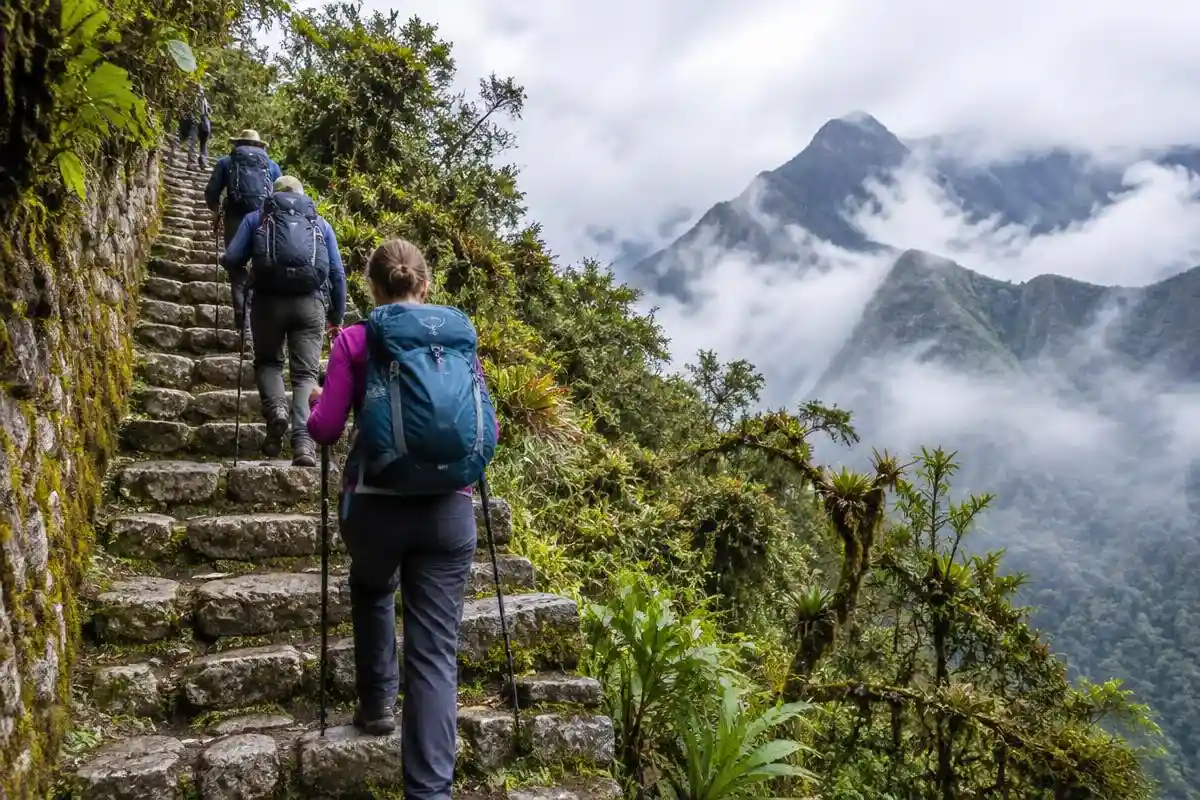
Inca Trail · 4 days
Classic Inca Trail to Machu Picchu, 4 Days
The world-famous 43 km trek on original Inca stone paths, ending at the Sun Gate.
from $827
View tour →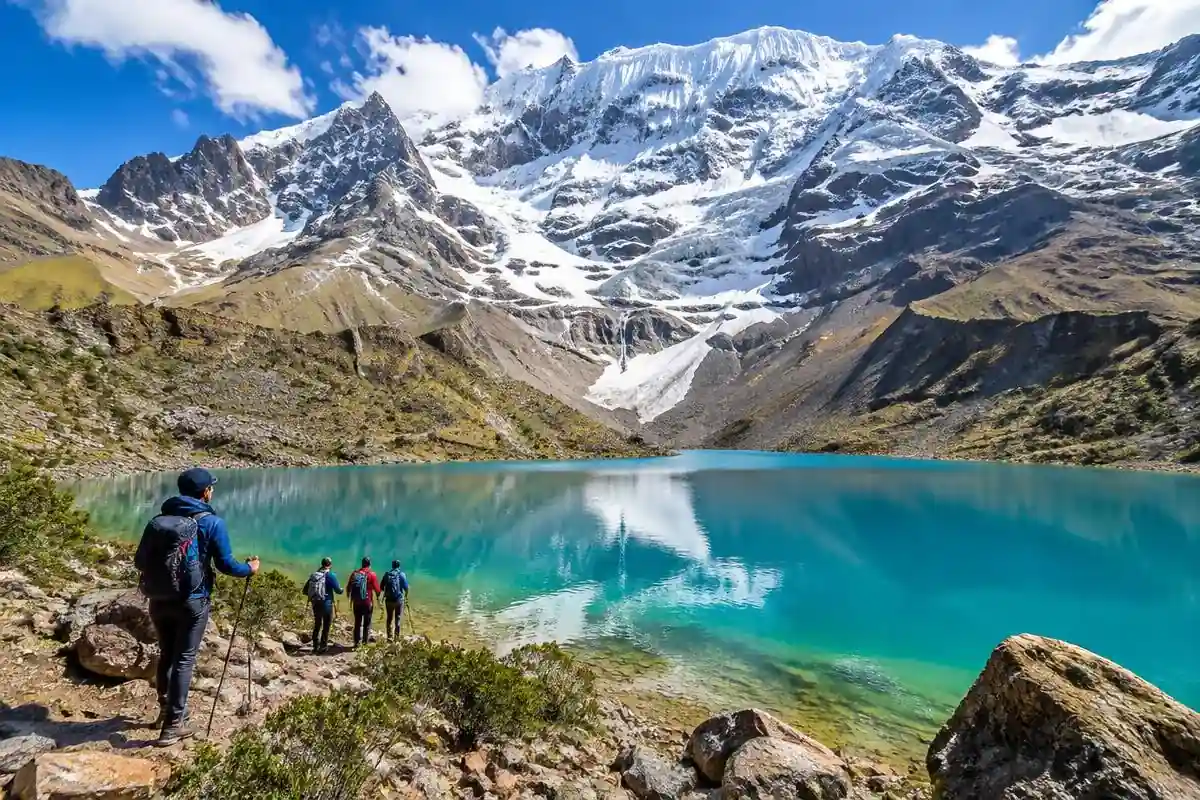
Treks · 5 days
Salkantay Trek to Machu Picchu, 5 Days
The best alternative to the Inca Trail: Humantay Lake, a 4,630 m pass and cloud forest.
from $490
View tour →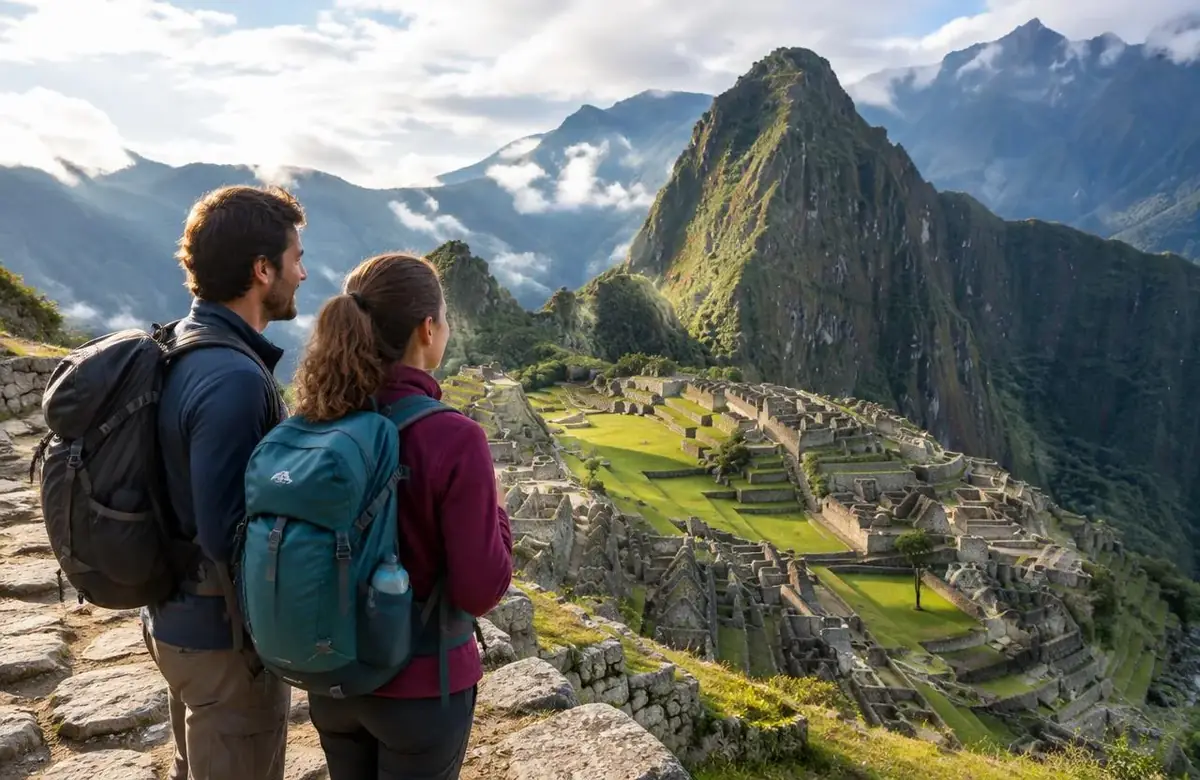
Packages · 7 days
Machu Picchu Vacation Packages, 3, 5 and 7 Days
3, 5 or 7 days from Cusco with hotels, trains, Machu Picchu tickets and guides arranged. From $479.
from $1290
View tour →Keep planning
- Machu Picchu Elevation: How High It Is and How the Altitude Feels
- Cusco Altitude: How High Cusco Is and How to Handle Your First Days There
- Is Peru Safe to Travel? A Practical 2026 Guide for Americans
- Machu Picchu Tickets 2026: Prices, Ticket Types and How to Buy
- Best Time to Visit Machu Picchu: Best Months, Seasons and Time of Day
- How to Get to Machu Picchu: Every Route From Cusco Compared
- Machu Picchu Bus: How the Shuttle From Aguas Calientes Works
- Machu Picchu Hotels: Best Places to Stay Near the Citadel by Area and Budget