
Is Peru Safe to Travel? A Practical 2026 Guide for Americans
By the Goo Machu Picchu team · Checked against official sources (editorial policy) · Updated October 2026 · 5 min read
Peru is safe for most US travelers who stay on the main tourist route and take normal city precautions. The US State Department rates Peru Level 2, Exercise Increased Caution. Cusco, the Sacred Valley, the Inca Trail and Machu Picchu are outside the Do Not Travel areas. Petty theft is the most common problem.
This guide explains the real risks, where they are and what to do about each one.
- US advisory
- Level 2, Exercise Increased Caution (Sept 2026)
- Cusco and Machu Picchu
- Not in Do Not Travel areas
- Most common issue
- Pickpocketing and bag theft
- Emergency number
- 105 police, 116 fire
- Health risk
- Altitude in Cusco
What Does the US Travel Advisory Say About Peru?
The US State Department rates Peru Level 2, Exercise Increased Caution, because of crime, unrest, kidnapping and terrorism risks in some areas. The September 2026 update kept that level. It notes that the City of Cusco, the Sacred Valley, the Inca Trail and Machu Picchu are not in the affected areas.
Level 2 is the same level the State Department gives several popular European countries. Read the full advisory before you go, because it can change. Sign up for the free STEP program so the US Embassy in Lima can reach you in an emergency.
Before you book, check the Peru entry requirements for Americans so your passport is valid.
Which Areas of Peru Should You Avoid?
The areas of Peru to avoid are the Level 4 Do Not Travel zones in the State Department advisory. These include the Colombia-Peru border in Loreto, the VRAEM river valleys including Vilcabamba, and the cities of Abancay, Ayacucho, Huancavelica and Huancayo. None are on a standard Lima, Cusco and Machu Picchu trip.
Most visitors only pass through Lima on the way to Cusco; our Lima to Machu Picchu guide shows the usual route.
| Area | Advisory status | On a typical Machu Picchu trip? |
|---|---|---|
| Cusco city and Sacred Valley | Level 2 | Yes |
| Inca Trail and Machu Picchu | Level 2 | Yes |
| Lima (Miraflores, Barranco) | Level 2 | Often, 1 to 2 nights |
| VRAEM valleys incl. Vilcabamba | Level 4 Do Not Travel | No |
| Colombia-Peru border, Loreto | Level 4 Do Not Travel | No |
| Abancay, Ayacucho, Huancavelica, Huancayo | Level 4 Do Not Travel | No |
How Safe Are Cusco and Machu Picchu for Tourists?
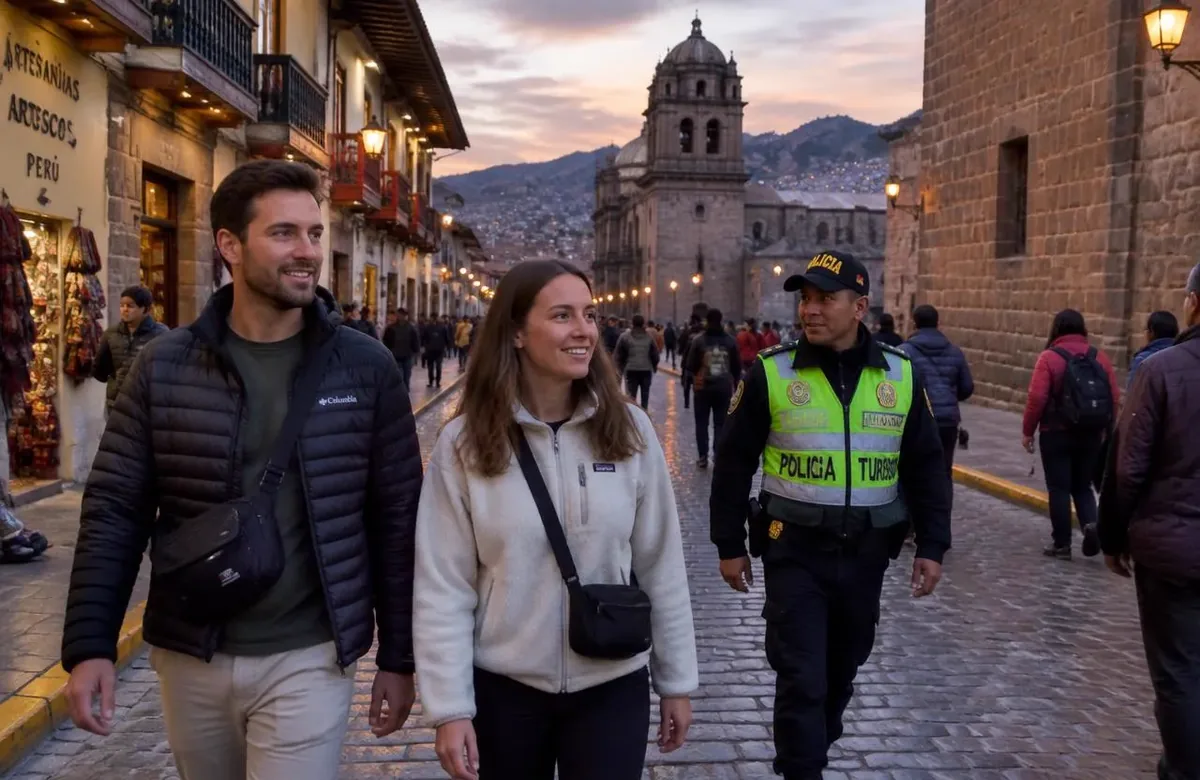
Cusco and Machu Picchu are among the safest places in Peru for tourists. The historic center of Cusco has tourism police on foot, and Machu Picchu is a controlled site with ticket checks and guards. The main risks are pickpockets in crowded markets, taxi scams at night and the altitude, not violent crime.
Our Cusco Peru guide covers neighborhoods and night safety in Cusco in more detail. At Machu Picchu, the biggest physical risks are slippery stone steps and steep drops, so follow the Machu Picchu rules and stay on marked paths.
What Are the Most Common Scams and Crimes in Peru?
The most common problems for travelers in Peru are pickpocketing, bag snatching, fake taxis and counterfeit money. Thieves work in busy markets, bus stations and crowded streets, sometimes using distraction such as a spill on your jacket. Express kidnappings in unofficial taxis are rare but are the main reason to book rides carefully.
- Pickpockets in markets, buses and festivals
- Distraction thefts, such as someone pointing out a stain
- Unofficial taxis, especially at night and at airports
- Fake notes given as change
- Overpriced photos with dressed-up llamas and children
Learn to spot real soles with our Peru currency guide.
How to Stay Safe in Peru: Practical Precautions
Staying safe in Peru comes down to a few habits. Book taxis through an app or your hotel, keep valuables out of sight, carry a copy of your passport, use ATMs inside banks and avoid walking alone late at night in empty streets. Most travelers who follow these steps have no problems.
Traveling alone? Our Machu Picchu solo travel guide adds tips for independent visitors.
- Enroll in the State Department STEP program before you fly
- Use app-based or hotel-booked taxis, never street cabs at night
- Carry a crossbody bag zipped and in front of you in crowds
- Withdraw cash from ATMs inside banks or malls during the day
- Keep your passport in the hotel safe and carry a copy
- Buy travel insurance with medical and evacuation cover
Are Protests and Strikes a Risk in Peru?
Protests and strikes are a real travel risk in Peru, mainly because they block roads and trains rather than target tourists. Demonstrations in past years have closed the rail line to Machu Picchu and stranded visitors for days. Avoid gatherings, follow local news and keep a spare day in your itinerary.
If a strike, called a paro, is announced, operators usually move train or tour times. Our Machu Picchu train guide explains the rail route and backup options.
What Health Risks Should You Plan For in Peru?
The main health risks in Peru for visitors are altitude sickness, stomach bugs and sun exposure. Cusco sits at about 11,150 feet, so headaches and poor sleep are common on the first nights. Drink bottled or filtered water, use strong sunscreen, and see your doctor before travel about vaccines and altitude medication.
Yellow fever and malaria matter mostly in the Amazon lowlands, not in Cusco or Machu Picchu. Check the CDC Peru page for current advice. Our Cusco altitude guide explains how to adjust.
The bigger context is explained in our Machu Picchu elevation guide.
Want this handled for you? Take a look at our Machu Picchu day trip from Cusco.
Frequently asked questions
Is Peru safe for solo female travelers?
Peru is generally safe for solo female travelers on the main tourist route. Catcalling can happen, and the usual city precautions matter more at night. Use app taxis, choose well-reviewed hostels or hotels, join group tours for remote areas, and read our solo travel guide for more tips.
Is Lima safe for tourists?
Lima is reasonably safe for tourists in districts like Miraflores, Barranco and San Isidro, where most hotels are. Petty theft and phone snatching happen, so keep your phone out of sight near roads. Avoid walking alone late at night and use app taxis instead of hailing cars on the street.
Is it safe to drink tap water in Peru?
Drinking tap water in Peru is not recommended. Use bottled, boiled or filtered water, including for brushing teeth if your stomach is sensitive. Many hotels offer refill stations, and a filter bottle cuts plastic waste. Ask for drinks sin hielo (without ice) at street stalls.
Is Peru safe to travel right now?
Peru is open to tourism, and the US State Department keeps it at Level 2, Exercise Increased Caution, as of September 2026. Cusco and Machu Picchu are outside the Do Not Travel zones. Check the current advisory and local news a few days before you fly, since protests can change plans.
What number do you call for emergencies in Peru?
In Peru you call 105 for the national police and 116 for firefighters, who also handle many rescues and ambulances. Cusco has a tourism police office near the historic center. Save the US Embassy in Lima number and your travel insurance helpline in your phone before you leave.
Is Uber available in Cusco and Lima?
Uber and similar ride apps operate in Lima and Cusco, and many travelers prefer them because the driver and price are recorded. Coverage is weaker in small towns. Confirm the plate number before getting in, and use your hotel to book a taxi when apps are not available.
Want a trip planned around safe, tested routes?
Alongside this Is Peru Safe guide, send your dates and questions and a local planner will reply with honest advice. Prefer to read first? Get the free Machu Picchu trip guide.
Sources checked October 3, 2026
Recommended tours
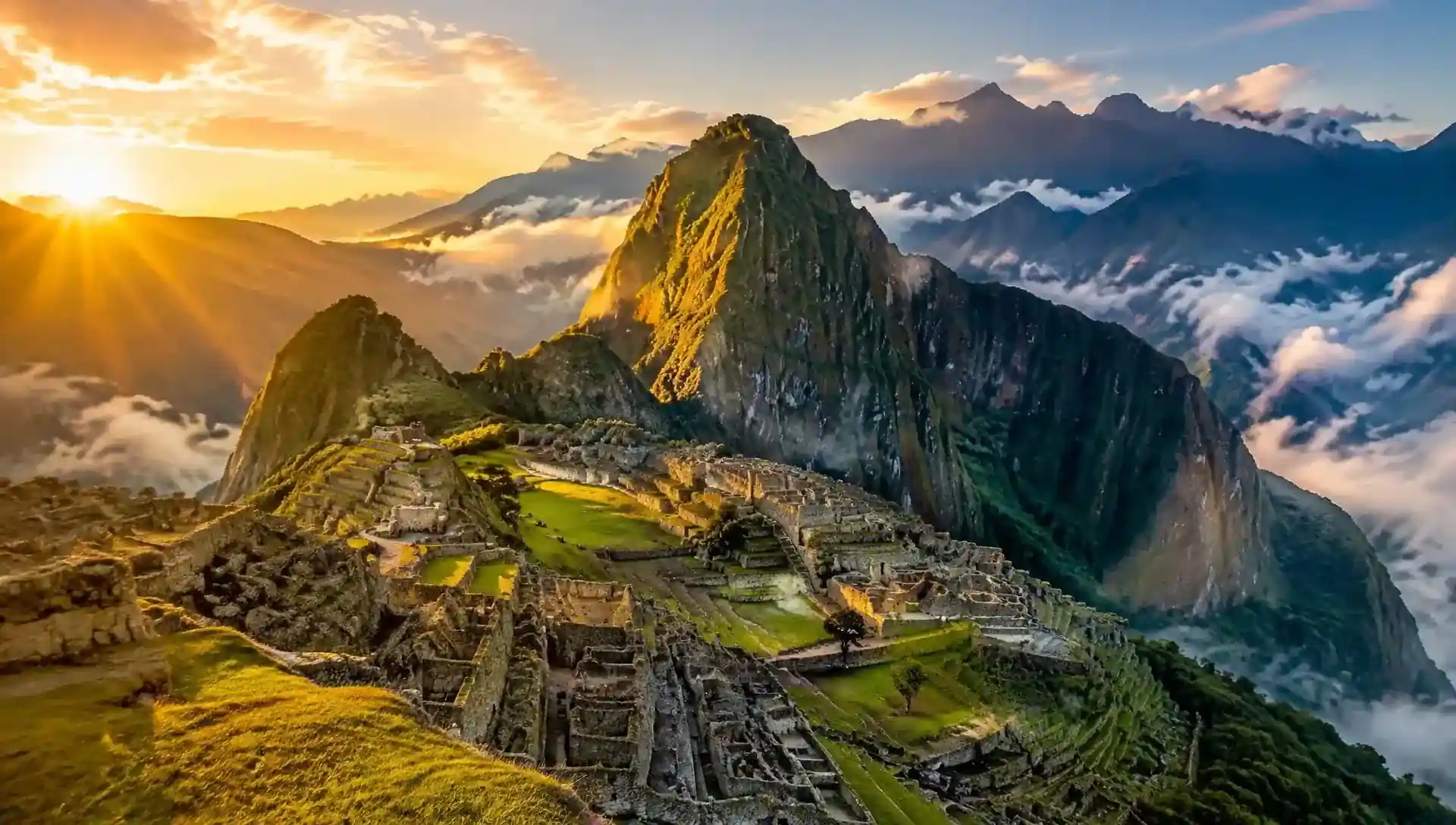
Machu Picchu · 1 day
Machu Picchu Day Trip from Cusco
Train, bus, entry ticket and guided tour of Machu Picchu in one easy day from Cusco.
from $379
View tour →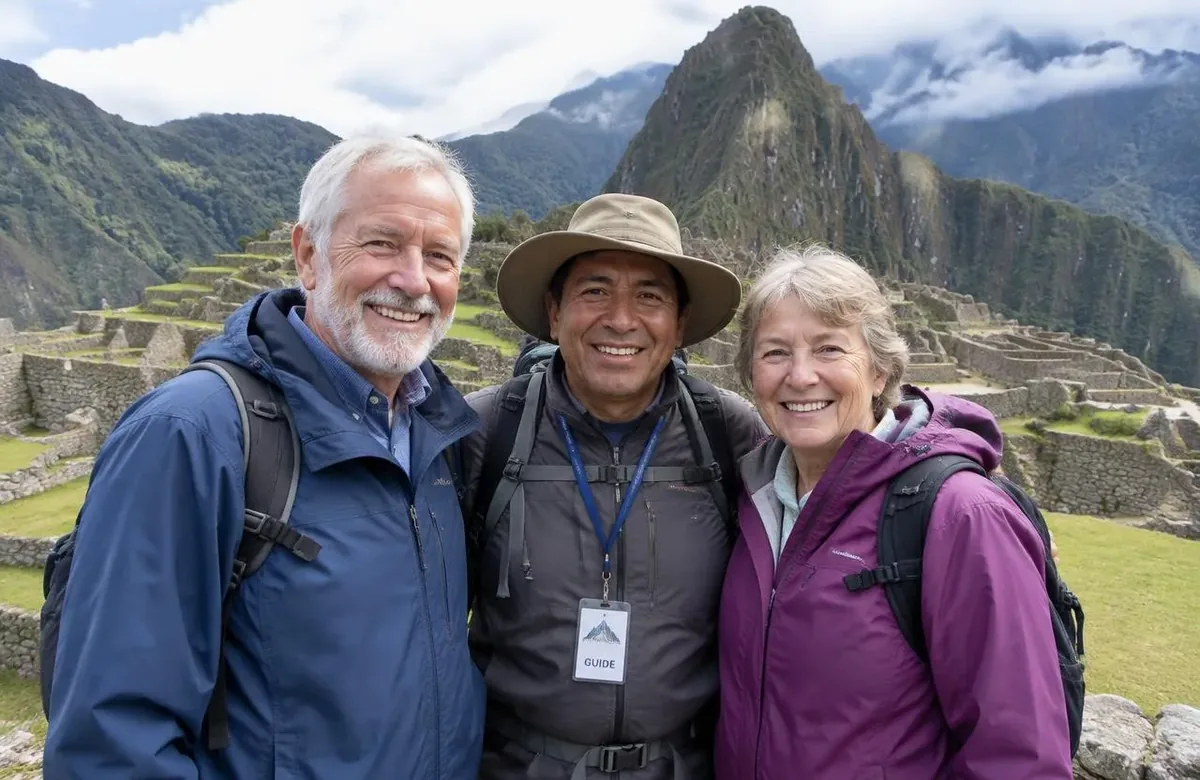
Packages · 7 days
Machu Picchu Tour for Seniors, 7 Days
A slow 7-day pace: Sacred Valley first for the altitude, panoramic train, a night in Aguas Calientes and a short-walk guided Machu Picchu visit.
from $940
View tour →Keep planning
- Machu Picchu Elevation: How High It Is and How the Altitude Feels
- Cusco Altitude: How High Cusco Is and How to Handle Your First Days There
- Peru Travel Insurance: Coverage Guide for Machu Picchu and Treks
- Machu Picchu Tickets 2026: Prices, Ticket Types and How to Buy
- Best Time to Visit Machu Picchu: Best Months, Seasons and Time of Day
- How to Get to Machu Picchu: Every Route From Cusco Compared
- Machu Picchu Bus: How the Shuttle From Aguas Calientes Works
- Machu Picchu Hotels: Best Places to Stay Near the Citadel by Area and Budget