
Lake Titicaca, Peru: The Complete Visitor Guide
By the Goo Machu Picchu team · Checked against official sources (editorial policy) · Updated November 2026 · 3 min read
Lake Titicaca sits on the Peru and Bolivia border at about 12,500 feet, making it one of the highest navigable lakes in the world. On the Peru side, most visitors stay in Puno and take a boat to the Uros floating reed islands and Taquile Island, often with a night in a family homestay on Amantani.
This guide covers what to see, how long to stay, how to get there from Cusco and how to handle the altitude.
- Altitude
- About 12,500 ft (3,810 m)
- Base town (Peru)
- Puno
- Top sights
- Uros, Taquile, Amantani
- Time needed
- 2 to 3 days
What Is Lake Titicaca?
Lake Titicaca is a large high-altitude lake shared by Peru and Bolivia. In Andean tradition it is linked to the origin of the Inca, and Quechua and Aymara communities still live on its islands and shores.
It is the largest lake in South America by volume. The Peru side is reached through Puno; the Bolivia side through Copacabana.
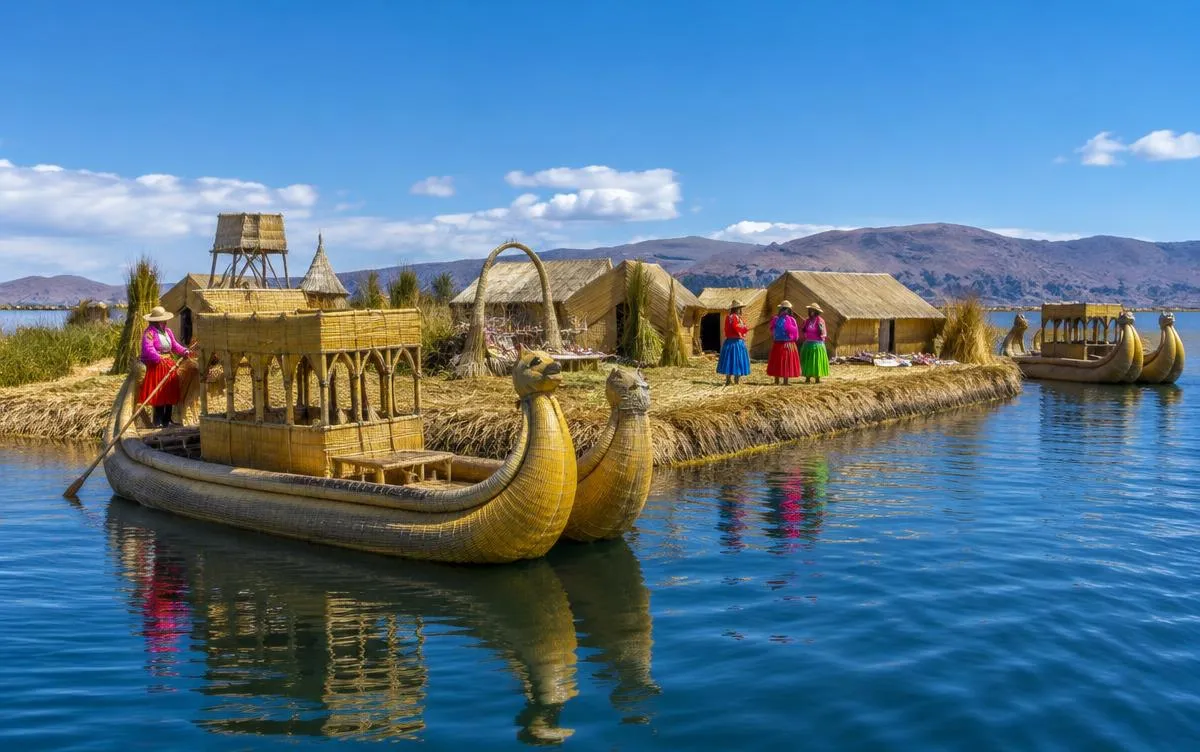
Uros Floating Islands
The Uros islands are man-made platforms built from layers of totora reeds, a short boat ride from Puno. Families live on them and show visitors how the islands and reed boats are made.
A visit usually takes a couple of hours and is included in most half-day and full-day lake tours.
Taquile and Amantani Islands
Taquile is known for its textile tradition, recognized by UNESCO, and for hilltop views over the lake. Amantani is quieter and best known for overnight homestays with local families.
| Island | Best for | Typical visit |
|---|---|---|
| Uros | Reed islands, quick visit | 2 hours |
| Taquile | Textiles, walking, views | Full day with Uros |
| Amantani | Homestay, sunset, local life | Overnight |
How to Get to Lake Titicaca from Cusco
Most travelers go from Cusco to Puno by tourist bus with sightseeing stops, by regular bus, or by a scenic train on some days. Flying to Juliaca, about an hour from Puno, is the fastest option.
Timetables and train days change, so check before booking. Coming from Lima? See Lima to Cusco.
Altitude at Lake Titicaca
Puno is higher than Cusco, so plan Titicaca after a few days in Cusco or the Sacred Valley rather than straight from sea level.
Read Cusco altitude and Machu Picchu altitude for how to acclimatize.
Best Time to Visit
The dry season, roughly May to September, brings clear skies and cold nights. December to March is wetter but greener. Nights are cold all year, so pack warm layers.
Pack with our Machu Picchu packing list and add extra warm layers.
Combine Lake Titicaca with Machu Picchu
The most common route is Lima, Cusco, Sacred Valley, Machu Picchu and then Puno. Two to three days at the lake is enough for Uros, Taquile and an Amantani homestay.
Our Machu Picchu and Lake Titicaca tour follows this route, and the 13-day Peru tour adds more of southern Peru. See also our Peru itinerary.
Frequently asked questions
How high is Lake Titicaca?
About 12,500 feet (3,810 m) above sea level, higher than Cusco.
How many days do I need at Lake Titicaca?
Two to three days covers Uros, Taquile and an overnight homestay on Amantani.
Is Lake Titicaca worth visiting?
Yes if you want living Andean culture and big lake scenery. It fits well after Machu Picchu on a 9-day or longer trip.
Is the Peru or Bolivia side better?
Peru has the Uros, Taquile and Amantani; Bolivia has Copacabana and Isla del Sol. Many US travelers visit only the Peru side.
Want Titicaca and Machu Picchu in one trip?
Send your dates on WhatsApp and we will plan the route.
Sources checked November 4, 2026
Recommended tours
Packages · 9 days
Machu Picchu and Lake Titicaca Tour, 9 Days
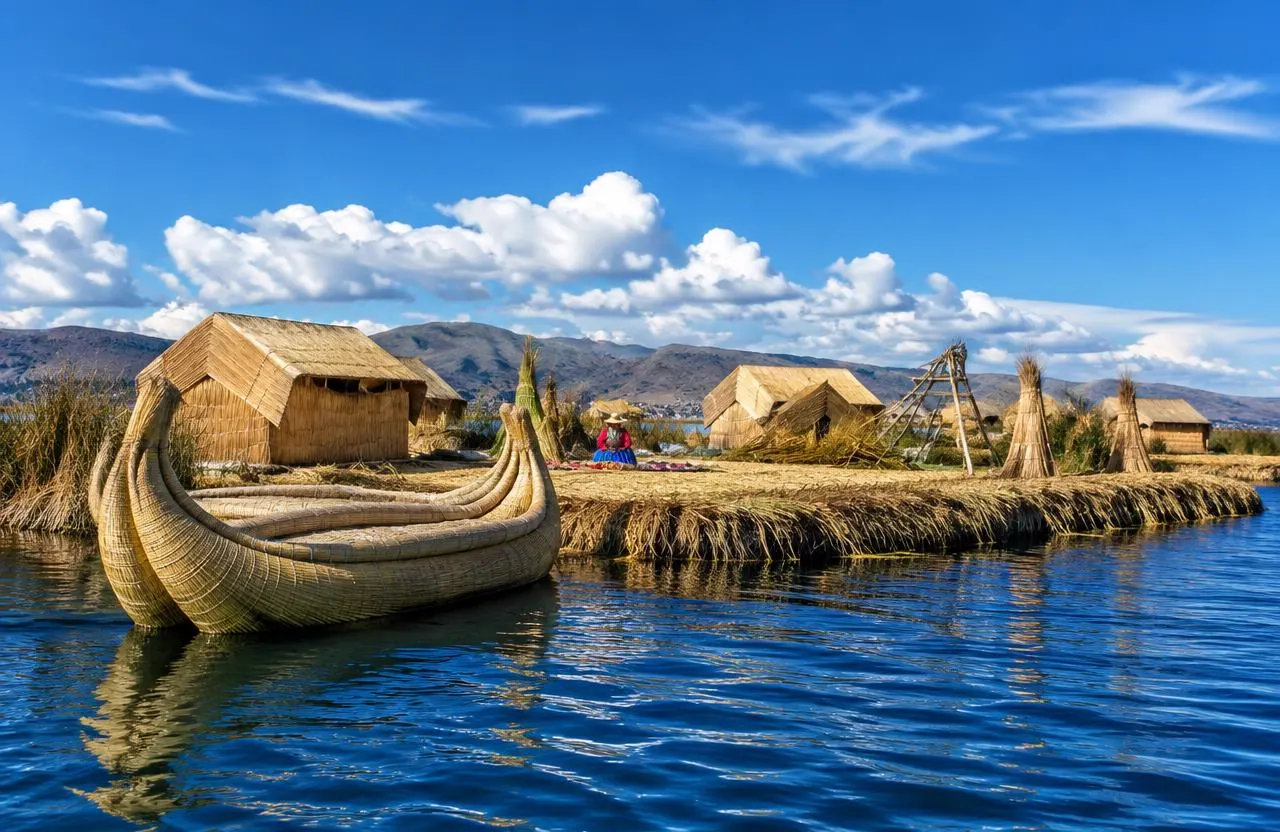
9 days: Lima, Cusco, Sacred Valley, a night beside Machu Picchu, the Route of the Sun to Puno and a boat day to the Uros and Taquile islands on Lake Titicaca.
from $1549
View tour →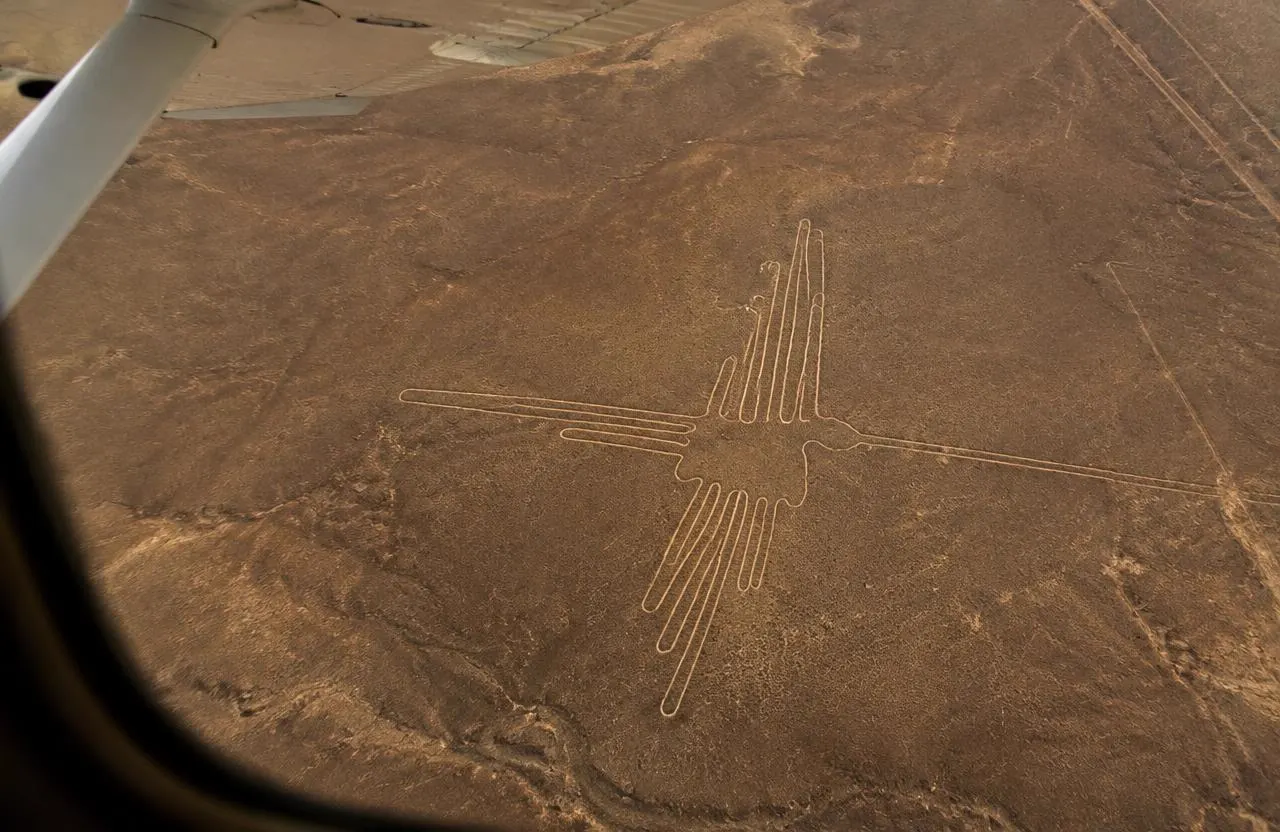
Packages · 13 days
Wonders of Peru Tour, 13 Days
13 days: Paracas and the Ballestas Islands, Nazca Lines flight, Arequipa, Colca Canyon condors, Lake Titicaca, Cusco, the Sacred Valley and Machu Picchu.
from $2249
View tour →Keep planning
- Aguas Calientes Hotels: Where to Stay in Machu Picchu Town and How to Choose
- Santa Teresa, Peru: Jungle Town Guide Near Machu Picchu
- Aguas Calientes Hot Springs: A Practical Guide to the Thermal Baths Below Machu Picchu
- Cocalmayo Hot Springs: Santa Teresa Thermal Pools Guide
- Ollantaytambo: The Inca Fortress Town of the Sacred Valley Explained
- Day Trips from Cusco: The Best One-Day Escapes Compared
- Sacsayhuamán: The Megalithic Inca Fortress Above Cusco Explained
- Cusco Food Guide: Traditional Andean Dishes to Try and Where to Eat Them