Cusco Peru Travel Guide: The Inca Capital Explained for First-Time Visitors
By the Goo Machu Picchu team · Checked against official sources (editorial policy) · Updated October 2026 · 7 min read
Cusco, Peru is a high Andean city of roughly 430,000 people and the former capital of the Inca Empire, now a UNESCO World Heritage Site and the main base for Machu Picchu. Cusco sits at about 11,150 feet, so most US travelers fly in from Lima and plan two or three days to adjust.
- Location
- Southeastern Andes, Cusco Region
- Elevation
- About 11,150 ft (3,400 m)
- Population
- Roughly 430,000 (metro)
- Status
- UNESCO World Heritage Site since 1983
- Time zone
- UTC-5, same as US Eastern Standard
- Currency
- Peruvian sol (PEN)
What Is Cusco and Why Does It Matter to Peru?
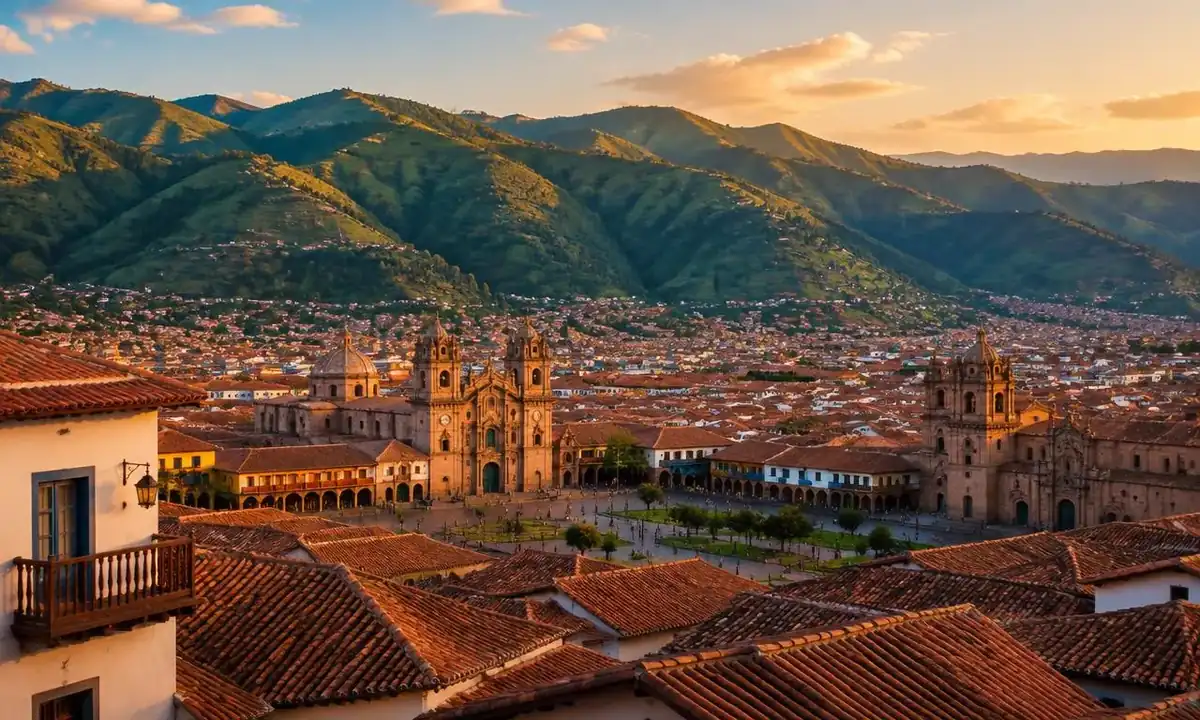
Cusco is the historic capital of the Inca Empire, called Tawantinsuyu, and today the capital of the Cusco Region. Spanish colonists rebuilt the city on top of Inca stone foundations, which is why colonial churches stand on precise Inca walls. Peru's constitution names Cusco the country's historical capital.
Cusco is also the gateway city for the Sacred Valley, the Inca Trail and Machu Picchu, so nearly every Machu Picchu itinerary passes through it. For a full list of sights inside the city, see our guide to things to do in Cusco.
Cusco or Cuzco: Which Spelling Is Correct?
Both spellings refer to the same city. Cuzco is the older Spanish spelling that many English books and maps still use, while Cusco became the official spelling in Peru in the 1970s and 1990s. The Quechua form, Qosqo, is often translated as navel or center, reflecting the city's role in the Inca world.
Airline sites, hotel bookings and Peruvian signs use Cusco, so searching with that spelling usually gives more current results. The airport code is CUZ.
How Did Cusco Become the Inca Capital? A Short History
Cusco grew from a small Killke-era settlement into the Inca capital after Pachacuti expanded the empire in the 1400s. Inca builders laid out the city with fitted stone walls, temples like Qorikancha and the fortress of Sacsayhuamán above it. Spanish forces under Francisco Pizarro took Cusco in 1533 and rebuilt it as a colonial city.
The 1650 and 1950 earthquakes destroyed many colonial buildings, but most Inca walls survived, a detail visitors still notice on streets like Hatun Rumiyoc. Learn about the main Inca temple in our Qorikancha Sun Temple guide and the hilltop complex in our Sacsayhuamán fortress guide.
- Before 1200: Killke culture settles the valley
- 1400s: Pachacuti rebuilds Cusco as the Inca capital
- 1533: Spanish conquest under Francisco Pizarro
- 1650 and 1950: Major earthquakes damage colonial buildings
- 1983: UNESCO lists the City of Cuzco as World Heritage
Where Is Cusco and How Do You Get There From the US?
Cusco is in the southeastern Andes of Peru, about 350 miles southeast of Lima and about 50 miles southeast of Machu Picchu. US travelers usually fly to Lima first, then take a domestic flight of about 80 minutes to Cusco's Alejandro Velasco Astete Airport. A few seasonal routes connect Cusco with other South American cities.
Long-distance buses from Lima take around 20 hours, so most visitors fly. Compare flights, buses and timing in our Lima to Cusco guide, and see where Cusco sits on the regional map in our Cusco map guide.
When Is the Best Time to Visit Cusco?
The best time to visit Cusco for most travelers is the dry season, roughly May through September, when days are sunny and nights are cold. June brings Inti Raymi, the Inca sun festival on June 24, along with the biggest crowds. The wet season from November to March is greener and quieter but rainier.
Daytime temperatures in Cusco are fairly steady all year, often in the 60s °F, while dry-season nights can drop near freezing. Because Cusco trips usually include Machu Picchu, also check our best time to visit Machu Picchu guide.
Go deeper with our detailed guides: Cusco weather by month, day trips from Cusco, llama vs alpaca, Peru currency and quipu.
| Season | Months | What to expect in Cusco |
|---|---|---|
| Dry season | May to September | Sunny days, cold nights, busiest period |
| Shoulder | April, October | Mixed weather, fewer visitors |
| Wet season | November to March | Afternoon rain, green hills, lower demand |
| Festival peak | Late June | Inti Raymi and Corpus Christi events |
How Many Days Should You Spend in Cusco?
Most first-time visitors spend two to four days in Cusco before or after Machu Picchu. Two days allow basic acclimatization and the historic center, three days add the ruins above the city, and four or more days leave room for day trips such as the Sacred Valley, Rainbow Mountain or Humantay Lake.
- Arrive and rest the first afternoon to adjust to the altitude.
- Walk the Plaza de Armas, Cathedral and San Blas on day two.
- Visit Qorikancha and Sacsayhuamán once you feel well.
- Add a Sacred Valley day on your way toward Machu Picchu.
- Save a final Cusco night for any delayed train or flight.
Altitude is the main reason not to rush. Our Cusco altitude guide explains acclimatization, and our how to get to Machu Picchu guide shows how Cusco fits the full route.
Which Cusco Neighborhood Is Best to Stay In?
The Plaza de Armas area is the most convenient place to stay in Cusco for first-time visitors, with sights, restaurants and tour pickups nearby. San Blas offers a quieter, artsy feel but sits uphill. San Pedro and Avenida El Sol are practical and often cheaper, while the Sacred Valley suits travelers who want lower altitude.
| Area | Best for | Trade-off |
|---|---|---|
| Plaza de Armas | First visit, walking everywhere | Busier and pricier |
| San Blas | Cafes, artisan shops, views | Steep streets and stairs |
| San Pedro Market area | Budget stays, local food | Less polished at night |
| Avenida El Sol | Airport access, larger hotels | Less historic character |
| Sacred Valley | Lower altitude, quiet nights | About 1 to 2 hours from Cusco |
Hotel choices near the train route are covered in our Machu Picchu hotels guide.
Is Cusco Safe for American Tourists?
Cusco is generally considered safe for tourists, and most visits pass without trouble. The common risks are pickpocketing in crowded markets and plazas, unofficial taxis, and altitude sickness rather than violent crime. Check the current US State Department advisory for Peru before you travel, since its level can change.
- Use registered taxis or ride apps, especially at night.
- Keep phones and wallets in front pockets in San Pedro Market.
- Carry a passport copy and leave the original in the hotel safe.
- Use ATMs inside banks or malls instead of street machines.
- Watch for protests or road strikes that can affect trains.
- Drink bottled or filtered water rather than tap water.
What Should You Know About Money, Time and Daily Practicalities in Cusco?
Cusco uses the Peruvian sol, though many hotels and tour operators quote in US dollars. Cards work in most hotels and larger restaurants, but markets, small shops and taxis expect cash. Cusco runs on UTC-5 with no daylight saving, matching US Eastern Standard Time in winter and one hour behind New York in summer.
- Bring clean, untorn US bills, since damaged notes are often refused.
- Exchange money at official exchange houses, not on the street.
- Peru uses 220-volt power with A and C plugs; US devices need a voltage check.
- Tipping around 10 percent is common in sit-down restaurants.
- Spanish is the main language, with Quechua widely spoken.
Budget figures for the whole trip are in our Machu Picchu cost guide, and what to bring is in our packing list guide.
What Food Is Cusco Known For?
Cusco is known for Andean dishes built on potatoes, corn, quinoa and highland meats. Travelers commonly try lomo saltado, rocoto relleno, alpaca steak, chiriuchu at Corpus Christi, and cuy, the roasted guinea pig served on special occasions. Coca tea is everywhere and many visitors drink it to help with the altitude.
San Pedro Market is the easiest place to sample fruit juices and simple local plates. Eat lightly during your first day in Cusco, since heavy meals and alcohol can make altitude symptoms worse.
How Does Cusco Connect to Machu Picchu and the Sacred Valley?
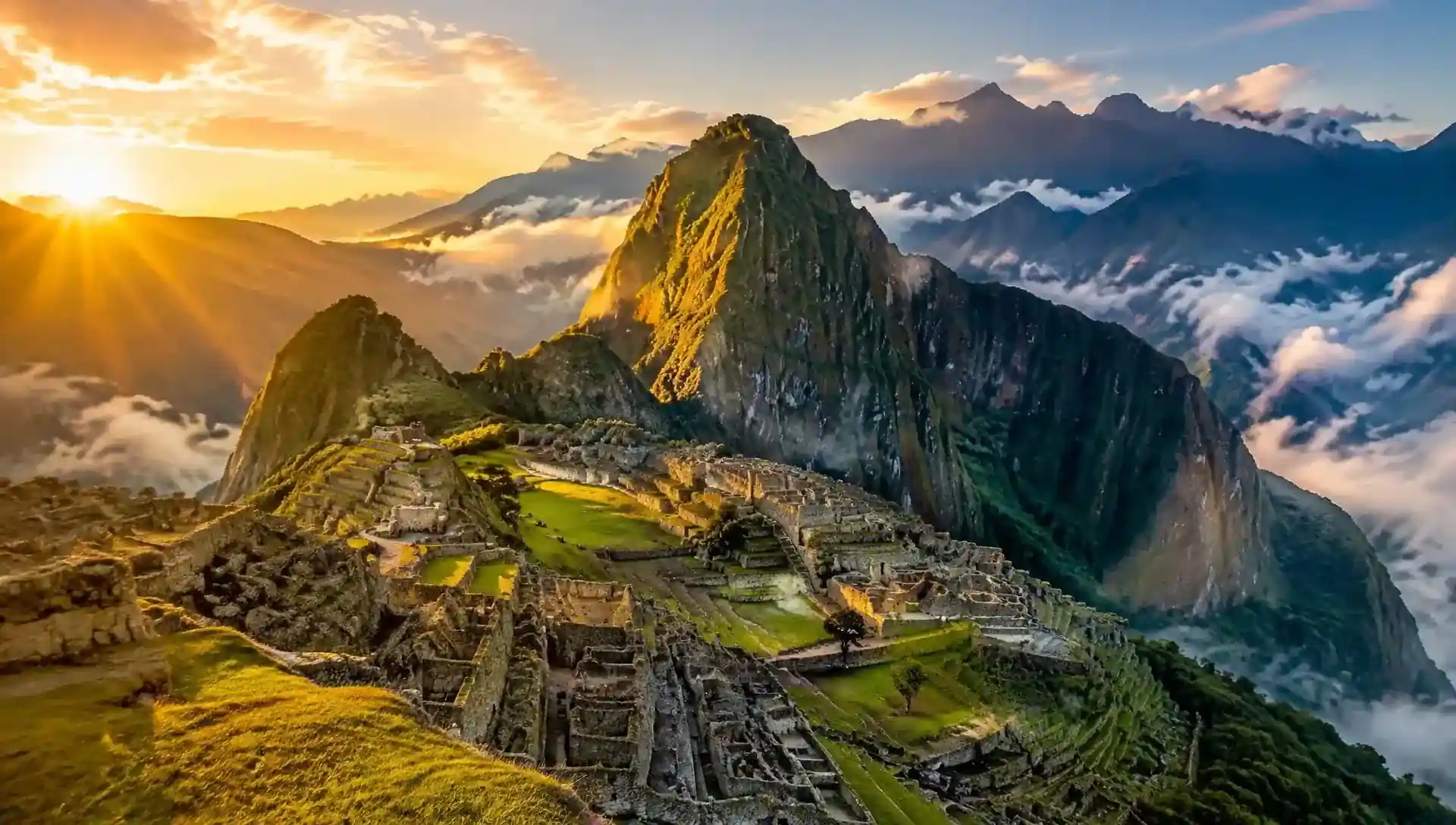
Cusco connects to Machu Picchu by train from Poroy or San Pedro stations, or by road to Ollantaytambo and then train to Aguas Calientes. The trip takes about 3.5 to 4 hours each way, followed by a 25-minute bus up to the ruins. Many travelers visit the Sacred Valley on the way.
Train classes and stations are explained in our Machu Picchu train guide, and the riverside town on the route is covered in our Ollantaytambo town and ruins guide. If you would rather have the logistics handled, see our Machu Picchu day trip from Cusco.
Want to know what to order? Our Cusco food guide explains the classic dishes, and our Peru safety guide covers the current travel advisory.
For a fully arranged version, take a look at our Ausangate trek.
Frequently asked questions
What is the time in Cusco, Peru right now compared to the US?
Cusco, Peru uses Peru Time, UTC-5, all year with no daylight saving. During US winter Cusco matches New York and Miami. During US daylight saving time, from March to November, Cusco is one hour behind the East Coast and matches US Central Daylight Time.
Do I need a visa to visit Cusco as a US citizen?
US citizens do not need a visa for tourist visits to Peru, including Cusco, and usually receive up to 90 or 183 days on arrival at the officer's discretion. Your passport should be valid for at least six months. Confirm current rules with the US State Department before you fly.
Is Cusco worth visiting, or should I go straight to Machu Picchu?
Cusco is worth at least two days even if Machu Picchu is the main goal. The city helps you acclimatize at altitude, and its Inca walls, Qorikancha and Sacsayhuamán explain the culture that built Machu Picchu. Going straight to Machu Picchu is possible but leaves little buffer for delays.
What does the Cusco flag look like?
The Cusco city flag shows seven horizontal rainbow stripes, often confused with the LGBTQ pride flag. The city adopted it in the 1970s to represent the Tawantinsuyu, although historians debate whether the Incas used a rainbow banner. Peru's red and white national flag also flies throughout Cusco.
Can you drink the tap water in Cusco?
Tap water in Cusco is not recommended for drinking by most travel health sources, even though it is treated. Visitors usually drink bottled or filtered water and use it for brushing teeth if they have sensitive stomachs. Many hotels offer refill stations, which cut plastic waste.
What is the Cusco Tourist Ticket (Boleto Turístico)?
The Boleto Turístico del Cusco is a combined pass that covers many sites in and around Cusco, including Sacsayhuamán, Pisac, Ollantaytambo and Moray, plus some city museums. It does not include Qorikancha, the Cathedral or Machu Picchu. Check the official price before buying, since it changes over time.
Planning your Cusco days?
Tell us your dates and we will suggest how many nights to spend in Cusco and how to reach Machu Picchu. Prefer to read first? Get the free Machu Picchu trip guide.
Sources checked October 3, 2026
Recommended tours
Machu Picchu · 1 day
Machu Picchu Day Trip from Cusco
Train, bus, entry ticket and guided tour of Machu Picchu in one easy day from Cusco.
from $379
View tour →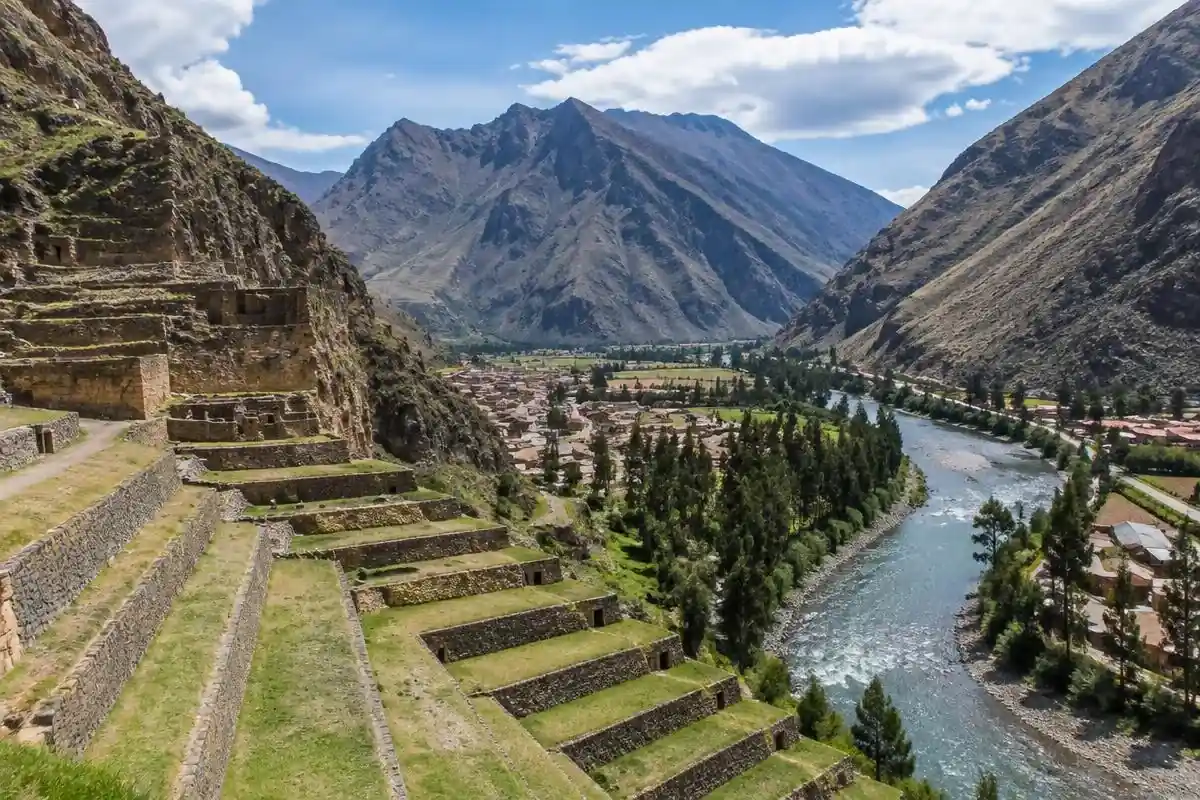
Day Tours · 1 day
Sacred Valley Full Day Tour
Chinchero, Moray, Maras salt mines, Ollantaytambo and Pisac in one full day from Cusco, with buffet lunch.
from $49
View tour →Keep planning
- Aguas Calientes Hotels: Where to Stay in Machu Picchu Town and How to Choose
- Aguas Calientes Hot Springs: A Practical Guide to the Thermal Baths Below Machu Picchu
- Ollantaytambo: The Inca Fortress Town of the Sacred Valley Explained
- Sacsayhuamán: The Megalithic Inca Fortress Above Cusco Explained
- Qorikancha: The Golden Inca Temple of the Sun in Cusco
- Maras Salt Mines: How the Salineras de Maras Work and How to Visit
- Moray Ruins: The Inca Circular Terraces of the Sacred Valley Explained
- Pisac Ruins: The Inca Citadel and Market Town of the Sacred Valley