
Salkantay Trek Difficulty: How Hard It Is, Day by Day, and How to Prepare
By the Goo Machu Picchu team · Checked against official sources (editorial policy) · Updated October 2026 · 5 min read
The Salkantay trek is challenging. You walk about 45 miles (72 km) over 4 to 5 days and cross the Salkantay Pass at roughly 15,090 feet (4,600 m), well above Cusco. The pass day is the hardest, with a long climb in thin air. Fit beginners who acclimatize and train for a few weeks usually finish.
This guide breaks the difficulty down so you can judge it against your own fitness.
- Difficulty
- Challenging
- Distance
- About 45 mi (72 km), varies by route
- Highest point
- Salkantay Pass, about 15,090 ft (4,600 m)
- Hardest day
- Pass day, 8 to 10 hours
- Permit
- Not required
Why Is the Salkantay Trek Considered Hard?
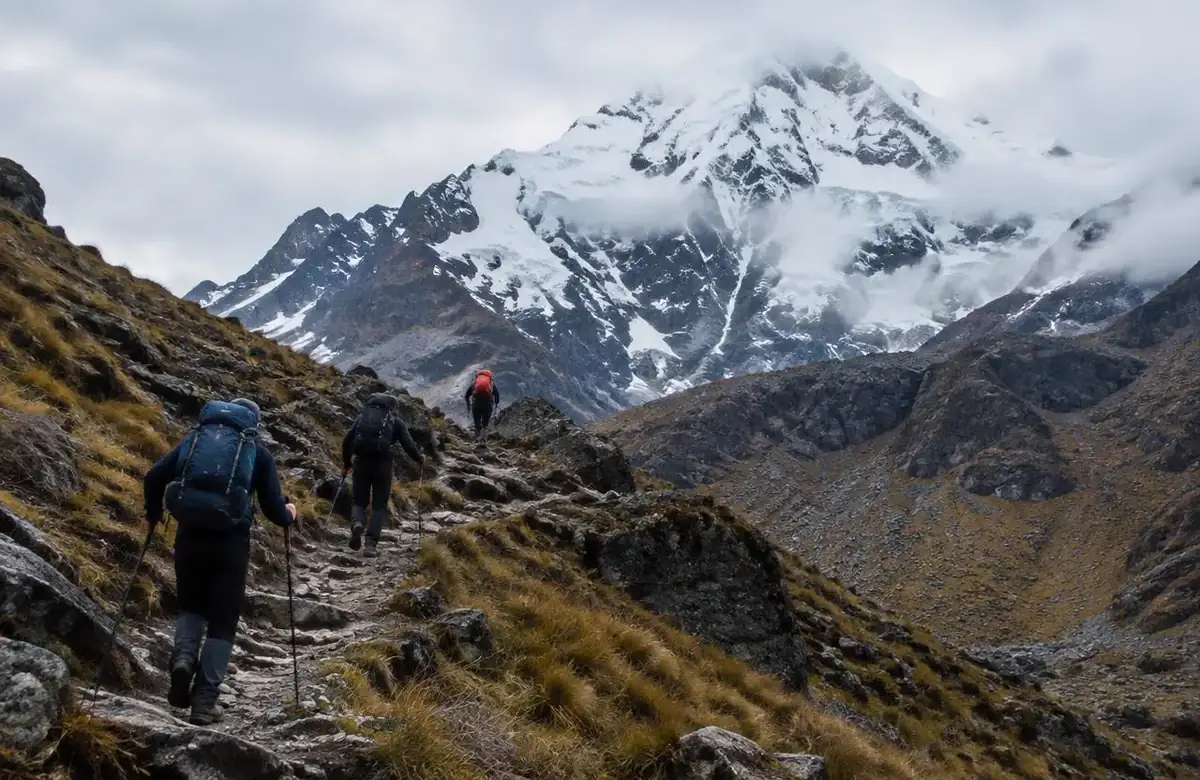
The Salkantay trek is considered hard for three reasons: altitude, distance and big changes in climate. The pass is about 3,900 feet higher than Cusco, daily walks run 6 to 10 hours, and you drop from freezing glacier valleys to humid cloud forest in a day. Your body works harder in thin, cold air.
The trail itself is not technical. There is no climbing or rope work, just steep dirt and rocky paths. For the full route and what is included, see our Salkantay trek 5 days page.
How Hard Is Each Day of the Salkantay Trek?
Each day of the Salkantay trek has a different difficulty. Day 1 is a moderate walk with an optional steep climb to Humantay Lake. Day 2 is the hardest, crossing the pass and descending far. Days 3 and 4 are easier, mostly downhill or flat in warmer valleys, ending near Aguas Calientes.
| Day | Main effort | Hiking time | Difficulty |
|---|---|---|---|
| 1: Soraypampa and Humantay Lake | Steep side climb to the lake | 5 to 7 hours | Moderate to hard |
| 2: Salkantay Pass | Long climb to about 15,090 ft, long descent | 8 to 10 hours | Hardest |
| 3: Cloud forest valley | Gentle downhill, humid trail | 5 to 7 hours | Moderate |
| 4: Llactapata or Hidroelectrica | Climb over ridge or flat rail walk | 5 to 7 hours | Moderate |
| 5: Machu Picchu | Guided visit, stone steps | 2 to 4 hours | Easy to moderate |
Day plans differ by operator. Our Humantay Lake day hike page explains the lake climb on its own.
The trek ends in the river town described in our Aguas Calientes travel guide.
How Does Altitude Affect the Salkantay Trek?
Altitude affects the Salkantay trek more than any other factor. At about 15,090 feet, each breath carries roughly 40 percent less oxygen than at sea level, so you walk slower and tire faster. Headaches, nausea and poor sleep at the first camp are common if you start the trek without acclimatizing.
Spend at least two to three nights in Cusco or the Sacred Valley before you start, and walk slowly on the pass. Descend if symptoms get worse. Our Cusco altitude guide explains symptoms and medication options to discuss with your doctor.
Who Can Do the Salkantay Trek, and Who Should Not?
The Salkantay trek suits healthy adults who can walk 6 to 8 hours on hills, including fit beginners who prepare. It is not a good choice for people with heart or lung conditions, uncontrolled blood pressure, serious knee problems or anyone told by a doctor to avoid high altitude. Children under about 12 usually struggle.
- Good fit: regular hikers, runners, gym-goers who do cardio
- Possible with training: active beginners who start weeks ahead
- Think twice: weak knees, since descents are long
- Avoid: heart or lung disease without medical clearance
How to Train for the Salkantay Trek
Training for the Salkantay trek should start at least six to eight weeks before you go. Focus on long walks with elevation gain, leg strength for downhills and steady cardio. You cannot train for altitude at home near sea level, so fitness simply gives you more reserve when the air gets thin.
- Walk or hike 3 to 4 times a week, building to 5 to 6 hours
- Add stairs or steep hills carrying a 10 to 15 lb daypack
- Do squats and lunges twice a week for the long descents
- Include 30 to 45 minutes of cardio on other days
- Break in your hiking boots on at least three long walks
- Practice with trekking poles if you plan to use them
Is Salkantay Harder Than the Inca Trail?
Salkantay is harder than the classic Inca Trail. It is longer, and its pass sits about 1,300 feet above Dead Woman's Pass. The Inca Trail has more stone steps, which some find harder on the knees, but Salkantay asks for more stamina overall. Neither trek needs climbing skills.
See our side-by-side Inca Trail vs Salkantay comparison and the Inca Trail difficulty guide for the full picture.
When Is the Salkantay Trek Easiest?
The Salkantay trek is easiest in the dry season, from May to September, when trails are firm and skies are clearer. Nights near the pass drop below freezing then, so warm gear matters. From November to March rain turns paths muddy and can bring snow on the pass, which makes every day harder.
Unlike the Inca Trail, Salkantay stays open in February, but conditions are at their wettest. Check our Cusco weather guide for monthly temperatures and rain.
Warm layers matter in every season; see our Machu Picchu packing list for a full gear checklist.
Before you commit, check the Machu Picchu weather by season, read our Cusco altitude and acclimatization guide, and compare the route with the Inca Trail vs Salkantay comparison.
Prefer to have it all arranged? Our Ausangate trek covers transport, tickets and a licensed guide.
For a fully arranged version, take a look at our Inca Jungle trek.
Frequently asked questions
Can a beginner do the Salkantay trek?
A beginner can do the Salkantay trek if they are healthy, train for six to eight weeks and acclimatize in Cusco first. Many first-time trekkers finish it. The pass day is the real test, so walk slowly and use the horse option if your operator offers one for emergencies.
Can you rent a horse on the Salkantay trek?
Many operators can arrange a horse for part of the Salkantay trek, especially on the climb to the pass. It usually costs extra and should be requested in advance. An emergency horse is often included for safety, so ask your operator what is covered before you book.
How cold does it get on the Salkantay trek?
Nights at the first camp near the pass often fall below freezing, especially from June to August. The pass can be windy and snowy. By day three you reach warm cloud forest, so pack layers: a warm sleeping bag, fleece, down jacket, hat and gloves plus light clothes for lower days.
Is the Salkantay trek dangerous?
The Salkantay trek is not dangerous for prepared hikers with a licensed operator. The main risks are altitude sickness, slips on wet trails and cold at night. Guides carry first aid and oxygen. Rainy-season landslides can close sections, so operators may change the route for safety.
How fit do you need to be for Salkantay?
You need enough fitness to walk 6 to 8 hours on hilly terrain for several days in a row. If you can hike 10 miles with a light pack and some climbing at home without exhaustion, you are in a good place. Altitude still slows everyone down.
What is the hardest part of the Salkantay trek?
The hardest part of the Salkantay trek is the climb to the Salkantay Pass on day two, about 15,090 feet. It involves steep switchbacks in thin air, often in cold wind, followed by a long descent that tires the knees. Most hikers reach the top within three to five hours.
Not sure Salkantay fits your fitness?
Alongside this Salkantay Trek Difficulty guide, send your dates and questions and a local planner will reply with honest advice. Prefer to read first? Get the free Machu Picchu trip guide.
Sources checked October 3, 2026
Recommended tours
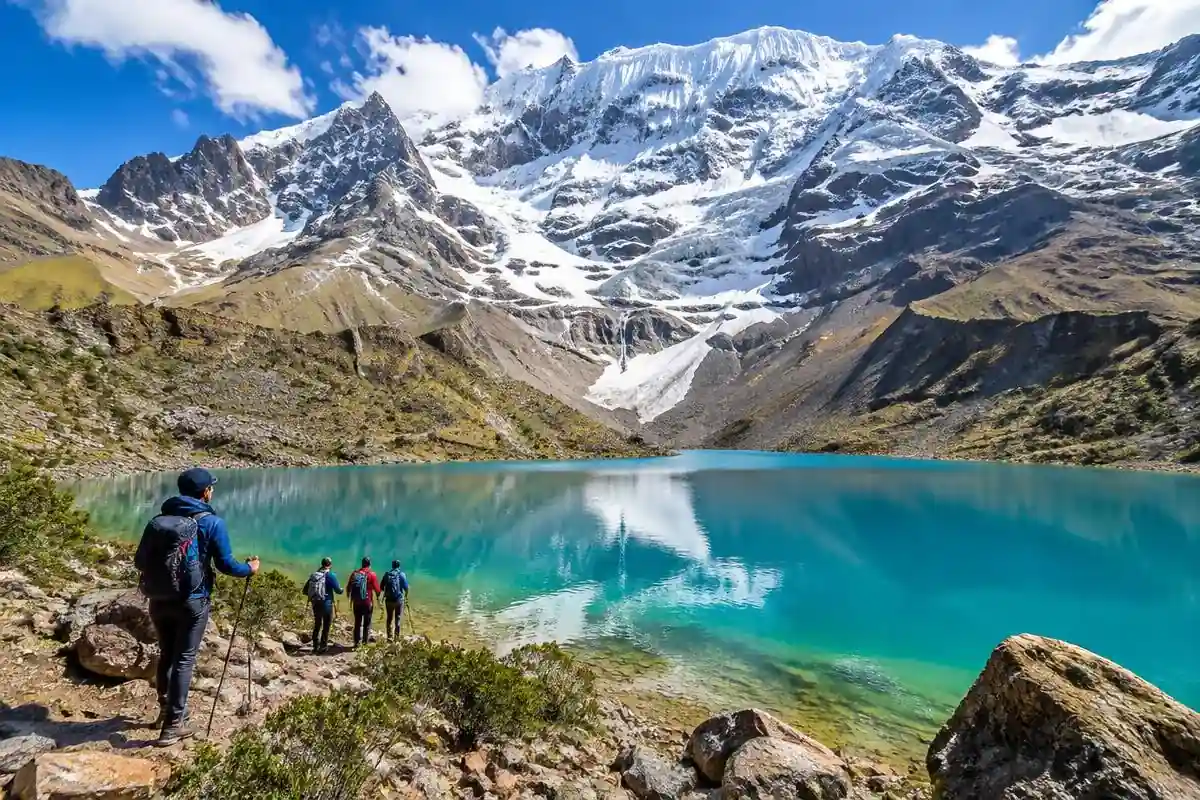
Treks · 5 days
Salkantay Trek to Machu Picchu, 5 Days
The best alternative to the Inca Trail: Humantay Lake, a 4,630 m pass and cloud forest.
from $490
View tour →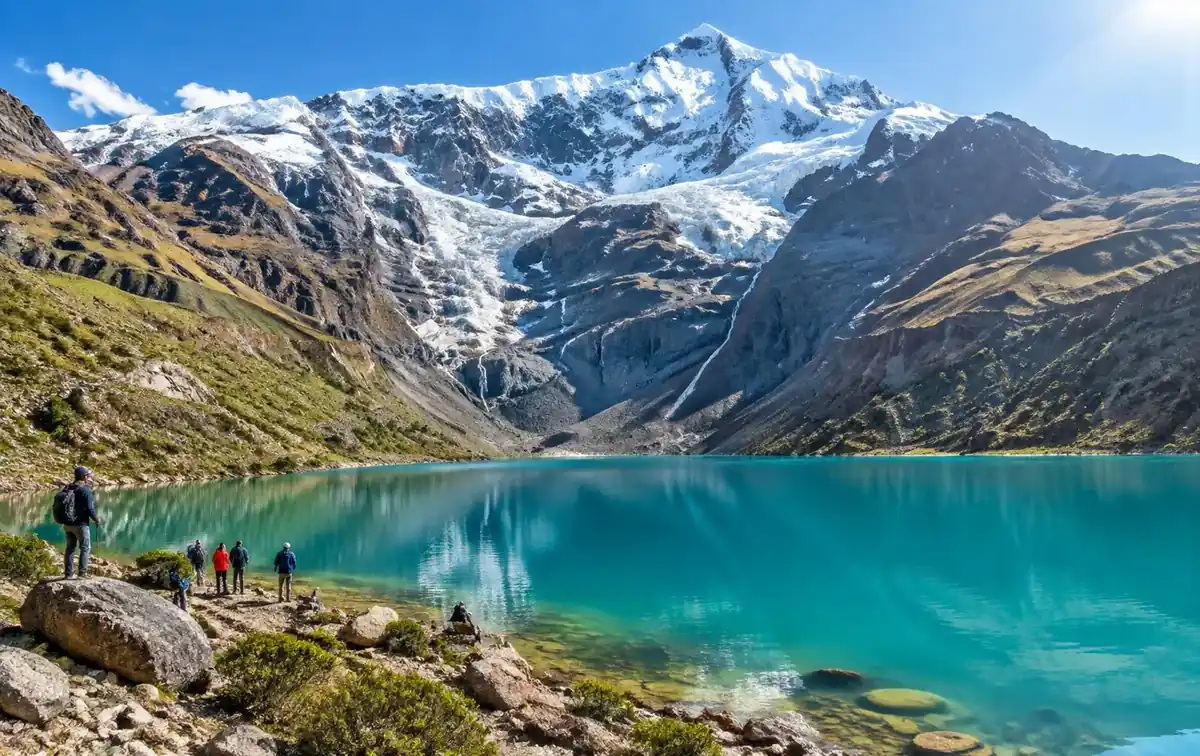
Day Tours · 1 day
Humantay Lake Tour from Cusco
A turquoise glacier lake at 4,200 m below Humantay peak, a full day hike from Cusco with breakfast and lunch.
from $49
View tour →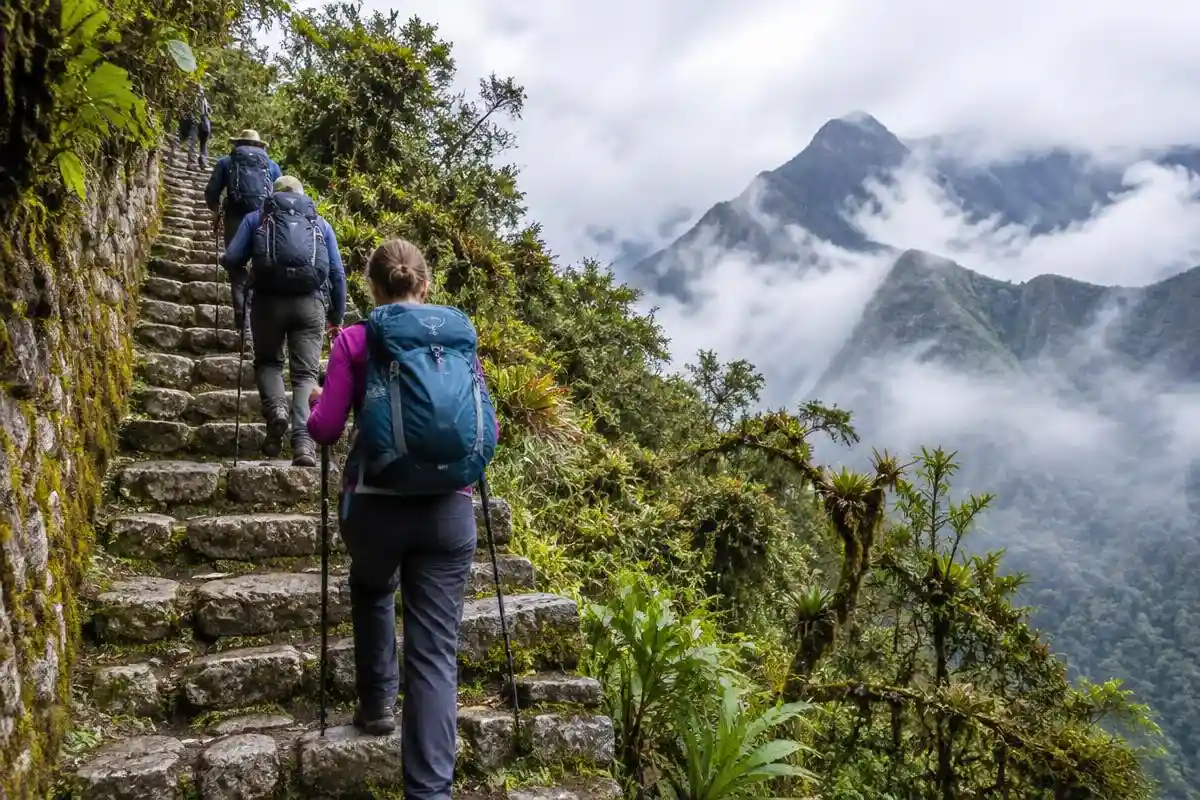
Inca Trail · 4 days
Classic Inca Trail to Machu Picchu, 4 Days
The world-famous 43 km trek on original Inca stone paths, ending at the Sun Gate.
from $827
View tour →Keep planning
- Machu Picchu Tickets 2026: Prices, Ticket Types and How to Buy
- Best Time to Visit Machu Picchu: Best Months, Seasons and Time of Day
- How to Get to Machu Picchu: Every Route From Cusco Compared
- Machu Picchu Bus: How the Shuttle From Aguas Calientes Works
- Machu Picchu Hotels: Best Places to Stay Near the Citadel by Area and Budget
- Machu Picchu Map: Where It Is in Peru and How the Ruins Are Laid Out
- Machu Picchu Cost Breakdown: How Much It Costs to Go in 2026
- Machu Picchu Rules and Regulations: The Complete 2026 Visitor Code