
Machu Picchu Elevation: How High It Is and How the Altitude Feels
By the Goo Machu Picchu team · Checked against official sources (editorial policy) · Updated October 2026 · 9 min read
Machu Picchu sits at an elevation of 2,430 m (7,970 ft) above sea level, on a ridge above the Urubamba River in Peru. That is about 970 m (3,180 ft) lower than Cusco, where most travelers sleep first. Mild altitude symptoms are common in Cusco, while most visitors feel fine at the Machu Picchu citadel itself.
This guide gives the exact height in feet and meters, the elevation of every stop on the way, how it compares to places in the United States, and how to avoid altitude sickness on the trip.
- Machu Picchu citadel
- 2,430 m (7,970 ft)
- Cusco
- 3,400 m (11,150 ft)
- Aguas Calientes
- About 2,040 m (6,690 ft)
- Highest viewpoint
- Machu Picchu Mountain, 3,082 m
- Similar US height
- Aspen, Colorado (about 7,900 ft)
- Altitude sickness risk
- Low at the citadel, higher in Cusco
How High Is Machu Picchu? Elevation in Feet and Meters
The Machu Picchu elevation is 2,430 m, or 7,970 ft, above sea level, measured at the main plaza of the Inca citadel. The ruins spread over terraces from about 2,400 m to 2,500 m. Some websites round the height to 2,400 m or 8,000 ft, but 2,430 m is the figure used by most references.
How Tall Is Machu Picchu Above the River?
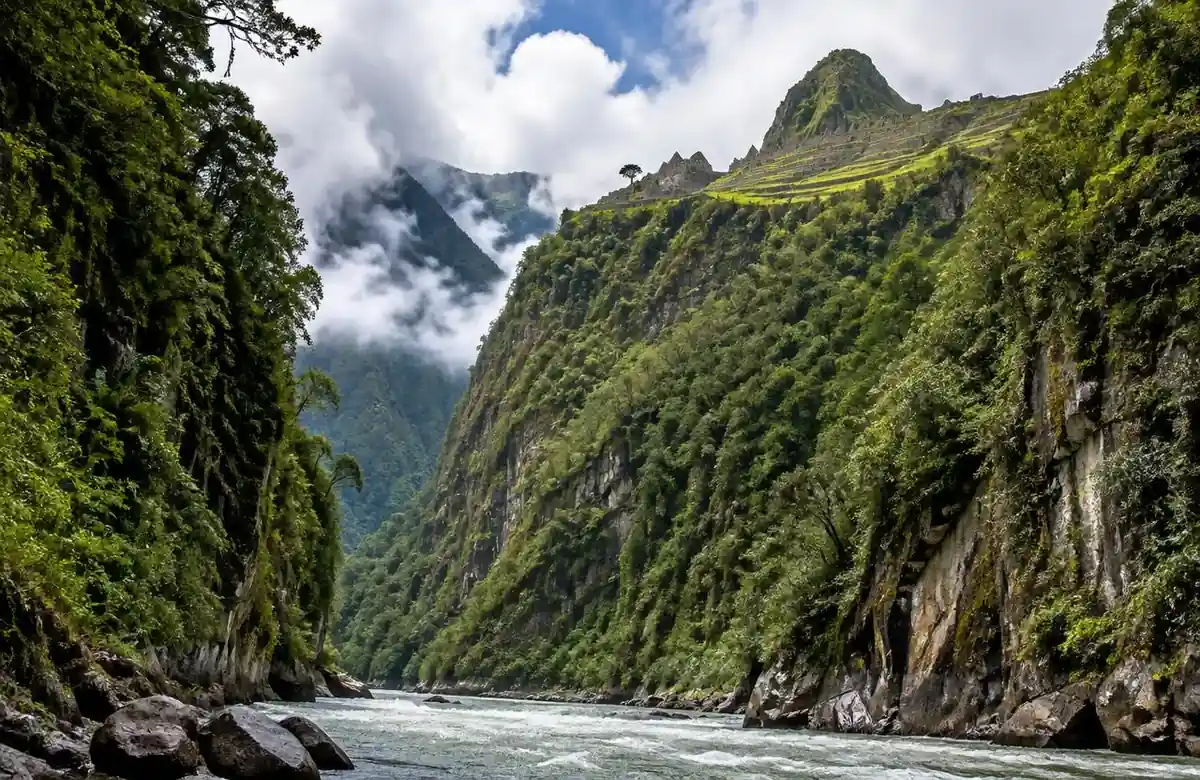
Machu Picchu stands about 400 to 450 m (1,300 to 1,500 ft) above the Urubamba River, which loops around the base of the ridge. That vertical drop is what makes the site look so dramatic in photos. The bus road from Aguas Calientes climbs this height in 13 switchbacks in about 25 minutes.
Is Machu Picchu Considered High Altitude?
Medically, Machu Picchu counts as high altitude, a range doctors usually place between about 1,500 m and 3,500 m (4,900 to 11,500 ft). At 2,430 m it sits in the lower part of that range, where serious altitude illness is uncommon. Cusco, at 3,400 m, sits near the top of the same band.
Elevation of Every Stop: Lima to Machu Picchu
A typical trip climbs from Lima at sea level to Cusco at 3,400 m, then drops through the Sacred Valley to Aguas Calientes at about 2,040 m before rising to Machu Picchu at 2,430 m. That means the highest point of a standard visit is usually Cusco, not the citadel.
| Stop | Meters | Feet |
|---|---|---|
| Lima | About 150 m | About 500 ft |
| Cusco | 3,400 m | 11,150 ft |
| Pisac (Sacred Valley) | About 2,970 m | About 9,750 ft |
| Urubamba (Sacred Valley) | About 2,870 m | About 9,420 ft |
| Ollantaytambo | About 2,790 m | About 9,150 ft |
| Aguas Calientes | About 2,040 m | About 6,690 ft |
| Machu Picchu citadel | 2,430 m | 7,970 ft |
| Huayna Picchu summit | 2,693 m | 8,835 ft |
| Machu Picchu Mountain summit | 3,082 m | 10,111 ft |
Train times and stations for this route are in the Machu Picchu train guide, and the town at the bottom is covered in the Aguas Calientes guide. Flights and buses from the coast are in Lima to Machu Picchu.
Is Machu Picchu Higher Than Cusco?
No. Machu Picchu is lower than Cusco by about 970 m (3,180 ft). Cusco sits at 3,400 m (11,150 ft), while the citadel is at 2,430 m (7,970 ft). Travelers who arrive in Cusco from Lima usually feel the altitude there first, and often notice that breathing is easier at Machu Picchu.
This is why many itineraries sleep the first nights in the lower Sacred Valley, then visit Cusco after the body has started to adjust. The route between them is in how to get to Machu Picchu.
A full look at the city itself is in our Cusco altitude guide.
Machu Picchu Height Compared to Places in the United States
Machu Picchu, at 7,970 ft, sits at almost the same height as Aspen, Colorado, and about 2,700 ft higher than Denver. Cusco, at 11,150 ft, is higher than any town in Colorado's ski country and close to the height of the Leadville area. Visitors fine in Aspen usually feel fine at the citadel.
Related reading: our Machu Picchu with kids guide.
| Place | Elevation | Compared with Machu Picchu |
|---|---|---|
| Denver, Colorado | 5,280 ft | About 2,700 ft lower |
| Santa Fe, New Mexico | About 7,200 ft | Slightly lower |
| Aspen, Colorado | About 7,900 ft | About the same |
| Machu Picchu | 7,970 ft | - |
| Breckenridge, Colorado | About 9,600 ft | About 1,600 ft higher |
| Cusco, Peru | 11,150 ft | About 3,180 ft higher |
| Pikes Peak summit | 14,115 ft | About 6,100 ft higher |
Why Did the Incas Build Machu Picchu at This Altitude?
The Incas built Machu Picchu at about 2,430 m because the ridge offered a warmer climate than Cusco, natural springs, a defensible position above the river and sacred views of surrounding peaks. The lower height suited crops such as maize and coca, which grow poorly in Cusco's colder air.
The site sits where the high Andes meet the cloud forest, so its builders could farm terraces, draw water from springs on Machu Picchu Mountain and stay close to the mountains they worshipped. The same height explains the mild, humid climate described in Machu Picchu weather by month. Researchers link the estate to the emperor Pachacuti in the 15th century.
Can You Get Altitude Sickness at Machu Picchu?
Altitude sickness at Machu Picchu is possible but uncommon, because the citadel is below the 2,500 m level where symptoms usually start. Most cases on a Machu Picchu trip begin in Cusco, at 3,400 m, during the first 24 to 48 hours. Symptoms normally ease once travelers reach the lower Sacred Valley or citadel.
Altitude Sickness Symptoms
Altitude sickness, called soroche in Peru, usually feels like a hangover: headache, tiredness, mild nausea, poor sleep and shortness of breath on stairs. Symptoms appear 6 to 24 hours after arriving high and fade within a day or two for most people. Confusion or breathlessness at rest needs urgent medical help.
- Common: headache, fatigue and loss of appetite
- Also common: poor sleep and shortness of breath on stairs
- Warning signs: vomiting that will not stop, confusion or trouble walking straight
- Emergency: breathlessness while resting; go down and see a doctor right away
Who Is at Higher Risk?
Altitude sickness does not depend on fitness, so athletes get it too. Risk is higher for people who flew straight to Cusco, had altitude sickness before, or have heart, lung or blood pressure conditions. Pregnant travelers, young children and older adults should ask a doctor before booking a trip that starts in Cusco.
How to Acclimatize Before Visiting Machu Picchu
The easiest way to acclimatize is to fly into Cusco and go straight down to the Sacred Valley, at about 2,800 m, for one or two nights, then visit Machu Picchu, and see Cusco last. Walk slowly the first day, drink plenty of water, eat light meals and avoid alcohol for the first night.
A Simple 3-Day Acclimatization Plan
A 3-day plan that eases the body upward: day 1, land in Cusco and transfer to the Sacred Valley; day 2, gentle Sacred Valley sightseeing and the train to Aguas Calientes; day 3, Machu Picchu in the morning, then return to Cusco. Higher treks such as Rainbow Mountain fit best after this.
| Day | Where you sleep | Elevation |
|---|---|---|
| Day 1: arrive Cusco, transfer | Sacred Valley | About 2,800 m (9,200 ft) |
| Day 2: valley sites, train | Aguas Calientes | About 2,040 m (6,690 ft) |
| Day 3: Machu Picchu, return | Cusco | 3,400 m (11,150 ft) |
A guided day in the valley, like our Sacred Valley tour, is a gentle first day at moderate height.
Can You Visit Machu Picchu the Day You Land in Cusco?
Visiting Machu Picchu the same day you land in Cusco is rarely possible, because morning flights arrive after the early trains leave and the trip takes 4 to 5 hours. It is also tiring at altitude. Most travelers land, sleep lower in the Sacred Valley and visit Machu Picchu the next day.
Altitude Sickness Remedies in Peru: Coca Tea, Diamox and Oxygen
The most common altitude remedies in Peru are rest, water, coca tea and, for some travelers, acetazolamide (Diamox) prescribed by a doctor before the trip. Many Cusco hotels offer bottled oxygen for short relief. None replaces going lower if symptoms get worse, which remains the only reliable treatment.
Go deeper with our is Peru safe guide.
Does Coca Tea Help With Altitude?
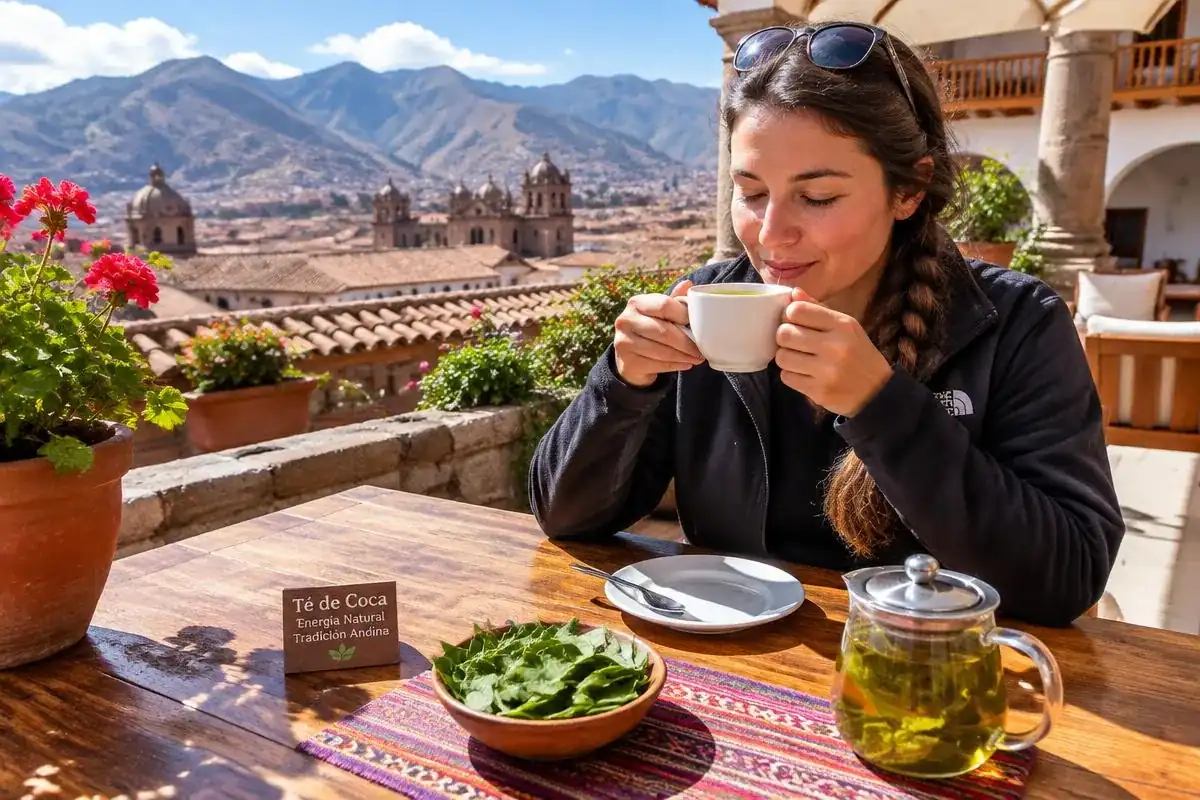
Coca tea, mate de coca, is a mild herbal tea made from coca leaves and offered in most Cusco hotels. Many travelers say it eases headaches and fatigue, though scientific evidence is limited. It is legal in Peru but can show up on drug tests, and carrying coca leaves into the United States is not allowed.
Diamox and Other Altitude Pills
Acetazolamide, sold as Diamox, is the medicine doctors most often prescribe to prevent altitude sickness, usually starting a day before reaching Cusco. It needs a prescription in the United States and can cause tingling or frequent urination. Pharmacies in Cusco also sell local altitude pills, but ask a doctor before taking any.
Elevation on the Treks: Inca Trail, Salkantay and the Peaks
Treks to Machu Picchu climb far higher than the citadel. The Inca Trail tops out at Dead Woman's Pass, 4,215 m (13,830 ft), and the Salkantay Trek crosses a pass at about 4,600 m (15,090 ft). Hikers need two or three nights in Cusco or the Sacred Valley before starting either trek.
Related reading: our Salkantay trek difficulty guide.
| Hike | Highest point | In feet |
|---|---|---|
| Huayna Picchu | 2,693 m | 8,835 ft |
| Machu Picchu Mountain | 3,082 m | 10,111 ft |
| Classic Inca Trail, Dead Woman's Pass | 4,215 m | 13,830 ft |
| Salkantay Pass | About 4,600 m | About 15,090 ft |
Details on the steep peak behind the citadel are in the Huayna Picchu hike guide, and permits for the trail are explained in the Inca Trail permits guide.
What to Do If You Get Altitude Sickness on Your Trip
If altitude sickness hits, stop, rest and drink water, and avoid climbing higher that day. Mild symptoms usually pass within 24 hours. If they get worse, travel down, for example from Cusco to the Sacred Valley, and see a doctor. Cusco has private clinics, and Aguas Calientes has a public health center.
Prefer to have it all arranged? Our Machu Picchu tours for seniors covers transport, tickets and a licensed guide.
- Rest and drink water; skip alcohol and heavy meals.
- Tell your hotel or guide; most can provide oxygen and call a doctor.
- Do not go higher until symptoms ease.
- If symptoms get worse, go lower and get medical care.
- Check that your travel insurance covers medical evacuation.
Frequently asked questions
What is the elevation of Machu Picchu in feet?
Machu Picchu is 7,970 feet above sea level at the main plaza of the citadel. The highest terraces reach about 8,200 feet. Some sources round it to 8,000 feet. In meters, the standard figure is 2,430 m, roughly 970 m lower than the city of Cusco.
Is Machu Picchu higher than Denver?
Yes. Machu Picchu, at 7,970 feet, is about 2,700 feet higher than Denver, the Mile High City, at 5,280 feet. Travelers who live in Denver or the Rockies often adjust faster in Peru, although Cusco, at 11,150 feet, can still cause mild symptoms on the first day.
How high is Machu Picchu compared with Lima?
Machu Picchu is about 2,280 m (7,470 ft) higher than Lima, which sits near sea level on the Pacific coast. There is no road or train straight from Lima, so travelers fly to Cusco first, which makes the climb in altitude sudden. The full route is in the Lima to Machu Picchu guide.
Does the altitude make the Machu Picchu walk hard?
The walk through the citadel is mostly moderate: stone stairs and terraces over 2 to 3 hours. At 2,430 m, most people feel only slightly more out of breath than at home. Taking stairs slowly and carrying water is enough. The steep side hikes, such as Huayna Picchu, feel harder.
Is altitude sickness worse in Cusco or Machu Picchu?
Altitude sickness is usually worse in Cusco, at 3,400 m, than at Machu Picchu, at 2,430 m. Many travelers get a headache or poor sleep the first night in Cusco, then feel better at the citadel. That difference is why starting the trip in the lower Sacred Valley helps.
Can children handle the altitude at Machu Picchu?
Most children handle the Machu Picchu altitude well, but young kids cannot always describe symptoms. Watch for unusual crankiness, poor appetite or sleepiness, especially in Cusco. Parents should ask a pediatrician before the trip and plan the first nights in the lower Sacred Valley.
Should I drink alcohol at altitude in Peru?
Doctors advise avoiding alcohol for the first 24 to 48 hours in Cusco, because it worsens dehydration and poor sleep, both common at altitude. After the body adjusts, a pisco sour in moderation is usually fine. At Machu Picchu's lower height, alcohol affects most people less.
Do I need oxygen at Machu Picchu?
Oxygen is not needed at Machu Picchu for healthy travelers, since the citadel is below the height where serious symptoms usually begin. Bottled oxygen is mainly used in Cusco hotels for short relief on the first night. Anyone needing oxygen regularly should ask a doctor about the trip.
Does the weather change with Machu Picchu's elevation?
Yes. Because Machu Picchu is lower and closer to the cloud forest, it is warmer and more humid than Cusco. Days are often 18 to 22 C (64 to 72 F), while Cusco mornings can be near freezing in winter. Monthly details are in the Machu Picchu weather guide.
Which is higher, Huayna Picchu or Machu Picchu Mountain?
Machu Picchu Mountain is higher, at 3,082 m (10,111 ft), compared with Huayna Picchu at 2,693 m (8,835 ft). Machu Picchu Mountain is a longer climb on wider steps. Huayna Picchu is shorter but steeper and more exposed, with a closer view of the citadel.
Want an itinerary that handles the altitude for you?
Send us your dates with the form and we will suggest an order that starts low in the Sacred Valley before Cusco, such as our Machu Picchu vacation packages. You can also ask for our free Machu Picchu planning guide.
Sources checked October 3, 2026
Recommended tours
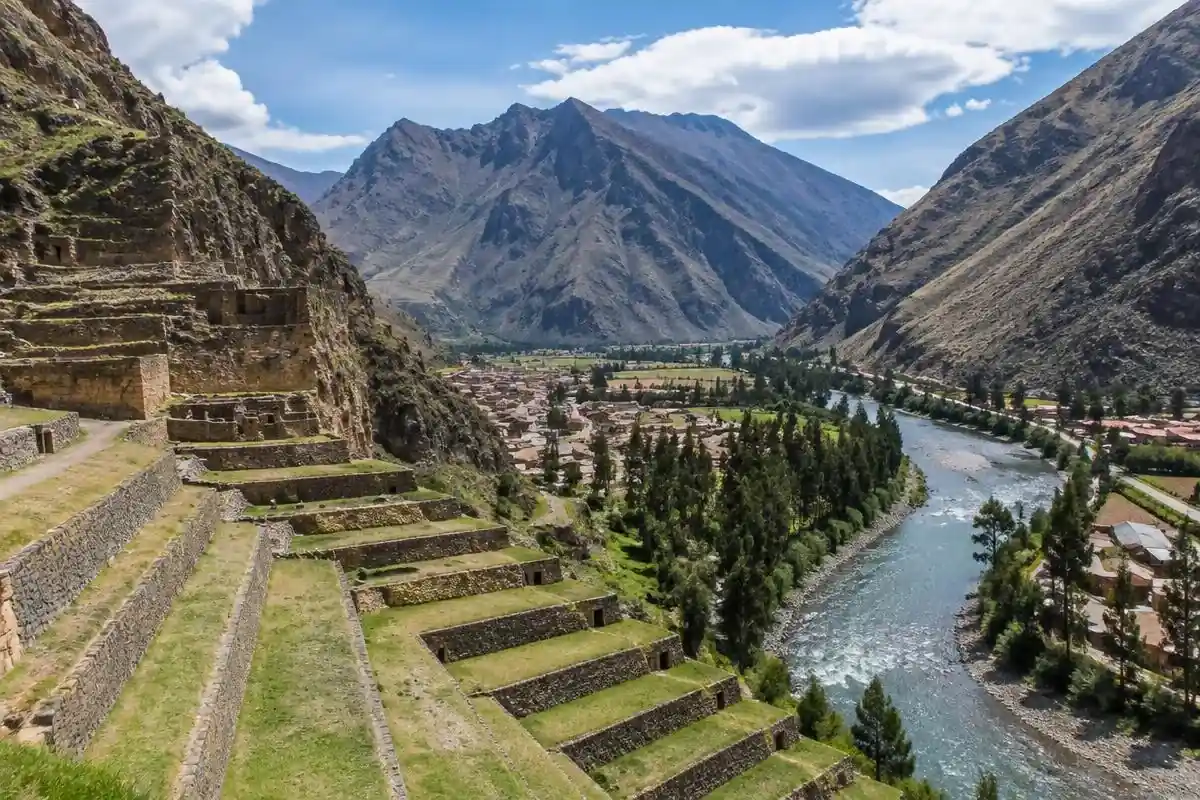
Day Tours · 1 day
Sacred Valley Full Day Tour
Chinchero, Moray, Maras salt mines, Ollantaytambo and Pisac in one full day from Cusco, with buffet lunch.
from $49
View tour →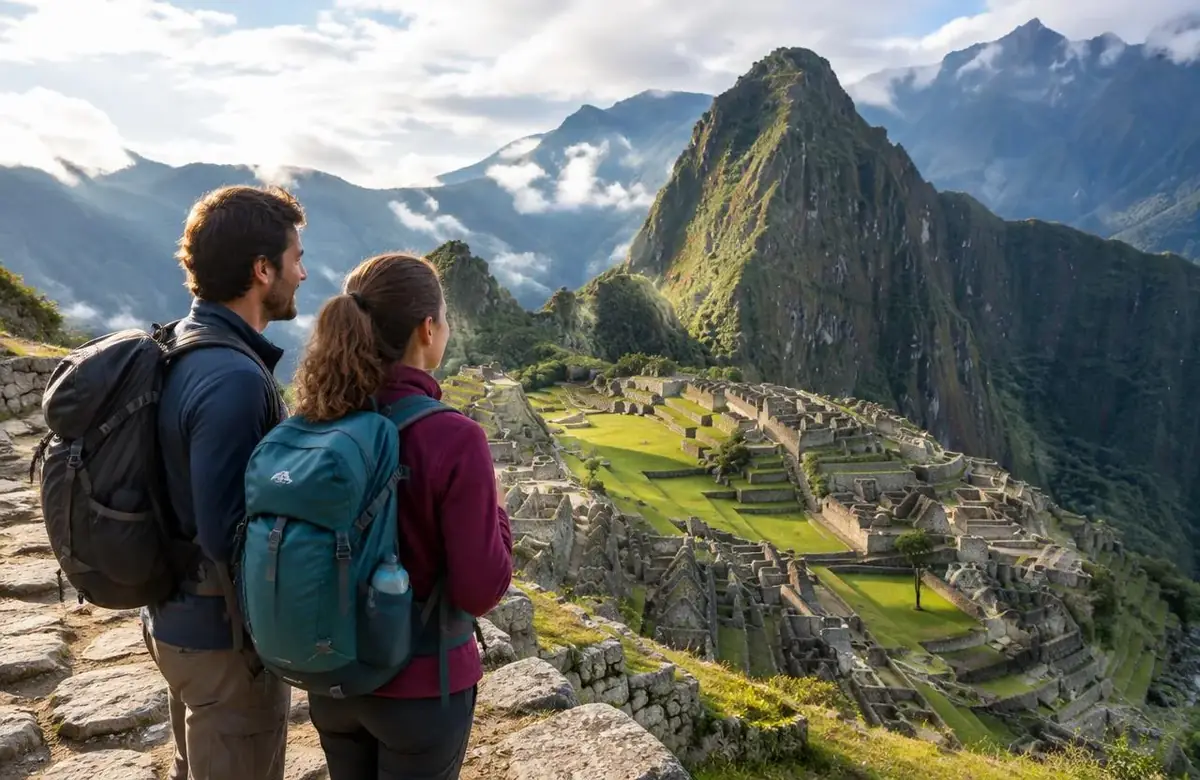
Packages · 7 days
Machu Picchu Vacation Packages, 3, 5 and 7 Days
3, 5 or 7 days from Cusco with hotels, trains, Machu Picchu tickets and guides arranged. From $479.
from $1290
View tour →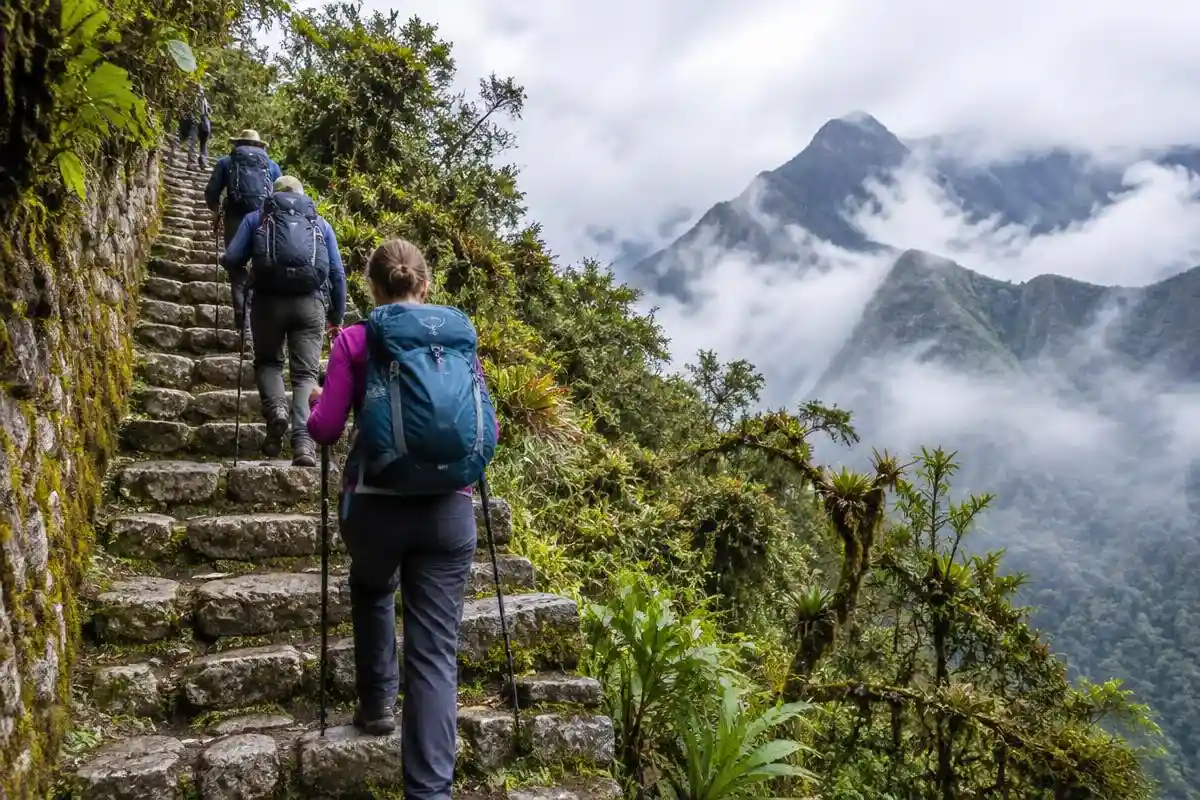
Inca Trail · 4 days
Classic Inca Trail to Machu Picchu, 4 Days
The world-famous 43 km trek on original Inca stone paths, ending at the Sun Gate.
from $827
View tour →Keep planning
- Cusco Altitude: How High Cusco Is and How to Handle Your First Days There
- Is Peru Safe to Travel? A Practical 2026 Guide for Americans
- Peru Travel Insurance: Coverage Guide for Machu Picchu and Treks
- Machu Picchu Tickets 2026: Prices, Ticket Types and How to Buy
- Best Time to Visit Machu Picchu: Best Months, Seasons and Time of Day
- How to Get to Machu Picchu: Every Route From Cusco Compared
- Machu Picchu Bus: How the Shuttle From Aguas Calientes Works
- Machu Picchu Hotels: Best Places to Stay Near the Citadel by Area and Budget