
Machu Picchu Facts: Engineering, Nature and Numbers Behind the Inca Wonder
By the Goo Machu Picchu team · Checked against official sources (editorial policy) · Updated October 2026 · 5 min read
The most surprising Machu Picchu facts are hidden in plain sight: much of the construction work lies underground, the walls were designed to ride out earthquakes, a spring-fed canal still feeds 16 stone fountains, and the surrounding sanctuary shelters spectacled bears and hundreds of orchid species. Here are the facts worth knowing before you go.
- Buildings
- About 200 structures
- Terraces
- Hundreds of farming terraces
- Fountains
- 16 stone fountains in a series
- Sanctuary size
- About 126 square miles (326 km²)
- Orchids
- Hundreds of species reported in the sanctuary
- Built on
- A ridge crossed by geological faults
Engineering Facts About Machu Picchu
Machu Picchu's engineering is its most remarkable feature: Inca builders placed an estimated 60 percent of their construction effort underground, in foundations, crushed-stone fill and drainage layers. That hidden work keeps the site from sliding off its ridge despite heavy rain, which is why buildings still stand after more than 500 years.
- Walls lean slightly inward and doors are trapezoidal, which helps them resist earthquakes.
- The finest walls are fitted so tightly that a knife blade will not slide between stones.
- Terraces have layers of large rocks, gravel and topsoil that drain rainwater.
- More than 100 drainage channels carry water away from buildings.
- Stone was quarried on site, so blocks did not travel far.
These figures come from engineering studies by hydrologist Kenneth Wright and colleagues, and are rounded estimates.
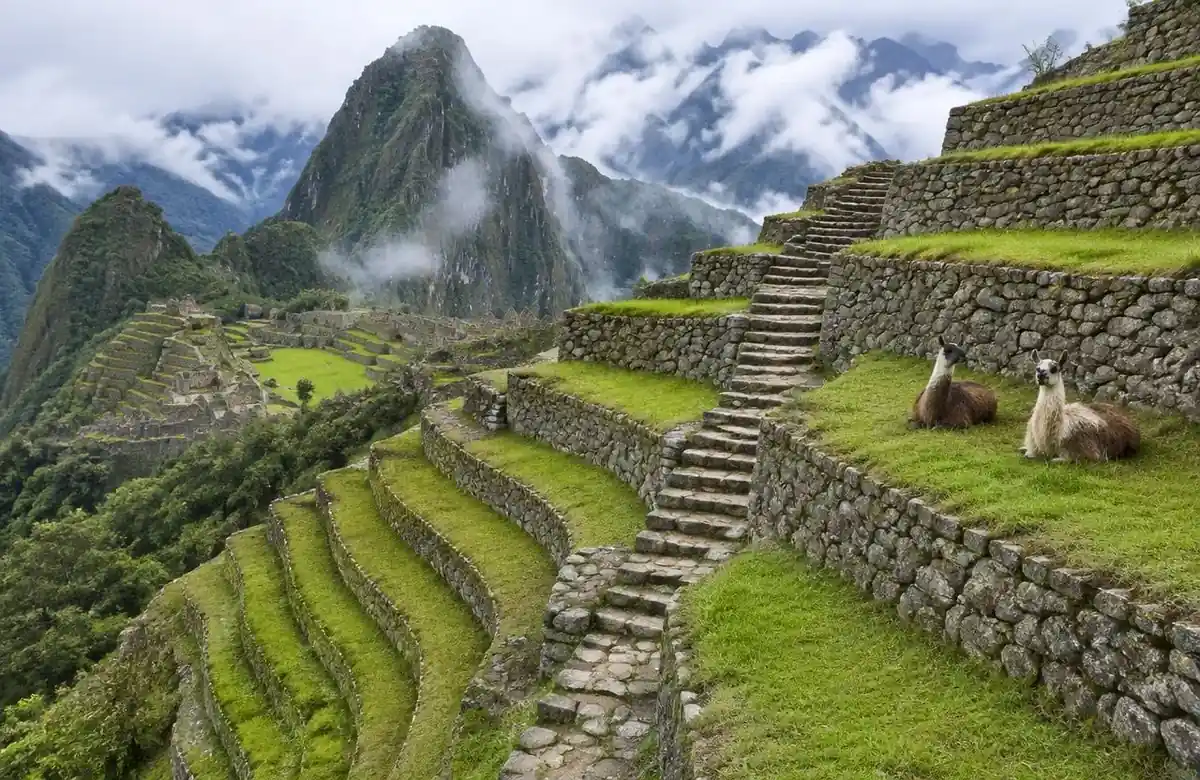
Facts About Earthquakes and Fault Lines
Machu Picchu sits where geological faults cross, and research presented in 2019 suggested the Incas chose the spot partly because fractured rock was easier to quarry and channeled water. The mortarless walls can shift during earthquakes and settle back, a technique Peruvians call dancing stones.
Several major earthquakes have struck the Cusco region since Inca times, including a severe one in 1950, yet the finest Inca walls at Machu Picchu remained standing. Following the Machu Picchu rules and regulations helps protect these walls.
Facts About Water at Machu Picchu
Machu Picchu has a spring-fed water system that still works. A stone canal about 2,500 feet (750 m) long carries water from a mountain spring into the site, where it flows through a chain of 16 fountains. The first fountain sits beside the emperor's residence, so he received the purest water.
The canal's gentle slope was calculated so water moved steadily without eroding the stone, a feat modern engineers still admire.
Nature and Wildlife Facts
Machu Picchu lies inside a protected Historic Sanctuary of about 126 square miles (326 km²), listed by UNESCO for both culture and nature. Its cloud forest is home to spectacled bears, the Andean cock-of-the-rock, Peru's national bird, hundreds of orchid species and hummingbirds. The llamas on the terraces were brought in by people.
- Spectacled bear: South America's only bear lives in the sanctuary forests
- Andean cock-of-the-rock: Bright red national bird of Peru
- Orchids: Hundreds of species reported in the sanctuary
- Vizcacha: Rabbit-like rodent often seen sunning on walls
- Llamas: Introduced, they help keep grass short
Numbers and Records
Machu Picchu's key numbers: about 200 buildings, an elevation of about 7,970 feet, a UNESCO listing in 1983 and a place among the New Seven Wonders since 2007. Before the pandemic it received about 1.5 million visitors a year, which is why daily caps and timed tickets now apply.
- Elevation: About 7,970 ft (2,430 m)
- Height above the river: About 1,300 to 1,500 ft
- Huayna Picchu summit: About 8,835 ft (2,693 m)
- Machu Picchu Mountain summit: About 10,111 ft (3,082 m)
- Visitors in 2019: About 1.5 million
Elevations are rounded; see our guide to Machu Picchu elevation and altitude sickness.
Astronomy and Sacred Design Facts
Machu Picchu was designed with the sky in mind. The Temple of the Sun has a window that lines up with sunrise on the June solstice, and the Intihuatana stone is thought to have served ritual and calendar purposes. Surrounding peaks were worshipped as apus, protective mountain spirits.
Some buildings frame mountains like picture windows, showing how Inca architects blended stone with the landscape. The meaning of these sites is debated, so guides present several interpretations. Huayna Picchu, one of those sacred peaks, can be climbed today; see our Huayna Picchu hike guide.
Fun Facts About Machu Picchu for Kids
Fun facts for kids: the Incas built Machu Picchu without wheels, iron tools or mortar; llamas roam the terraces like lawnmowers; the city has its own water fountains over 500 years old; and Huayna Picchu has a temple carved into a cave. Kids also love that a famous explorer was guided there by a local boy.
Families planning a visit can read our guide to Machu Picchu with kids.
Machu Picchu Myths That Are Not True
Several popular Machu Picchu claims are myths. It was never lost to locals, Hiram Bingham did not discover it, it was not a city of chosen virgins, aliens did not build it, and it is not sinking because of tourists, though erosion and crowding are real concerns managed by visitor limits.
Prefer to have it all arranged? Our Machu Picchu day trip from Cusco covers transport, tickets and a licensed guide.
- It was a lost city: Local farmers always knew it
- Bingham discovered it: He publicized it in 1911, guided by locals
- Mostly women lived there: Early bone analysis was later corrected
- Built by aliens or giants: Built by Inca workers with stone tools
- It was the last Inca refuge: That was Vilcabamba, elsewhere
The full story is told in our Machu Picchu history guide, and the basics in our guide to what makes Machu Picchu famous.
Lesser-known corners hold more surprises, from the Temple of the Moon cave shrine to the narrow Inca Bridge on the western cliff.
Frequently asked questions
What is the most interesting fact about Machu Picchu?
One of the most interesting facts is that most of Machu Picchu's construction effort is underground, in foundations and drainage. Without that hidden engineering, heavy rain would have washed the site off the mountain long ago. Visitors see only the visible part of the work.
How many steps are at Machu Picchu?
Machu Picchu has more than 100 stairways, many carved from single stones, and visitors climb hundreds of steps on a standard circuit. Hikes such as Huayna Picchu add many more. Exact counts vary by source, so treat any precise total as an estimate.
Is Machu Picchu sinking?
Machu Picchu is not sinking, but experts monitor erosion, slope movement and wear from foot traffic. Heavy rains can trigger landslides in the surrounding valley. Visitor caps, fixed one-way routes and restricted areas help protect the structures. Rules on staying on paths matter here.
What animals live at Machu Picchu?
Animals at Machu Picchu include llamas on the terraces, vizcachas on the walls, many hummingbirds and, in the surrounding forest, spectacled bears and the Andean cock-of-the-rock. The bears are rarely seen by day visitors. Please never feed any animal at the site.
Why do llamas live at Machu Picchu?
Llamas live at Machu Picchu because people brought a small herd there, partly to graze the grassy terraces and partly as a nod to Inca culture. They are domesticated and used to visitors. Keep a respectful distance, as they can kick or spit.
What is the Inca Trail's connection to Machu Picchu?
The Inca Trail is part of a vast Inca road network that linked Machu Picchu to Cusco and the rest of the empire. Its final stretch enters the site through the Sun Gate. Hiking it today requires a permit and a licensed operator; see the [Inca Trail permits guide](/guides/inca-trail-permits).
See these facts with your own eyes
Tell us your dates, and we will plan a guided Machu Picchu visit where your guide points out the engineering, fountains and wildlife. Prefer to read first? Get the free Machu Picchu trip guide.
Sources checked October 3, 2026
Recommended tours
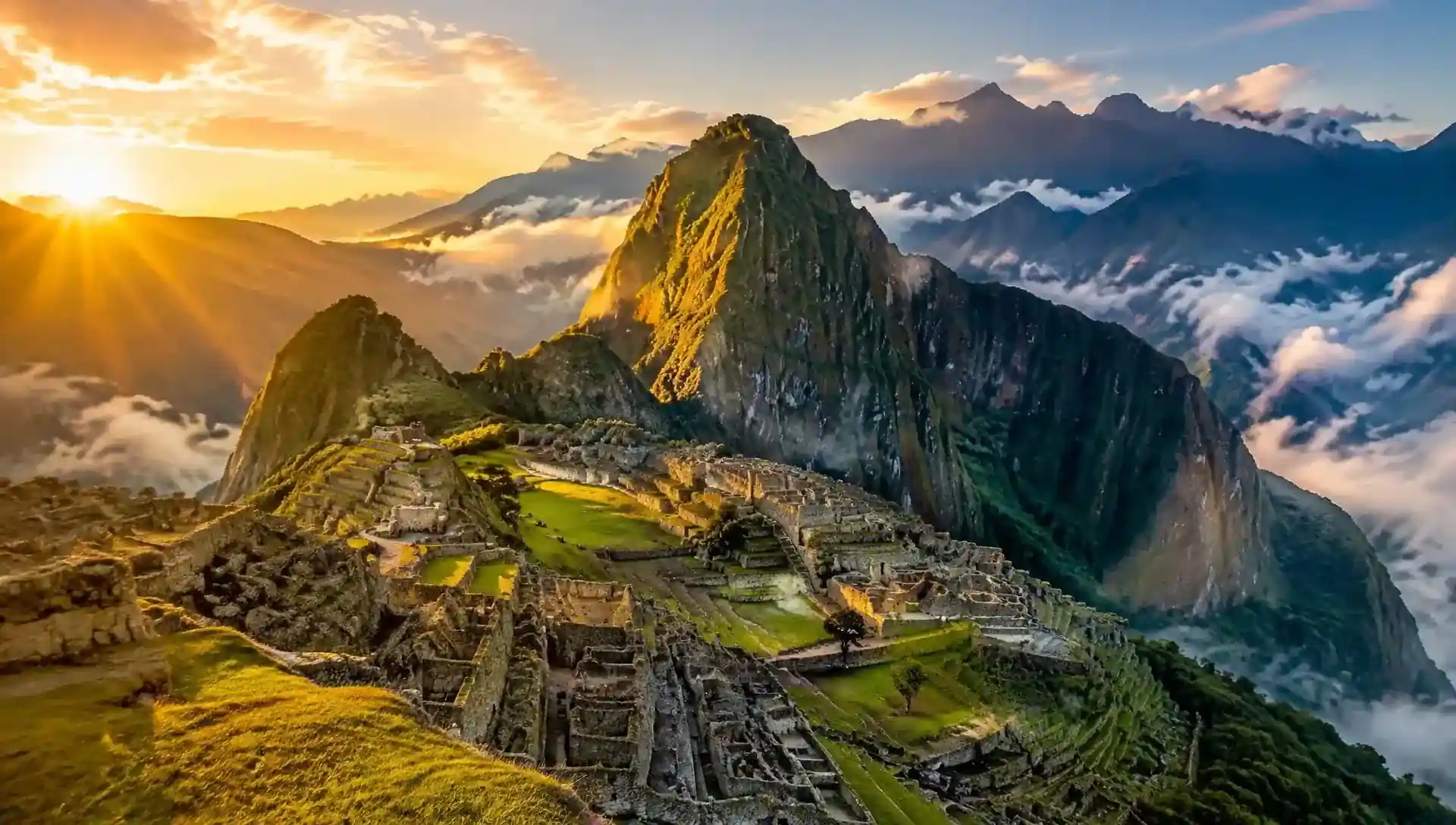
Machu Picchu · 1 day
Machu Picchu Day Trip from Cusco
Train, bus, entry ticket and guided tour of Machu Picchu in one easy day from Cusco.
from $379
View tour →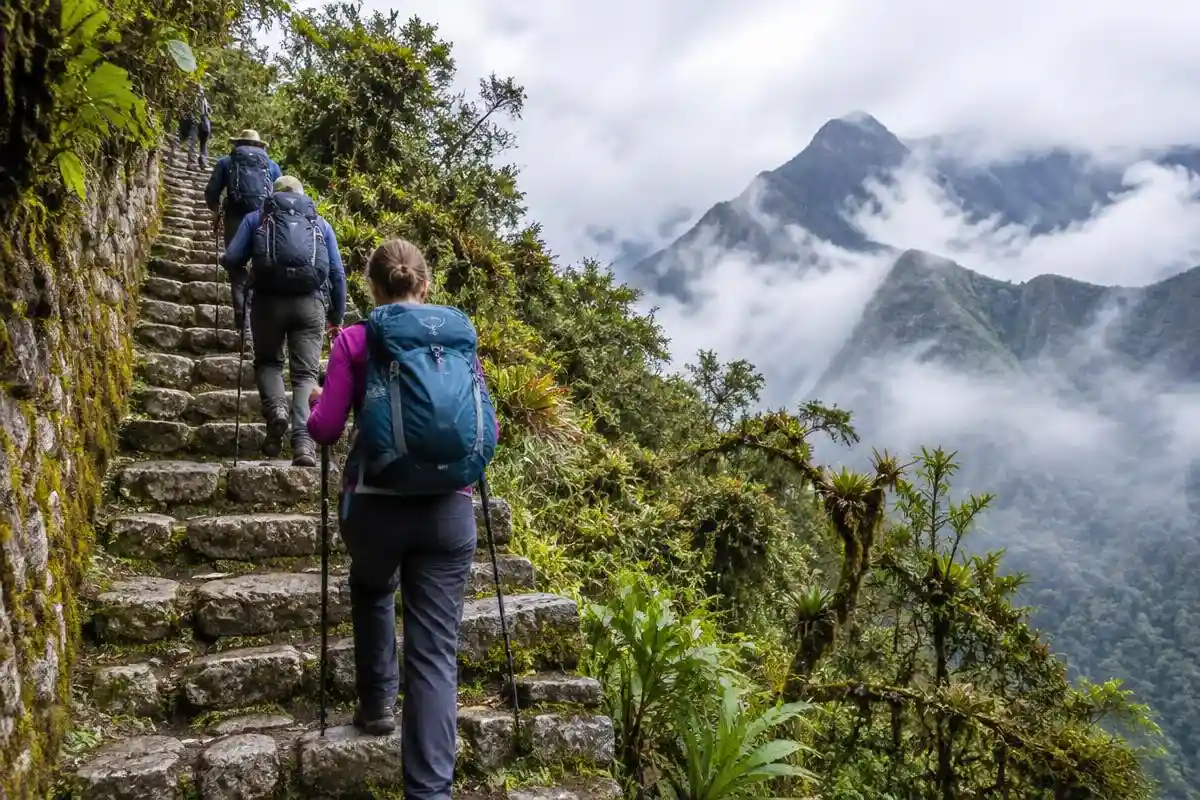
Inca Trail · 4 days
Classic Inca Trail to Machu Picchu, 4 Days
The world-famous 43 km trek on original Inca stone paths, ending at the Sun Gate.
from $827
View tour →Keep planning
- What Is Machu Picchu? The Inca Citadel in Peru Explained
- Machu Picchu History: From Inca Royal Estate to World Wonder
- Machu Picchu Tickets 2026: Prices, Ticket Types and How to Buy
- Best Time to Visit Machu Picchu: Best Months, Seasons and Time of Day
- How to Get to Machu Picchu: Every Route From Cusco Compared
- Machu Picchu Bus: How the Shuttle From Aguas Calientes Works
- Machu Picchu Hotels: Best Places to Stay Near the Citadel by Area and Budget
- Machu Picchu Map: Where It Is in Peru and How the Ruins Are Laid Out