
Inca Bridge Machu Picchu: The Cliffside Trail and Secret Log Crossing
By the Goo Machu Picchu team · Checked against official sources (editorial policy) · Updated October 2026 · 5 min read
The Inca Bridge at Machu Picchu is a gap in a stone path cut into a sheer cliff west of the citadel, crossed by removable logs so the Incas could block a back entrance. Visitors reach a viewpoint on ticket Route 1D in about 20 minutes from the trailhead, but crossing the bridge itself is not allowed.
- Type
- Removable log bridge on a cliff path
- Gap
- About 20 ft (6 m) wide
- Drop below
- Roughly 1,900 ft (570 m)
- Walk
- About 0.75 miles (1.2 km) round trip from trailhead
- Time
- About 30 to 45 minutes round trip
- Ticket
- Regular ticket, Route 1D
What Is the Inca Bridge at Machu Picchu?
The Inca Bridge at Machu Picchu is a short wooden crossing over a gap left in a stone trail built along a vertical cliff on the west side of Machu Picchu Mountain. A few tree trunks span the gap. Pulling them away would cut the path, leaving attackers facing a long fall.
The trail is a narrow ledge supported by a high stone retaining wall, an impressive feat of Inca engineering in itself. The bridge you see today is a modern replacement of the logs, set into the original Inca stonework.
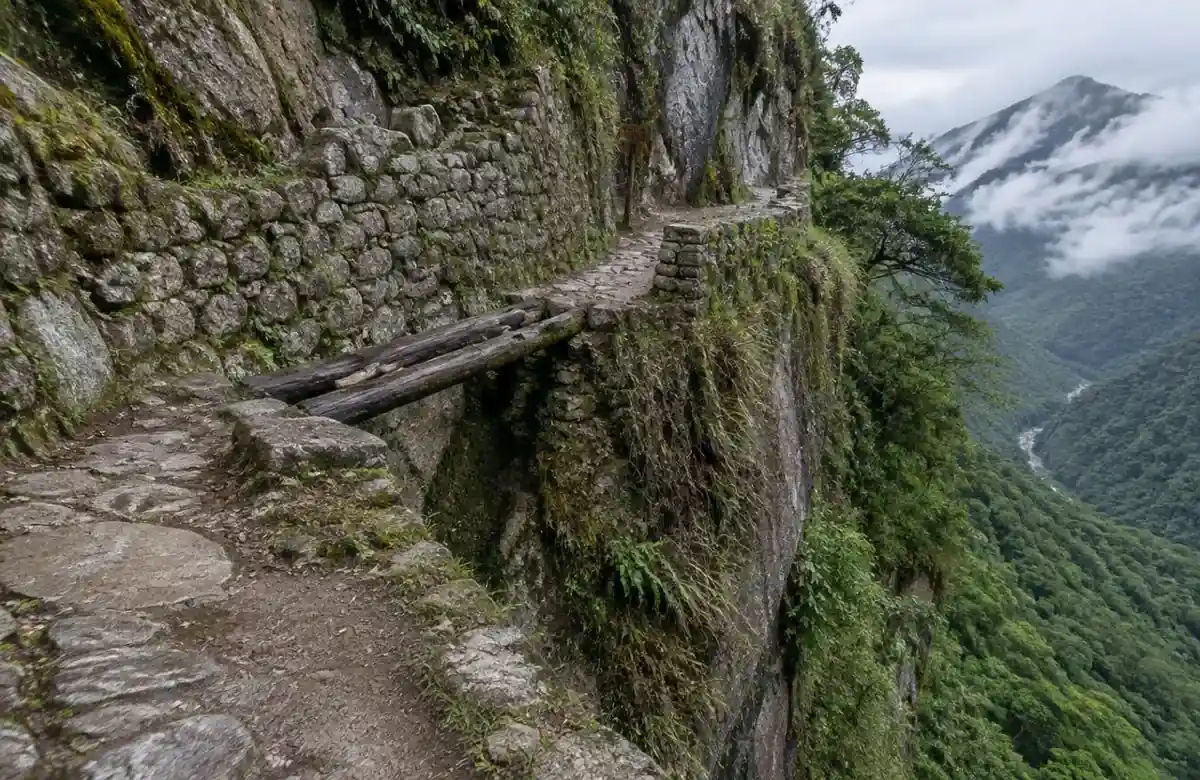
Why Did the Incas Build a Removable Bridge?
The Incas built the removable bridge as a security feature for a secret western entrance to Machu Picchu. With the logs in place, messengers and residents could use the route. With the logs removed, the path became impassable. Many researchers think it was a back door or emergency route out of the citadel.
The main controlled entrance was the Sun Gate on the Inca Trail to the southeast. The western route probably linked to lower valleys toward Vilcabamba, though where it led is not fully traced.
How Do You Get to the Inca Bridge?
To get to the Inca Bridge, buy a regular Machu Picchu ticket for Route 1D, enter the site and climb to the upper terraces near the Guardhouse. A signed path leads west to a control hut where guards record your name, then a mostly flat cliff trail continues to the viewpoint.
- Buy a ticket for Route 1D on the official site or through an agency.
- Enter at your time slot and climb to the upper terraces.
- Follow signs west to the Inca Bridge control hut.
- Sign the logbook with your name and time.
- Walk about 15 to 20 minutes along the cliff path.
- Return the same way and continue your route's exit path.
Route 1D has mainly been offered in high season. Check what each route includes in our Machu Picchu circuits guide and how to buy in the Machu Picchu tickets guide.
Is the Inca Bridge Walk Difficult or Dangerous?
The Inca Bridge walk is easy in effort but has real exposure. The path is mostly level and short, but in places it is narrow with a sheer drop and only a low wall or rope on one side. It suits most fit visitors, while anyone with a strong fear of heights may find it uncomfortable.
Wet stones become slippery in the rainy season, so shoes with grip matter. Compared with the steep stairs in our Huayna Picchu hike guide, the effort is far lower but the cliff views feel just as dramatic.
Can You Cross the Inca Bridge?
You cannot cross the Inca Bridge. The trail ends at a barrier a short distance before the logs, and visitors look at the bridge from there. Crossing was closed for safety and conservation, because the ledge beyond is crumbling and the drop is several hundred meters.
The viewpoint still gives a clear look at the gap, the logs and the wall, which is what most visitors come to see.
Inca Bridge vs Sun Gate: Which Should You Choose?
Choose the Inca Bridge for a short, quiet walk with dramatic cliff engineering, and the Sun Gate for a longer hike with a wide view of the whole citadel. Both use a regular ticket on different routes, 1D and 1C, so most visitors pick one.
| Feature | Inca Bridge (1D) | Sun Gate (1C) |
|---|---|---|
| Round trip | About 30 to 45 minutes | About 2 to 3 hours |
| Effort | Easy, mostly flat | Moderate, steady climb |
| Exposure | Narrow cliff ledge | Wide trail, little exposure |
| Main view | Cliff, valley and log bridge | Whole citadel and Huayna Picchu |
| Crowds | Usually quiet | Moderate |
Is This the Same as the Qeswachaka Inca Bridge?
The Inca Bridge at Machu Picchu is not the same as Qeswachaka. Qeswachaka is a woven grass rope bridge over the Apurimac River, about four hours south of Cusco, rebuilt by local communities every June. It is recognized by UNESCO as intangible cultural heritage and is a separate day trip.
Both show how Inca engineers solved the problem of crossing the Andes, one with stone and logs, the other with braided grass. More on Inca engineering is in our Machu Picchu facts list.
Want this handled for you? Take a look at our Machu Picchu day trip from Cusco.
The Inca Bridge path starts near the upper terraces, shown on our Machu Picchu map and layout; for a longer hike with big drops, read about hiking Huayna Picchu.
Frequently asked questions
Do you need a separate ticket for the Inca Bridge?
You do not need a separate mountain ticket for the Inca Bridge. The walk is included in a regular Machu Picchu ticket for Route 1D at the normal price. You must choose Route 1D when buying, since other routes do not pass the trailhead control hut.
Is the Inca Bridge worth it?
The Inca Bridge is worth it if you want a quick, quiet extra with striking cliff engineering and valley views. It is less rewarding in thick fog or if heights make you anxious, and the walk adds only a small amount of time to your Machu Picchu visit.
Why do you sign in before the Inca Bridge trail?
Visitors sign a logbook at the Inca Bridge control hut so guards know who is on the narrow cliff trail and when they return. The record helps staff respond quickly if someone is missing or injured on the exposed path, and keeps numbers on the ledge low.
Can kids walk to the Inca Bridge?
Older children who follow instructions can usually walk to the Inca Bridge with close supervision, but the narrow ledge and drop make it a poor choice for toddlers or restless young kids. Read our [guide to visiting Machu Picchu with kids](/guides/machu-picchu-with-kids) for easier route ideas.
Where does the Inca Bridge trail lead?
The Inca Bridge trail once continued west beyond the log crossing, probably down toward lower valleys and the region of Vilcabamba. Beyond the closed bridge the path is unmaintained and off limits, so its full route has not been opened to visitors.
Is the Inca Bridge open in the rainy season?
The Inca Bridge path can close temporarily in heavy rain or after landslides, and day-visitor access through Route 1D has mainly been offered in high season. Check the official route calendar before booking, especially between November and March, when wet stones make the ledge slippery.
Are there restrooms on the Inca Bridge trail?
No, there are no restrooms on the Inca Bridge trail or anywhere inside the Machu Picchu citadel. The only toilets are at the main entrance, just outside the gate, and they charge a small fee in soles. Use them before you enter, because you cannot walk back against the one-way route.
Do you need your passport for the Inca Bridge hike?
Yes, carry your passport. Machu Picchu checks the original passport against your ticket at the entrance, and the Inca Bridge trail usually has a control point where staff record visitors before the path narrows. A photo or copy may be refused, so keep the physical passport in a zipped pocket.
Want the Inca Bridge on your route?
Tell us your dates and we will check Route 1D availability and plan your visit around it. Prefer to plan first? Get the free Machu Picchu trip guide.
Sources checked October 3, 2026
Recommended tours
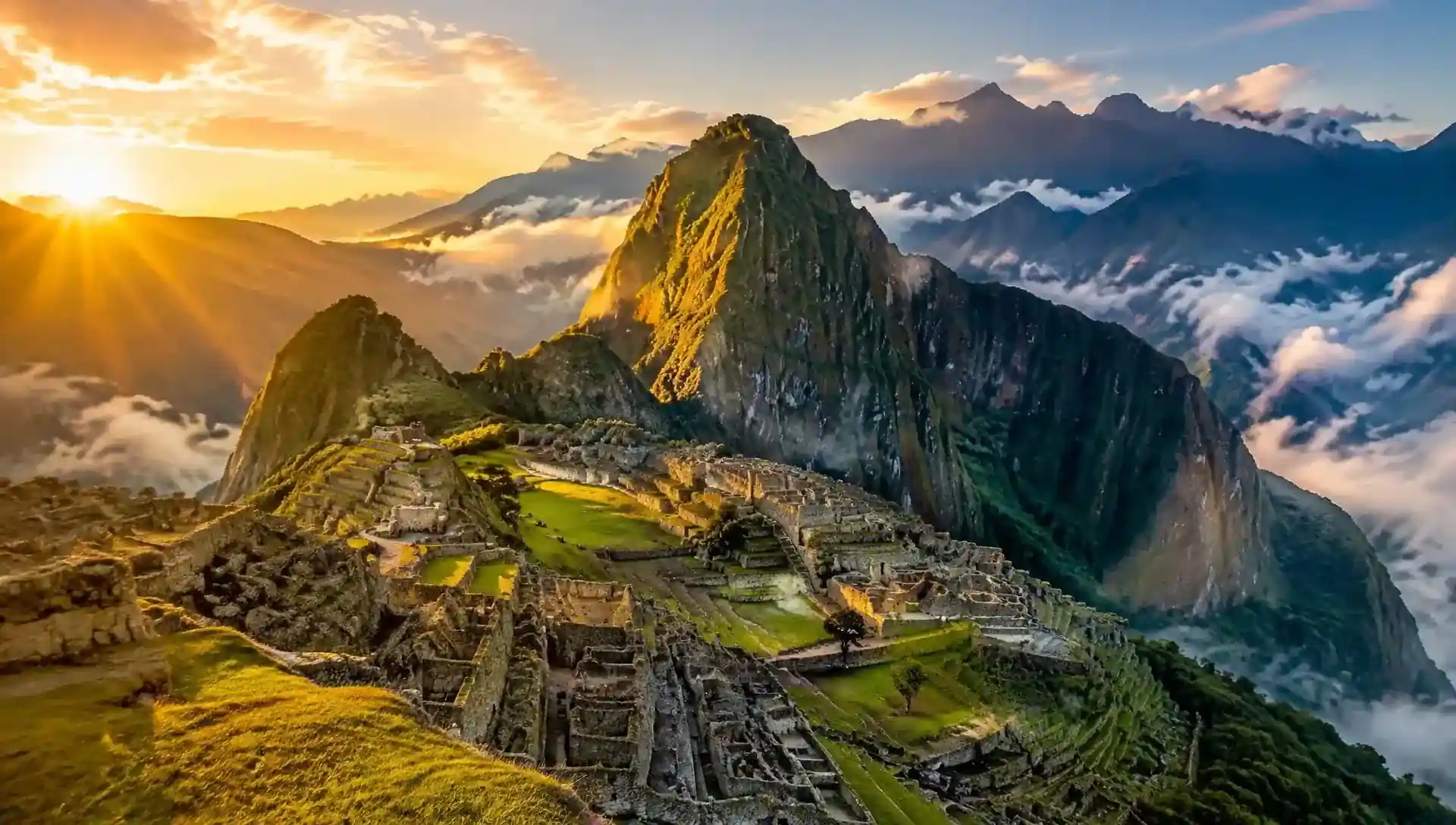
Machu Picchu · 1 day
Machu Picchu Day Trip from Cusco
Train, bus, entry ticket and guided tour of Machu Picchu in one easy day from Cusco.
from $379
View tour →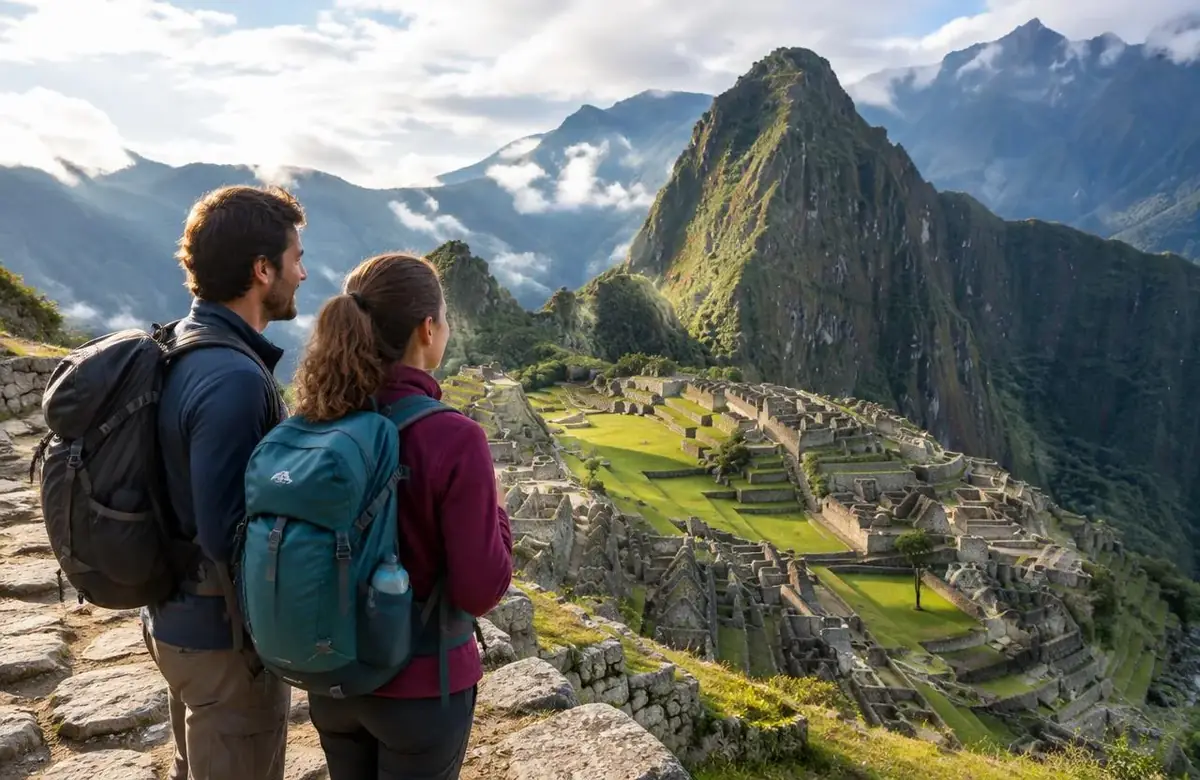
Packages · 7 days
Machu Picchu Vacation Packages, 3, 5 and 7 Days
3, 5 or 7 days from Cusco with hotels, trains, Machu Picchu tickets and guides arranged. From $479.
from $1290
View tour →Keep planning
- Huayna Picchu: Hike Guide to the Peak Behind Machu Picchu
- Machu Picchu Circuits Explained: Circuit 1, 2 and 3 and All 10 Routes
- Machu Picchu Mountain: Hike Guide to the Tallest Peak Above the Citadel
- Temple of the Sun at Machu Picchu: The Inca Solstice Tower Explained
- Sun Gate Machu Picchu: How to Hike to Inti Punku and What You Will See
- Intihuatana Stone at Machu Picchu: Meaning, Purpose and How to See It
- Temple of the Moon at Machu Picchu: The Hidden Cave Shrine on Huayna Picchu
- Machu Picchu Tickets 2026: Prices, Ticket Types and How to Buy