
Intihuatana Stone at Machu Picchu: Meaning, Purpose and How to See It
By the Goo Machu Picchu team · Checked against official sources (editorial policy) · Updated October 2026 · 4 min read
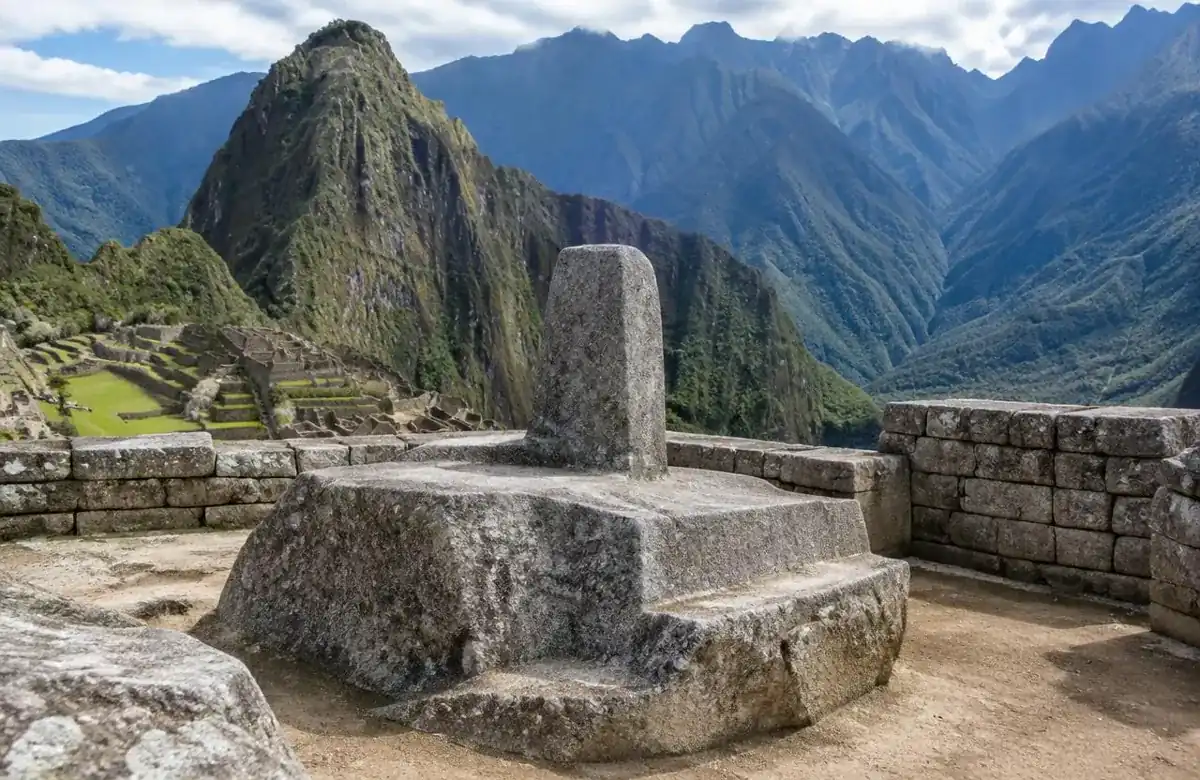
Intihuatana: a carved granite ritual stone on the highest point of Machu Picchu's sacred sector, whose Quechua name is usually translated as hitching post of the sun. Researchers believe Inca priests used it for ceremonies and to follow the sun's yearly path, though its exact purpose is still debated today.
- Name meaning
- Roughly 'place to tie the sun'
- Material
- Single block of local granite
- Size
- Pillar about 6 ft (1.8 m) tall with base
- Location
- Top of a terraced hill, northwest sector
- Damaged
- Chipped by a falling crane in 2000
- Viewing
- From the path; touching is prohibited
What Does Intihuatana Mean?
The word Intihuatana combines the Quechua inti, meaning sun, with wata, meaning to tie or hitch, so it is usually translated as the place where the sun is tied. The name was probably applied in modern times, perhaps by Hiram Bingham, and the Incas' original name for the stone is unknown.
The poetic idea of tying the sun likely refers to ceremonies at the June solstice, when the sun seems to pause before days grow longer again. Spanish chroniclers describe such rites, but not this specific stone.
What Was the Intihuatana Stone Used For?
The Intihuatana stone was most likely a ritual altar tied to sun worship and the Inca calendar. Many guides say its shadow marked the equinoxes and solstices, which guided planting and festivals. Others see it as a sculpted model of the sacred mountains around it. Evidence for exact astronomical use is limited.
A common claim is that the pillar casts no shadow at noon on the equinoxes. Machu Picchu lies about 13 degrees south of the equator, so the noon sun is never exactly overhead on those dates, and the shadow is short rather than absent.
Researchers have also noted the stone's corners point roughly toward the cardinal directions and toward nearby peaks such as Huayna Picchu, linking it to the apus, the protective mountain spirits.
Where Is the Intihuatana Located?
The Intihuatana sits on top of a natural hill in the northwest of Machu Picchu's urban sector, above the Sacred Plaza and the Temple of the Three Windows. The hill is shaped with terraces and stairways into a stepped platform, which is why some people search for it as the Machu Picchu pyramid.
Reaching it means climbing a steep stone stairway from the Sacred Plaza. See where it sits among the other buildings in our Machu Picchu site map and layout.
How Was the Intihuatana Carved?
Inca masons carved the Intihuatana from the living granite bedrock of the hilltop, shaping a stepped base, angled faces and an upright pillar from one piece. They worked with harder hammerstones and abrasives, since they had no iron tools, and polished the surfaces smooth with sand and water.
Carving in place, instead of moving a block, was typical of Inca sacred rocks called huacas. The same approach shaped the Sacred Rock and the rock under the Temple of the Sun at Machu Picchu.
Why Did the Intihuatana Survive When Others Did Not?
The Intihuatana at Machu Picchu survived because Spanish colonists never found the site. In the 1500s, priests campaigning against Andean religion broke or buried many sacred stones they found across Peru. Machu Picchu's isolation protected this one, making it among the best preserved Inca ritual stones known today.
Other Intihuatana-type stones exist at Pisac in the Sacred Valley and in other Inca sites, many of them damaged. The wider story is told in our Machu Picchu history guide.
What Happened to the Intihuatana in 2000?
In September 2000, a heavy camera crane fell during filming of a beer commercial at Machu Picchu and chipped a small piece off the top of the Intihuatana. The incident caused outrage in Peru, led to legal action and tighter filming rules, and the damaged edge can still be noticed.
Since then, visitors have been kept back from the stone, and touching it is not allowed. The damage is one reason the official Machu Picchu rules for visitors forbid climbing on or leaning against walls and carvings.
How Can You See the Intihuatana Today?
To see the Intihuatana today, choose a Machu Picchu ticket route that passes through the upper sacred sector, usually a Circuit 2 route. Visitors view the stone from a set path and cannot touch it. Some routes only show the hill from a distance, so confirm current route details before booking.
Routes are reorganized from time to time, and access to the hilltop has been restricted at times for conservation. Compare current options in our Machu Picchu circuits guide before you buy Machu Picchu entrance tickets.
If you would rather not plan every piece yourself, see our Machu Picchu day trip from Cusco.
- Book a route that includes the sacred sector.
- Ask your guide which corner was chipped in 2000.
- Look toward Huayna Picchu to compare its shape.
- Visit mid-morning when clouds have usually lifted.
- Use the nearby Sacred Plaza for wider photos.
The Intihuatana works alongside other solar sites, so pair it with the Temple of the Sun tower and the Sun Gate on the Inca Trail.
Frequently asked questions
Can you touch the Intihuatana stone?
You cannot touch the Intihuatana stone. Machu Picchu rules forbid touching, leaning on or climbing carved stones and walls, and guards watch the area closely. The popular idea that touching it gives energy dates from modern spiritual tourism, and contact wears down the granite surface.
Is the Intihuatana a sundial?
The Intihuatana is often called a sundial, but it does not mark hours like a clock. Researchers think it was more likely a ritual stone used to watch the sun's yearly path and mark seasonal turning points, such as the solstices, in ceremonies tied to farming.
How tall is the Intihuatana?
The Intihuatana pillar rises roughly 1.8 meters, about 6 feet, including its carved base, while the base platform spreads around 2 meters wide. Measurements vary between sources because the stone has an irregular shape and a stepped bottom that blends into the bedrock.
Who discovered the Intihuatana?
The Intihuatana was known to local farmers before Hiram Bingham arrived in 1911 with their guidance. Bingham's expedition documented and photographed it, and the name Intihuatana is often credited to Bingham or writers of that era rather than to the Incas, whose own name for it is lost.
Is the Intihuatana the same as the Temple of the Sun?
The Intihuatana and the Temple of the Sun are different structures. The Temple of the Sun is a curved stone tower in the urban sector, while the Intihuatana is a carved stone on a hilltop to the northwest. Both are linked to sun observation and ceremonies.
Are there other Intihuatana stones in Peru?
There are other Intihuatana-type carved stones in Peru, including one at the Pisac ruins in the Sacred Valley. Many were broken during Spanish campaigns against Andean religion in the 1500s and 1600s. The Machu Picchu stone is the most famous and best preserved.
Want to see the sacred sector up close?
Tell us your dates and we will book a route and guide that pass the Intihuatana and the Sacred Plaza. Prefer to read first? Get the free Machu Picchu trip guide.
Sources checked October 3, 2026
Recommended tours
Machu Picchu · 1 day
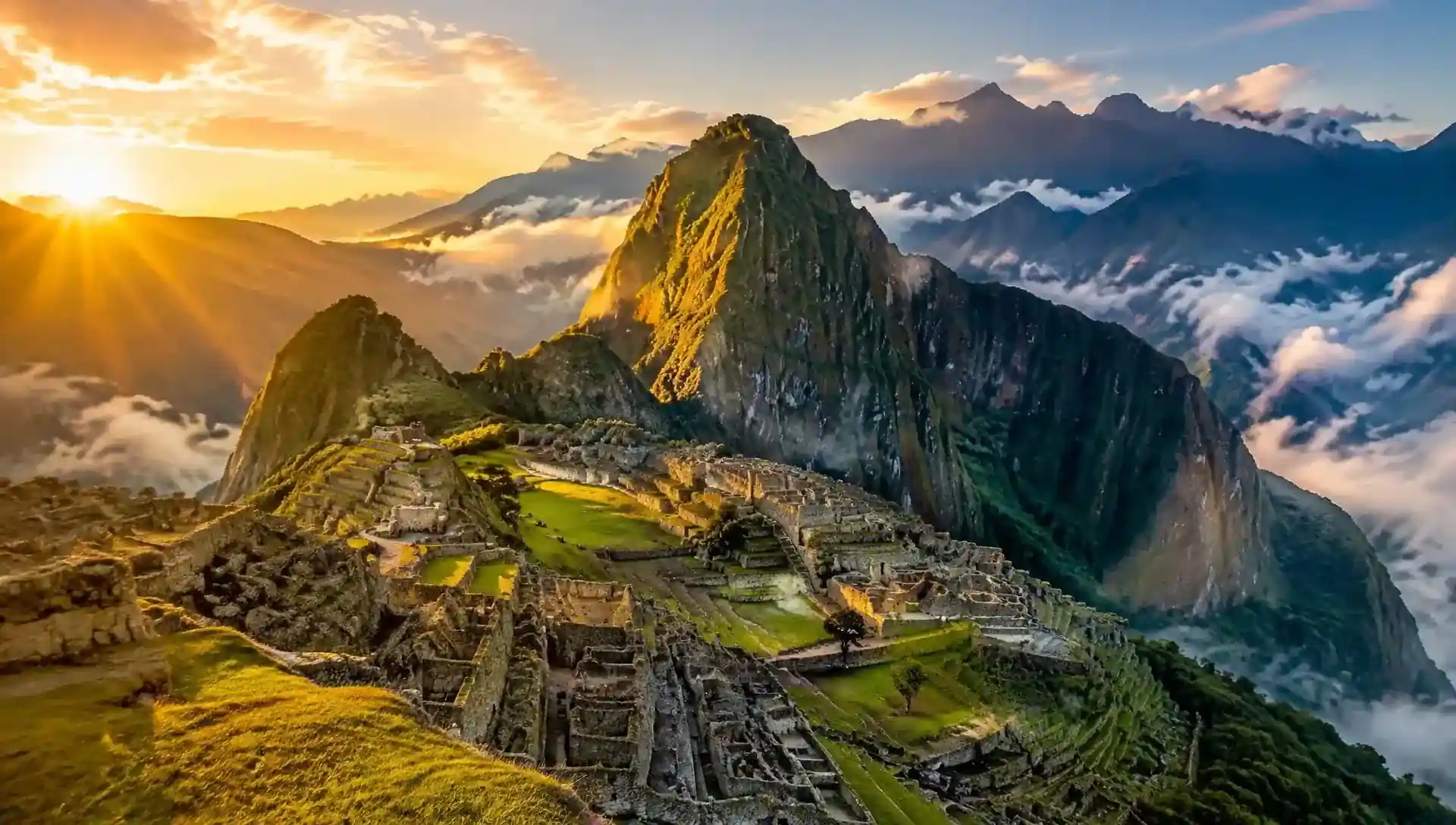
Machu Picchu Day Trip from Cusco
Train, bus, entry ticket and guided tour of Machu Picchu in one easy day from Cusco.
from $379
View tour →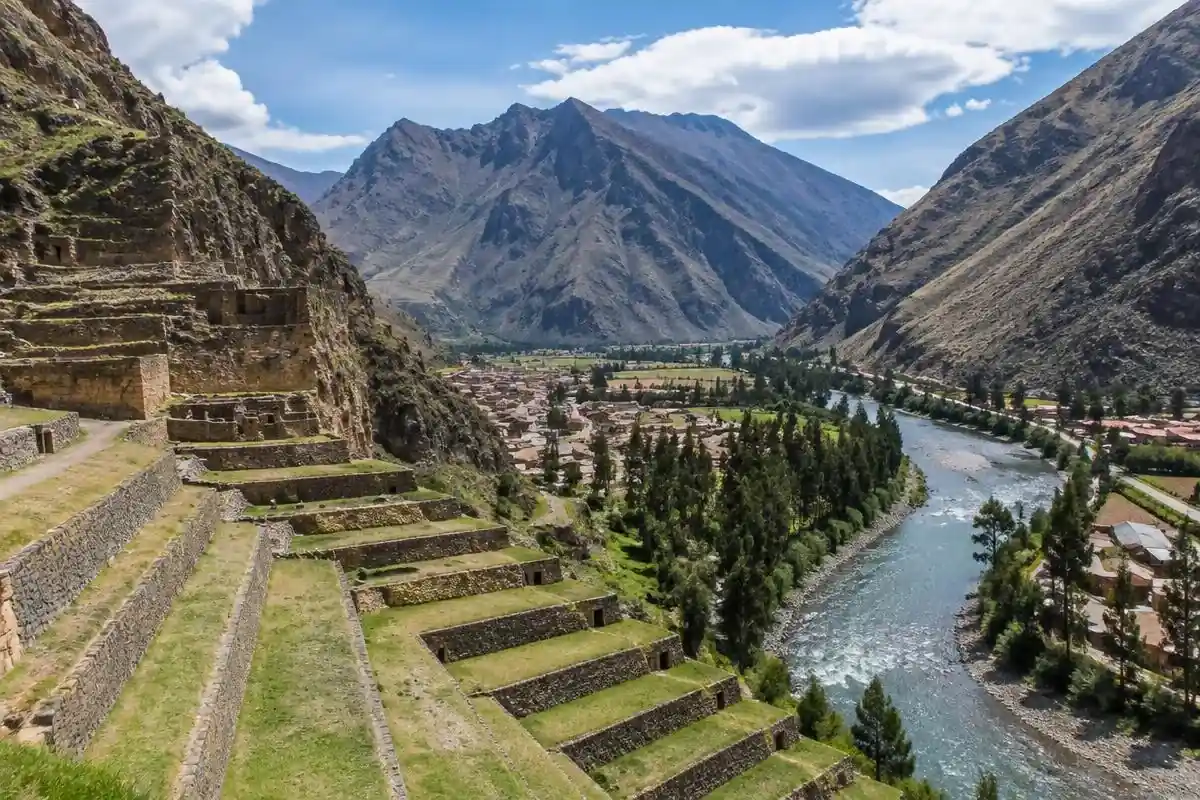
Day Tours · 1 day
Sacred Valley Full Day Tour
Chinchero, Moray, Maras salt mines, Ollantaytambo and Pisac in one full day from Cusco, with buffet lunch.
from $49
View tour →Keep planning
- Huayna Picchu: Hike Guide to the Peak Behind Machu Picchu
- Machu Picchu Circuits Explained: Circuit 1, 2 and 3 and All 10 Routes
- Machu Picchu Mountain: Hike Guide to the Tallest Peak Above the Citadel
- Temple of the Sun at Machu Picchu: The Inca Solstice Tower Explained
- Sun Gate Machu Picchu: How to Hike to Inti Punku and What You Will See
- Inca Bridge Machu Picchu: The Cliffside Trail and Secret Log Crossing
- Temple of the Moon at Machu Picchu: The Hidden Cave Shrine on Huayna Picchu
- Machu Picchu Tickets 2026: Prices, Ticket Types and How to Buy