
Temple of the Sun at Machu Picchu: The Inca Solstice Tower Explained
By the Goo Machu Picchu team · Checked against official sources (editorial policy) · Updated October 2026 · 5 min read
The Temple of the Sun at Machu Picchu is a curved stone tower, also called the Torreon, built over a sacred rock. Its east window lines up with sunrise on the June solstice, and a carved cave below, the Royal Tomb, may have held a royal mummy. Visitors view it from outside on certain routes.
- Other names
- Torreon, Sun Temple
- Location
- Urban sector, west side, near the royal residence
- Built
- Mid-1400s, finest Inca masonry
- Key alignment
- June solstice sunrise through the east window
- Below it
- Carved cave called the Royal Tomb
- Visiting
- Seen from outside; interior closed
What Is the Temple of the Sun at Machu Picchu?
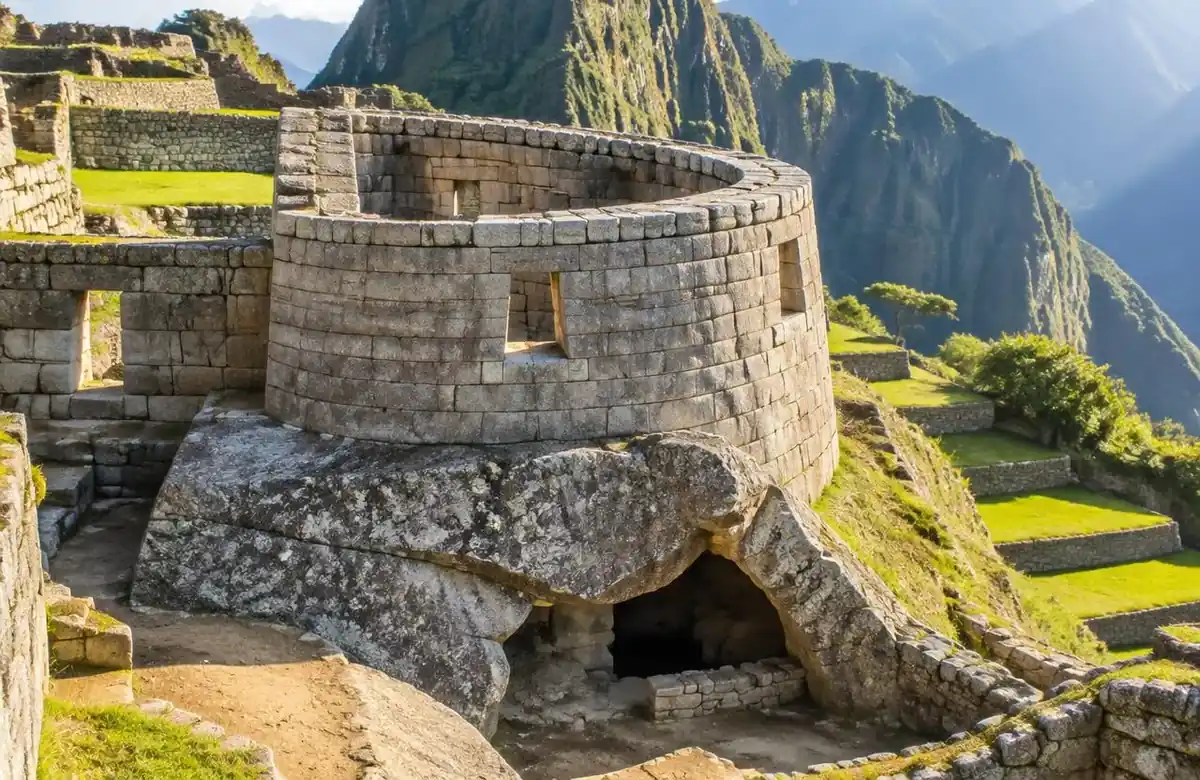
The Temple of the Sun at Machu Picchu is a semicircular tower of finely fitted granite built on top of a natural rock outcrop. It is one of the few curved buildings at the site, a design the Incas reserved for their most sacred places. Archaeologists believe priests used it for sun worship and to track the seasons.
Hiram Bingham's team called it the Torreon, meaning tower. Its walls are among the finest stonework at Machu Picchu, with blocks shaped to follow the curve of the bedrock.
What Was the Temple of the Sun Used For?
The Temple of the Sun was most likely used for ceremonies honoring Inti, the Inca sun god, and as a solar observatory to mark the solstices that guided planting and festivals. Only the emperor, nobles and priests are thought to have entered. Offerings and rituals likely took place on the carved central rock.
Interpretations come from architecture, alignments and Spanish chronicles about Inca religion, since the Incas left no written records. Guides may share several theories. The Incas' wider beliefs are covered in our guide to why Machu Picchu was built.
How Does the Solstice Window Work?
On the June solstice, around June 21, sunlight entering through the temple's east window falls in line with a straight edge carved into the central rock. June is winter in the southern hemisphere, so this marked the shortest day of the year and the turning of the agricultural calendar. A second window is linked to other seasonal events.
| Feature | Direction | Thought to mark |
|---|---|---|
| East window | Faces sunrise | June solstice |
| Southeast window | Faces southeast | December solstice sunrise or star events |
| Third doorway with holes | Faces north | Uncertain; possibly offerings or decoration |
| Carved rock | Center of the tower | Altar or sighting surface |
Alignments beyond the June window are debated among archaeoastronomers, so treat them as interpretations rather than proven facts.
What Is the Royal Tomb Under the Temple?
The Royal Tomb is a natural cave beneath the Temple of the Sun, lined with fine masonry, carved niches and a stepped altar. Bingham named it a tomb, but no royal remains were found. Many researchers think it held a royal mummy, possibly linked to Pachacuti, or served as a shrine to Pachamama, Mother Earth.
The stepped carving at the cave entrance echoes the chakana, the Andean cross symbol, which appears across Inca sacred sites.
Where Is the Temple of the Sun on the Site?
The Temple of the Sun stands on the west side of the urban sector, just below the main stairway and next to the so-called royal residence and the start of the fountain chain. It sits between the agricultural sector to the south and the Sacred Plaza to the north, close to the quarry area.
Its position beside the first fountain and the emperor's residence shows its importance. See the layout in our guide to the Machu Picchu map and site layout.
Which Ticket Route Lets You See the Temple of the Sun?
Circuit 2 routes pass closest to the Temple of the Sun, letting visitors see it from the path above and beside it. Circuit 1 routes show it mostly from the upper viewpoints, at a distance. The interior and the Royal Tomb are closed to the public, so no ticket allows entry inside.
Routes change from time to time, so check the current circuit map when booking. Compare all options in our guide to the Machu Picchu circuits and buy through our guide to buying Machu Picchu tickets.
Temple of the Sun at Machu Picchu vs Cusco
The Temple of the Sun at Machu Picchu is different from Coricancha, the main Temple of the Sun in Cusco. Coricancha was the empire's most important temple, once covered in gold, and the Spanish built the Santo Domingo convent on top of it. Machu Picchu's tower is smaller but survived untouched.
Many visitors see both: Coricancha during a day in Cusco and the Torreon at Machu Picchu. Ollantaytambo has its own unfinished Sun Temple too, visited on our Sacred Valley tour.
The Cusco temple has its own Qorikancha Sun Temple guide.
Tips for Seeing the Temple of the Sun
To see the Temple of the Sun well, choose a Circuit 2 route, visit in the morning when light hits the curved wall, and ask your guide to point out the solstice window and the cave entrance. Bring a zoom lens or use phone zoom, because you view it from outside the walls.
Related reading: our Intihuatana stone guide.
- Book Circuit 2 if this temple is a priority.
- Visit early; the stone glows in morning sun.
- Look for the straight carved edge on the central rock.
- Spot the scorch marks on the rock, possibly from an ancient fire.
- Combine with the Sacred Plaza and Temple of the Three Windows nearby.
More about the site's sacred design is in our list of Machu Picchu facts and the Machu Picchu history guide.
Frequently asked questions
Can you go inside the Temple of the Sun at Machu Picchu?
Visitors cannot go inside the Temple of the Sun at Machu Picchu. The tower and the Royal Tomb cave are closed to protect them, and you view them from the path above and beside the temple. Circuit 2 routes offer the closest look.
Why does the Temple of the Sun have burn marks?
The central rock of the Temple of the Sun shows scorch marks and cracks that suggest a fire at some point. The cause is unknown: theories include ritual fires, a later blaze in the overgrown ruins or a lightning strike. No record explains it for certain.
What is the Temple of the Sun made of?
The Temple of the Sun is made of white granite quarried at Machu Picchu, cut into blocks that fit together without mortar. The masons shaped the stones to follow the natural rock below. It is considered some of the finest Inca stonework anywhere.
Is the Temple of the Sun on every Machu Picchu ticket?
The Temple of the Sun is not seen equally on every Machu Picchu ticket. Circuit 2 passes closest to it, Circuit 1 shows it from higher viewpoints, and Circuit 3 routes generally do not pass it. Check the current route map before you buy.
Who built the Temple of the Sun?
The Temple of the Sun was built by Inca stonemasons in the mid-1400s, during the reign of Pachacuti, who most likely commissioned Machu Picchu as a royal estate. Its fine curved masonry matches royal buildings in Cusco from the same period.
What is the best time to see the Temple of the Sun?
The best time to see the Temple of the Sun is in the morning, when sunlight brightens the curved granite and crowds are thinner. Around the June solstice, guides explain the sunrise alignment, though visitors cannot enter at dawn to watch it directly.
Where can you photograph the Temple of the Sun at Machu Picchu?
Visitors photograph the Temple of the Sun from the walkways above and beside the tower, because entry inside the building is not allowed. Routes that pass through the upper urban sector give the clearest angle on the curved wall and windows. Morning light usually shows the fine stonework best before shadows shift.
Want the best route for the temples?
Tell us your dates and what you most want to see, and we will book the circuit and guide that bring you closest to the Temple of the Sun. Prefer to read first? Get the free Machu Picchu trip guide.
Sources checked October 3, 2026
Recommended tours
Machu Picchu · 1 day
Machu Picchu Day Trip from Cusco
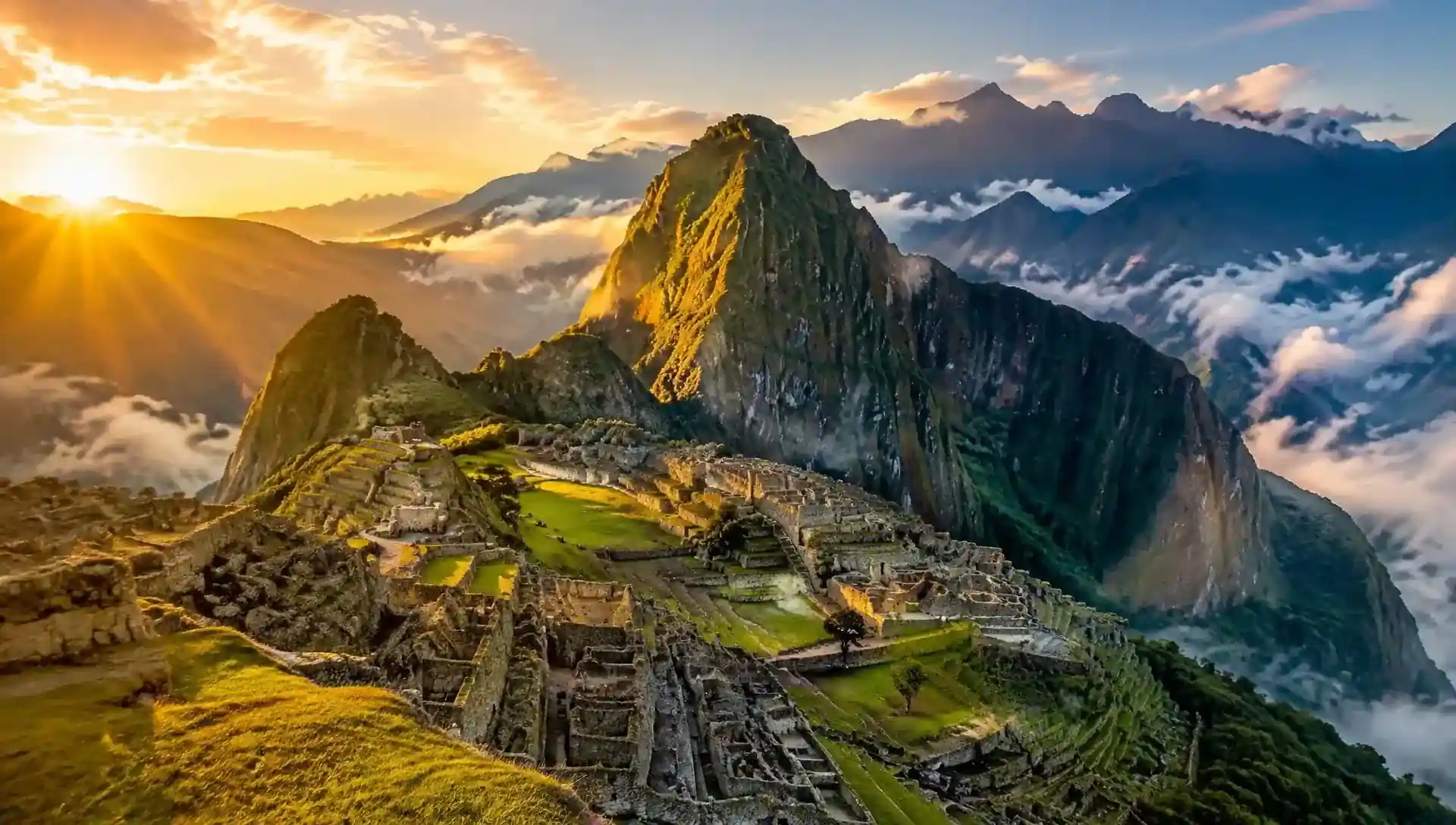
Train, bus, entry ticket and guided tour of Machu Picchu in one easy day from Cusco.
from $379
View tour →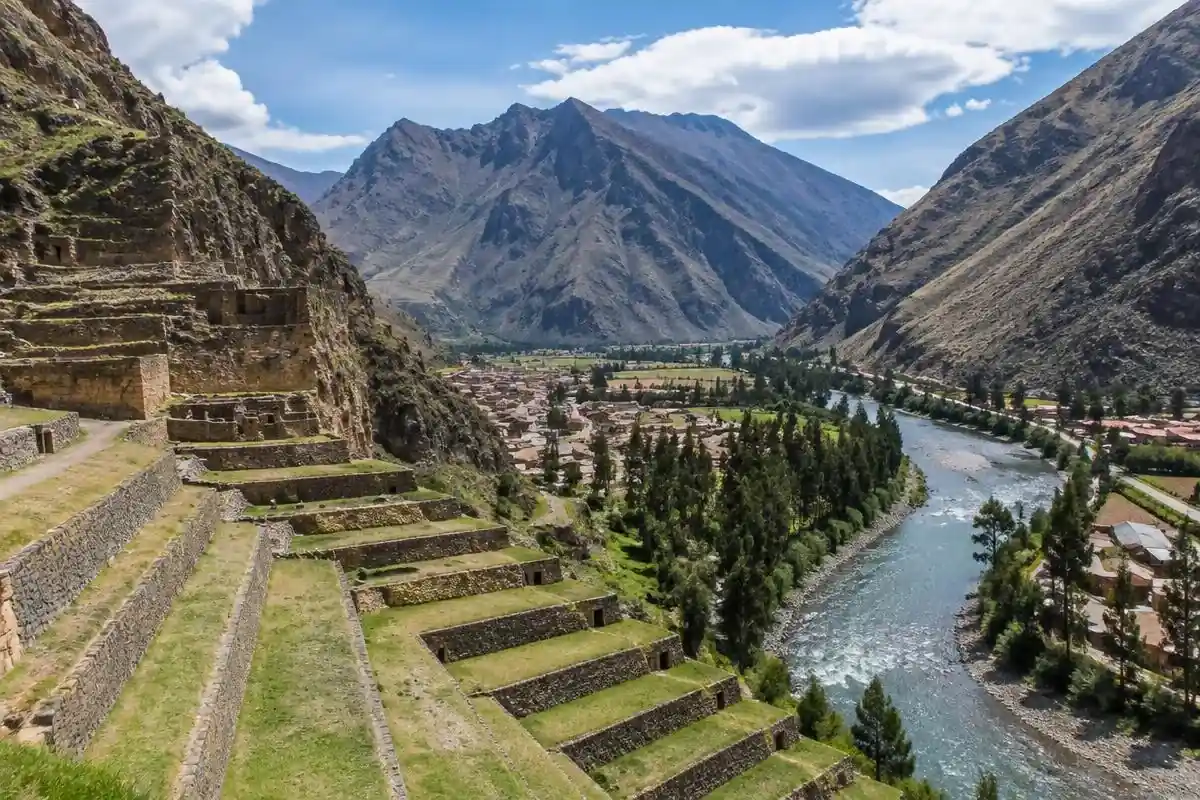
Day Tours · 1 day
Sacred Valley Full Day Tour
Chinchero, Moray, Maras salt mines, Ollantaytambo and Pisac in one full day from Cusco, with buffet lunch.
from $49
View tour →Keep planning
- Huayna Picchu: Hike Guide to the Peak Behind Machu Picchu
- Machu Picchu Circuits Explained: Circuit 1, 2 and 3 and All 10 Routes
- Machu Picchu Mountain: Hike Guide to the Tallest Peak Above the Citadel
- Sun Gate Machu Picchu: How to Hike to Inti Punku and What You Will See
- Intihuatana Stone at Machu Picchu: Meaning, Purpose and How to See It
- Inca Bridge Machu Picchu: The Cliffside Trail and Secret Log Crossing
- Temple of the Moon at Machu Picchu: The Hidden Cave Shrine on Huayna Picchu
- Machu Picchu Tickets 2026: Prices, Ticket Types and How to Buy