
Santa Teresa, Peru: Jungle Town Guide Near Machu Picchu
By the Goo Machu Picchu team · Checked against official sources (editorial policy) · Updated October 2026 · 6 min read
Santa Teresa is a small, warm jungle town in the Cusco region, about 1,550 m (5,085 ft) above sea level, on the western side of Machu Picchu. It is the gateway to the Hydroelectric station, the cheap road route to Aguas Calientes, and the overnight stop on the Salkantay and Inca Jungle treks.
This guide covers Santa Teresa as a destination: where it is, its short history, how to get there, things to do, where to stay, how to continue to Machu Picchu, weather and practical tips.
- Region
- La Convención province, Cusco
- Elevation
- About 1,550 m (5,085 ft)
- Climate
- Warm and humid, high jungle
- From Cusco
- About 5 to 6 hours by road
- To Hydroelectric
- About 30 min by road
- Known for
- Cocalmayo hot springs, zipline, coffee
Where Is Santa Teresa, Peru?
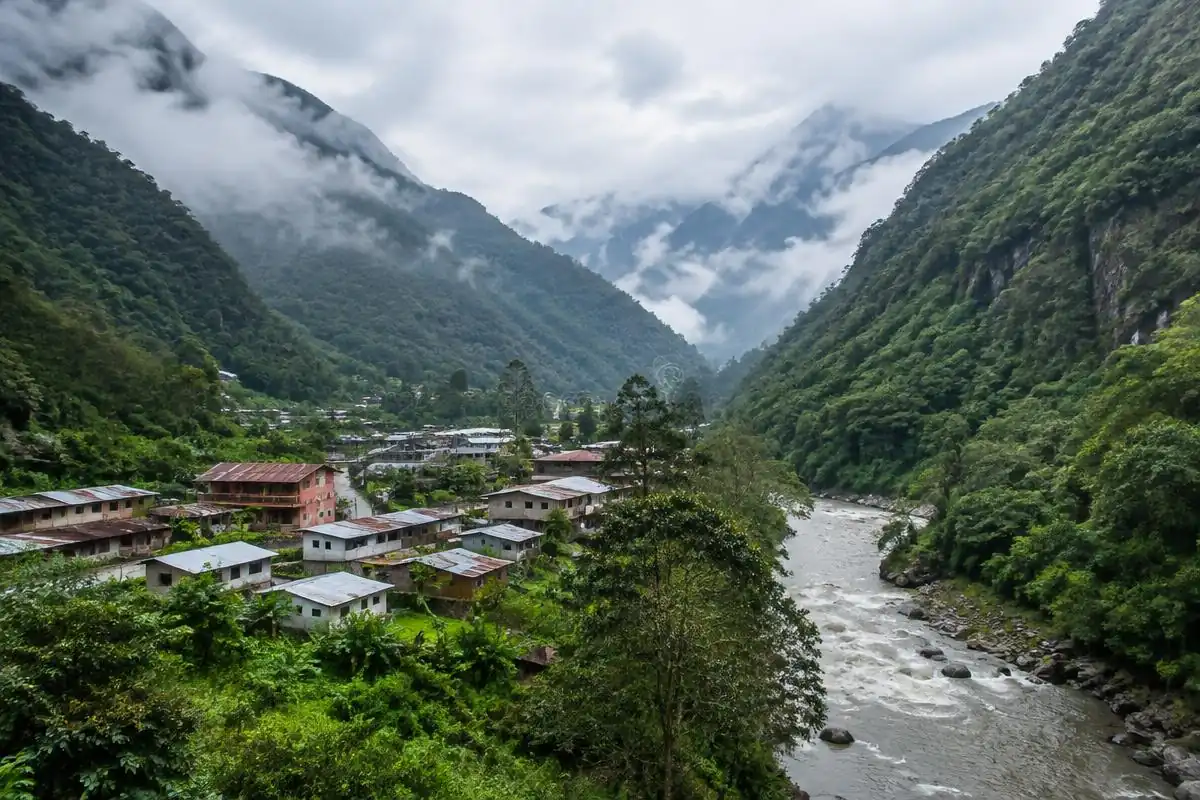
Santa Teresa is in La Convención province of the Cusco region, where the Sacsara and Urubamba rivers meet, west of Machu Picchu. It sits in the high jungle at about 1,550 m, so it feels far warmer than Cusco. The Hydroelectric station, the road end for Machu Picchu, lies about 12 km away.
- Closest town to the Hydroelectric station.
- Lower than Cusco, so altitude is rarely an issue.
- Surrounded by coffee, banana and fruit farms.
- Llactapata ruins rise on the ridge above.
A Short History of Santa Teresa
Santa Teresa grew as a farming town in the coffee and fruit valleys below Machu Picchu. In 1998 a huge mudslide (huayco) on the Aobamba and Urubamba rivers destroyed the old town and the railway that served it. The town was rebuilt higher up, and road access later turned it into a backpacker gateway to Machu Picchu.
- Old town and rail line destroyed in 1998.
- Rebuilt on safer ground nearby.
- Road route made it a budget Machu Picchu gateway.
- Trek tourism now supports many local families.
How to Get to Santa Teresa from Cusco
To get to Santa Teresa from Cusco, take a shared van, private car or tour west through Ollantaytambo and over the Abra Malaga pass (about 4,300 m), then down into the jungle via Santa María. The drive takes about 5 to 6 hours on a winding mountain road. Trekkers arrive on foot on the Salkantay or Inca Jungle routes.
- Book a seat or tour the day before.
- Take motion sickness tablets for the curvy road.
- Carry warm layers for the Abra Malaga pass.
- Expect a hot, humid arrival in the valley.
| Option | Typical time | Notes |
|---|---|---|
| Shared van from Cusco | 5 to 6 hours | Leaves from vans near Cusco's west side |
| Private car | About 5 hours | Most flexible, stops on request |
| Bus to Santa María + colectivo | 6 to 7 hours | Cheapest, more changes |
| Salkantay trek | Day 3 arrival | Walking route via Collpapampa |
| Inca Jungle trek | Day 2 arrival | Bike, hike and road combination |
Road and rail options to Machu Picchu are compared in the how to get to Machu Picchu guide.
Things to Do in Santa Teresa, Peru
The best things to do in Santa Teresa, Peru are soaking in the Cocalmayo hot springs, flying on one of the valley's ziplines, visiting a local coffee farm, hiking up to the Llactapata ruins with a view of Machu Picchu, and rafting on the Urubamba in the dry season. Most visitors combine two activities in one afternoon.
| Activity | Time needed | Good to know |
|---|---|---|
| Cocalmayo hot springs | 2 to 3 hours | About 3 km from town |
| Zipline | 2 to 3 hours | Several operators, transport included |
| Coffee farm visit | 1 to 2 hours | Often included on treks |
| Llactapata hike | Half to full day | Inca site with distant Machu Picchu view |
| Urubamba rafting | Half day | Dry season, water level dependent |
Directions and tips for the thermal pools are in our Cocalmayo hot springs guide.
Where to Stay in Santa Teresa
Where to stay in Santa Teresa depends on budget: the town has simple family guesthouses, basic hostels, campsites used by trek groups and a few small mid-range lodges near the hot springs. There are no luxury hotels. Book ahead in June to August, when Salkantay and Inca Jungle groups fill most beds.
- Guesthouses near the main plaza for convenience.
- Campsites and lodges near Cocalmayo for evening soaks.
- Expect cold or lukewarm showers in cheap rooms.
- Check for mosquito nets and screened windows.
- Wi-Fi is basic and often slow.
If you prefer to sleep next to the ruins instead, see the Aguas Calientes guide.
How to Get from Santa Teresa to Machu Picchu
To get from Santa Teresa to Machu Picchu, take a taxi or colectivo about 30 minutes to the Hydroelectric station. From there, walk about 2.5 hours along the railway to Aguas Calientes, or take the short PeruRail train. The next morning, ride the bus or hike up to Machu Picchu with your timed entry ticket.
- Taxi or colectivo from Santa Teresa to Hydroelectric.
- Walk the flat railway path to Aguas Calientes, or take the train.
- Spend the night in Aguas Calientes.
- Bus or hike up to Machu Picchu at your ticket time.
Train and road options are compared in the how to get to Machu Picchu guide, and entry times are in the Machu Picchu tickets guide.
Santa Teresa Weather and Best Time to Visit
Santa Teresa weather is warm all year, with daytime temperatures often around 25 to 30°C (77 to 86°F) and humid nights. The best time to visit is the dry season, May to September, when roads are safer and skies clearer. From December to March, heavy rain can cause landslides that close the road from Cusco.
| Season | Months | What to expect |
|---|---|---|
| Dry | May to September | Sunny days, dusty roads, busy with treks |
| Shoulder | April, October, November | Some showers, fewer groups |
| Rainy | December to March | Heavy rain, landslide road closures possible |
Practical Tips for Visiting Santa Teresa
For Santa Teresa, carry enough cash in soles because ATMs are few and can run empty, bring strong insect repellent for sandflies, pack light clothes plus a warm layer for the drive, and check road conditions in the rainy season. Phone signal is patchy outside town, so download maps offline.
- Cash first: ATMs are limited.
- Repellent for sandflies, especially at dusk.
- Sunscreen and a hat for the hot valley.
- Offline maps for weak signal areas.
- Keep passport handy for checkpoints and tickets.
Phone and data options are covered in the Peru SIM card guide.
Frequently asked questions
Is Santa Teresa worth visiting?
Santa Teresa is worth visiting if you want a relaxed jungle stop, the Cocalmayo hot springs and a cheaper road route to Machu Picchu. It suits trekkers and budget travelers. If you have little time or want comfort, going straight to Aguas Calientes by train is simpler.
How far is Santa Teresa from Machu Picchu?
Santa Teresa is about 12 km by road from the Hydroelectric station, then about 11 km on foot along the railway to Aguas Calientes, below Machu Picchu. In practice, the trip takes around 3 to 4 hours, so most visitors overnight in Aguas Calientes before entering the ruins.
Is Santa Teresa safe?
Santa Teresa is generally considered safe for tourists, as a small, friendly farming town used to trek groups. Usual precautions apply: watch belongings, avoid unlit roads at night, and use known taxis. The main risks are road conditions and landslides in the rainy season, not crime.
What is the elevation of Santa Teresa, Peru?
Santa Teresa, Peru sits at roughly 1,550 m (about 5,085 ft) above sea level. That is about 1,800 m lower than Cusco and lower than Machu Picchu, so most visitors feel no altitude effects there. The drive from Cusco crosses a far higher pass first.
Can you do a day trip to Santa Teresa from Cusco?
A day trip to Santa Teresa from Cusco is possible but tiring, with about 10 to 12 hours of driving round trip on mountain roads. Some tours offer it with Cocalmayo or the zipline. Staying at least one night makes the visit far more enjoyable.
Is the road from Cusco to Santa Teresa dangerous?
The road from Cusco to Santa Teresa is paved for much of the way but narrow and winding, with steep drops over the Abra Malaga pass. It is used daily by vans and tours. Choose reputable drivers, avoid night travel and be ready for delays after heavy rain.
Are there ATMs in Santa Teresa?
Santa Teresa has very few ATMs, and they can run out of cash or fail to accept foreign cards. Bring enough soles from Cusco for lodging, taxis, food and activity fees. Some guesthouses and operators accept cards, but cash remains the safest option.
How many days should I spend in Santa Teresa?
One night in Santa Teresa is enough for most travelers, allowing an afternoon at the hot springs or zipline. Two nights suit visitors who want to add the Llactapata hike or a coffee farm visit. Trekkers usually spend exactly one night there.
Planning a Santa Teresa route to Machu Picchu?
Send us your dates and we will suggest a trek or road route through Santa Teresa with your Machu Picchu entry. Prefer to read first? Get the free Machu Picchu trip guide.
Sources checked October 4, 2026
Recommended tours
Treks · 5 days
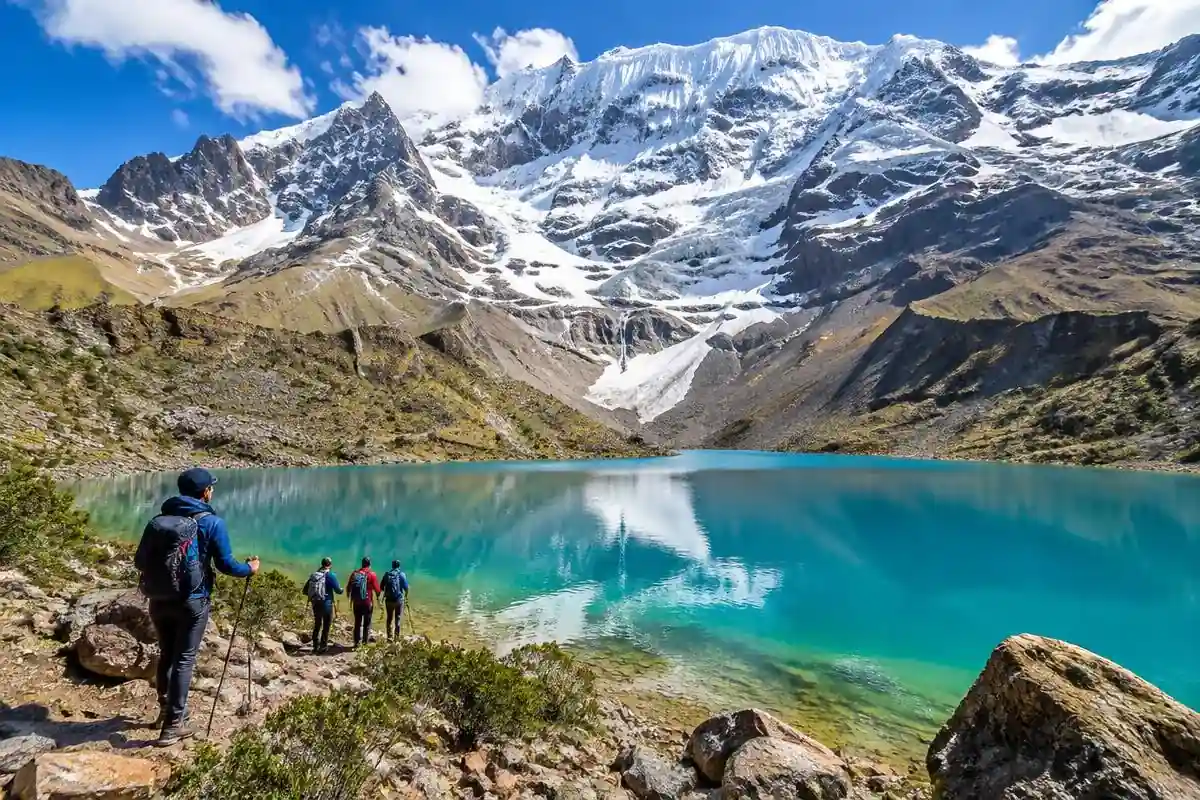
Salkantay Trek to Machu Picchu, 5 Days
The best alternative to the Inca Trail: Humantay Lake, a 4,630 m pass and cloud forest.
from $490
View tour →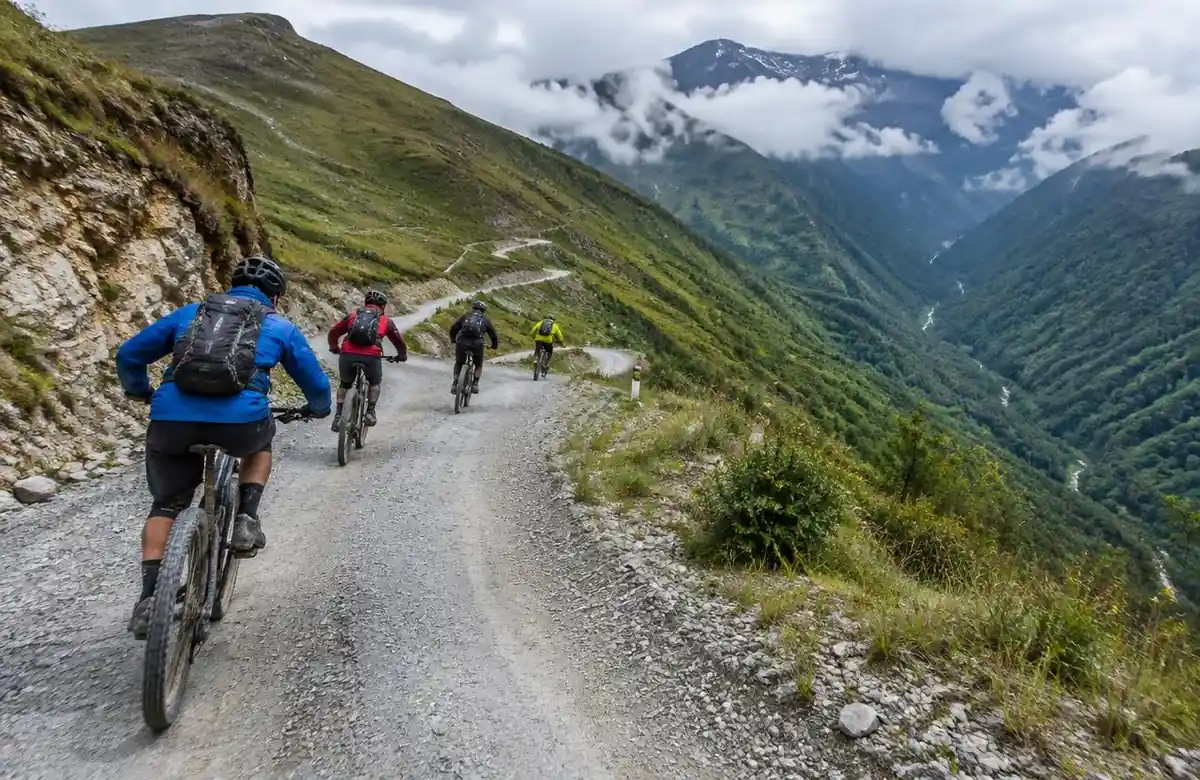
Treks · 4 days
Inca Jungle Trek to Machu Picchu, 4 Days
Downhill biking, Inca paths, hot springs and a guided Machu Picchu visit in 4 days. No permit needed.
from $405
View tour →Keep planning
- Aguas Calientes Hotels: Where to Stay in Machu Picchu Town and How to Choose
- Aguas Calientes Hot Springs: A Practical Guide to the Thermal Baths Below Machu Picchu
- Ollantaytambo: The Inca Fortress Town of the Sacred Valley Explained
- Sacsayhuamán: The Megalithic Inca Fortress Above Cusco Explained
- Qorikancha: The Golden Inca Temple of the Sun in Cusco
- Maras Salt Mines: How the Salineras de Maras Work and How to Visit
- Moray Ruins: The Inca Circular Terraces of the Sacred Valley Explained
- Pisac Ruins: The Inca Citadel and Market Town of the Sacred Valley