
Cocalmayo Hot Springs: Santa Teresa Thermal Pools Guide
By the Goo Machu Picchu team · Checked against official sources (editorial policy) · Updated October 2026 · 6 min read
Cocalmayo hot springs (Baños Termales de Cocalmayo) are natural thermal pools on the Urubamba River about 3 km from the town of Santa Teresa, west of Machu Picchu. Warm mountain water fills several large open-air pools surrounded by jungle-covered cliffs. Most visitors arrive on the Salkantay or Inca Jungle treks, or on the road route via Hydroelectric.
This guide covers only the Cocalmayo springs: what the pools are like, where they sit, how to get there from Santa Teresa, Hydroelectric, Aguas Calientes and Cusco, opening times and the best hour to go, which treks stop there, how they compare with Aguas Calientes, and what to bring.
- Location
- About 3 km from Santa Teresa, Cusco region
- Elevation
- About 1,500 m (4,900 ft)
- Water temperature
- Roughly 38 to 44°C (100 to 111°F)
- Open
- Daily, early morning to late evening
- Entry
- Small fee paid at the gate
- Common on
- Salkantay and Inca Jungle treks
What Are the Cocalmayo Hot Springs Like?
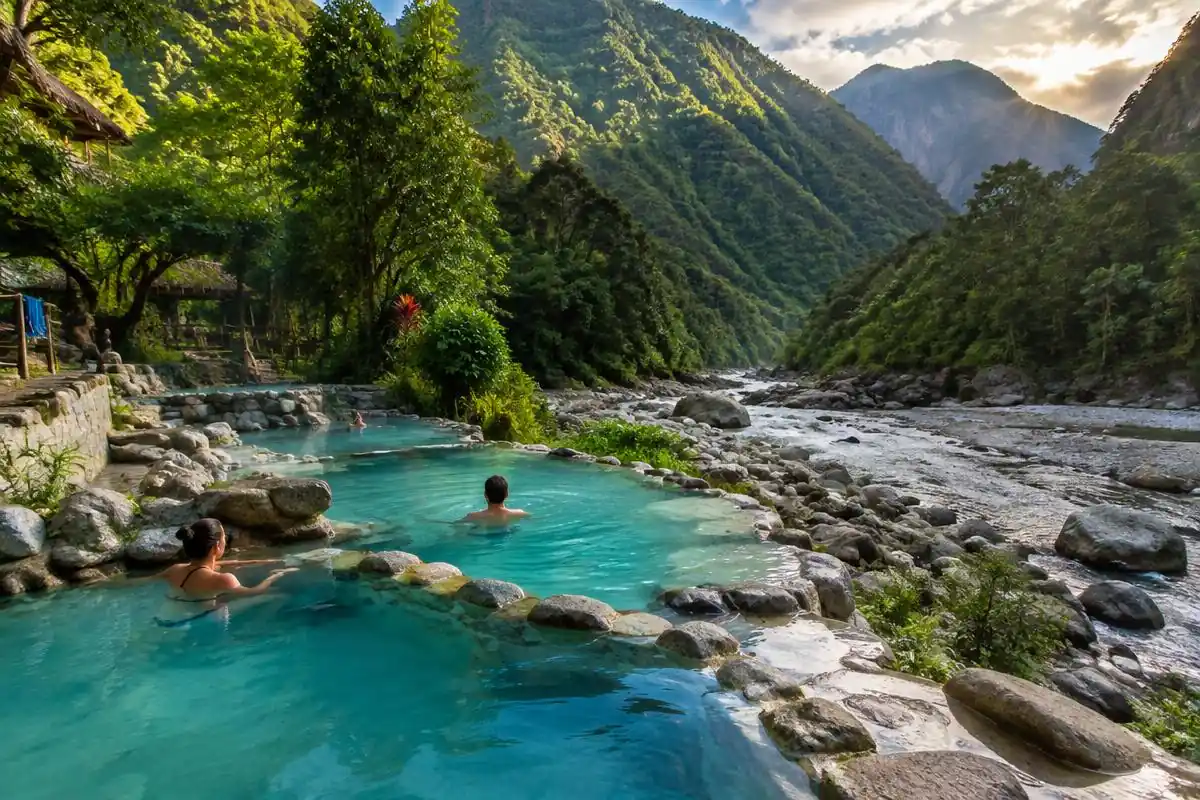
The Cocalmayo hot springs are a set of large, landscaped thermal pools beside the Urubamba River, fed by warm water flowing from the mountainside. Pools vary from warm to hot, and a natural thermal waterfall acts as a shower. Lush cloud forest cliffs rise on every side, making it one of the most scenic hot springs near Machu Picchu.
- Several pools at different temperatures.
- Thermal water spout and waterfall for showering.
- Changing rooms, lockers and toilets on site.
- Small snack and drink stalls near the entrance.
- Grassy areas for resting between soaks.
- Lit pools for evening visits.
Where Are the Cocalmayo Hot Springs Located?
The Cocalmayo hot springs are in the Santa Teresa district of La Convención province, Cusco region, about 3 km north of Santa Teresa town on the Urubamba River. They sit on the western side of the Machu Picchu area, roughly 12 km by road from the Hydroelectric station, at a much lower and warmer elevation than Cusco.
| From | Distance | Typical travel time |
|---|---|---|
| Santa Teresa town | About 3 km | 10 min by taxi, 45 min walk |
| Hydroelectric station | About 12 km | 30 to 40 min by road |
| Aguas Calientes | Walk to Hydroelectric, then road | 3 to 4 hours total |
| Ollantaytambo | Via Abra Malaga road | About 4 to 5 hours |
| Cusco | Via Abra Malaga road | About 5 to 6 hours |
More on the town itself, from history to where to stay, is in the Santa Teresa Peru guide.
How to Get to the Cocalmayo Hot Springs
To get to the Cocalmayo hot springs, first reach Santa Teresa, then take a short taxi or colectivo ride north along the Urubamba River. From Aguas Calientes, walk about 2.5 hours along the railway to Hydroelectric, then take a car to Santa Teresa. From Cusco, shared vans and tours drive via Ollantaytambo and Abra Malaga.
- Travel from Cusco to Santa Teresa by shared van or tour.
- Or walk from Aguas Calientes to Hydroelectric station.
- Take a taxi or colectivo from Hydroelectric to Santa Teresa.
- Hire a taxi from Santa Teresa to Cocalmayo, about 10 minutes.
- Arrange the return ride with the driver before he leaves.
- Walk back by daylight if you prefer, about 45 minutes.
The cheap road route to Machu Picchu via Hydroelectric is explained in the how to get to Machu Picchu guide.
When Is the Best Time to Visit Cocalmayo Hot Springs?
The best time to visit Cocalmayo hot springs is late afternoon on a dry-season day, from May to September, when trekkers relax after hiking and the pools glow at sunset. Early mornings are quietest. In the rainy months, the river can run high and muddy, though the pools themselves usually stay open.
- Early morning: fewest people, cleanest water.
- Late afternoon: busiest with trek groups.
- Evening: lit pools, cooler air, more sandflies.
- Dry season: clear skies, easier roads.
- Rainy season: landslide risk on access roads.
Seasonal conditions around Machu Picchu are in the Machu Picchu weather guide.
Which Treks and Routes Stop at the Cocalmayo Hot Springs?
The Salkantay trek and the Inca Jungle trek are the two main routes that stop at the Cocalmayo hot springs, usually on the afternoon before reaching Hydroelectric and Aguas Calientes. Independent travelers on the road route to Machu Picchu via Santa Teresa can also add a soak with an overnight in town.
| Route | When you visit | Notes |
|---|---|---|
| Salkantay trek | Day 3 or 4 afternoon | Optional, entry usually extra |
| Inca Jungle trek | Day 2 afternoon | Most itineraries include the stop |
| Road route via Santa Teresa | Any afternoon | Needs a night in Santa Teresa |
| Lares trek | Not on route | Lares has its own hot springs |
Effort on the main route is compared in the Salkantay trek difficulty guide, and how it differs from the Inca Trail is in the Inca Trail vs Salkantay guide.
Cocalmayo vs Aguas Calientes Hot Springs: Which Is Better?
Cocalmayo is better for scenery, pool size and a relaxed riverside setting, while Aguas Calientes hot springs win on convenience, since they sit a short walk from Machu Picchu town and hotels. Cocalmayo needs a trek or a road trip via Santa Teresa, so most day visitors to Machu Picchu cannot reach it easily.
| Feature | Cocalmayo | Aguas Calientes |
|---|---|---|
| Setting | Open riverside, jungle cliffs | Narrow gorge at town edge |
| Pool size | Large, several pools | Smaller pools |
| Access | Via Santa Teresa | 10 min walk from town |
| Crowds | Trek groups in afternoon | Busy in evenings |
| Best for | Salkantay and Inca Jungle trekkers | Machu Picchu overnight visitors |
The thermal baths beside Machu Picchu town are covered in detail in our Aguas Calientes hot springs guide.
What to Bring to the Cocalmayo Hot Springs
For the Cocalmayo hot springs, bring a swimsuit, a quick-dry towel, sandals, insect repellent, sunscreen, drinking water and some cash in small soles for entry, lockers and snacks. Sandflies are common near the river, especially at dusk, so strong repellent and a light long-sleeve layer make the visit far more comfortable.
- Swimsuit, since nude bathing is not allowed.
- Quick-dry towel and flip-flops.
- DEET or picaridin insect repellent.
- Small bills for entry and lockers.
- Plastic bag for wet clothes.
- Headlamp for walking back after dark.
Small notes and coins are explained in the Peru currency guide.
Frequently asked questions
Are the Cocalmayo hot springs natural?
The Cocalmayo hot springs use natural thermal water that flows from the mountainside above the Urubamba River. The pools themselves are man-made and landscaped with stone, then filled with that natural water. Staff drain and clean the pools regularly, often early in the morning.
Are the Cocalmayo hot springs clean?
The Cocalmayo hot springs are generally considered cleaner than the busier Aguas Calientes pools, thanks to larger pools and steady water flow. Cleanliness varies by hour, with the freshest water early in the morning after cleaning. Showering before entering helps keep the pools pleasant for everyone.
Can you visit Cocalmayo on a Machu Picchu day trip?
You cannot easily visit Cocalmayo on a Machu Picchu day trip from Cusco. The springs sit on the Santa Teresa side, hours from Aguas Calientes by walking and road. Visiting needs an extra night in Santa Teresa or a trek such as Salkantay or the Inca Jungle route.
Is Cocalmayo hot springs entry included in treks?
Cocalmayo hot springs entry is often not included in trek prices and is paid at the gate. Some Inca Jungle itineraries include it, while many Salkantay trips list it as optional. Check the included and not included lists of your trek before you go.
Are there sandflies at Cocalmayo?
Yes, sandflies (tiny biting flies) are common at Cocalmayo, as in much of the Santa Teresa valley. Bites can itch for days. Apply strong repellent before and after soaking, cover up at dusk, and bring antihistamine cream if you react strongly to insect bites.
Can children use the Cocalmayo hot springs?
Children can use the Cocalmayo hot springs, and local families often visit with kids. Choose the cooler pools for young children, watch them closely near deeper sections, and keep soaking sessions short in the hottest water. Lifeguard supervision is limited, so parents should stay close.
Is it safe to walk to Cocalmayo from Santa Teresa?
Walking to Cocalmayo from Santa Teresa is generally safe by day, along a road of about 3 km beside the river, taking roughly 45 minutes. After dark the road is unlit and shared with vehicles, so take a taxi back or carry a headlamp and walk in a group.
Can you stay overnight near the Cocalmayo hot springs?
You can stay overnight near the Cocalmayo hot springs in Santa Teresa, which has simple guesthouses, campsites used by trek groups and a few small hotels. Some campsites sit within walking distance of the springs. Staying the night lets you soak in the evening and again in the quiet morning.
Want Cocalmayo on your way to Machu Picchu?
Send us your dates and we will suggest a route that includes the Santa Teresa hot springs and your Machu Picchu entry. Prefer to read first? Get the free Machu Picchu trip guide.
Sources checked October 4, 2026
Recommended tours
Treks · 5 days
Salkantay Trek to Machu Picchu, 5 Days
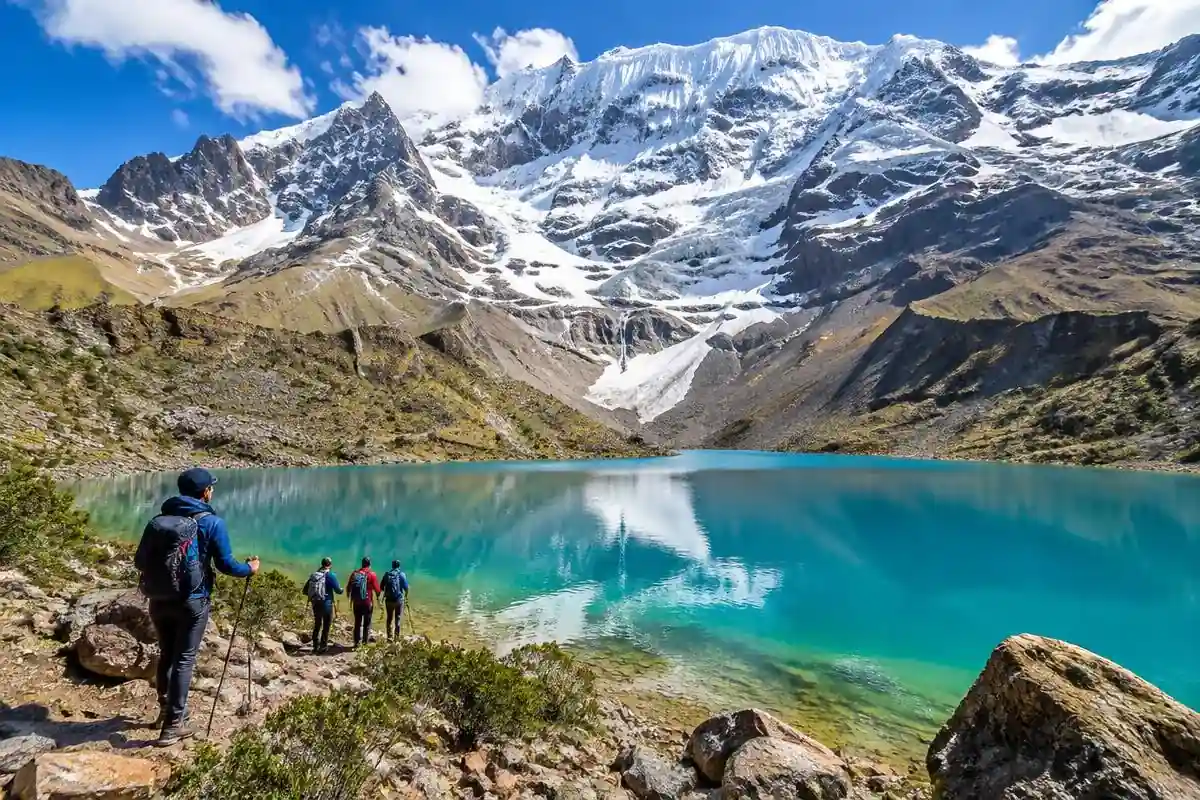
The best alternative to the Inca Trail: Humantay Lake, a 4,630 m pass and cloud forest.
from $490
View tour →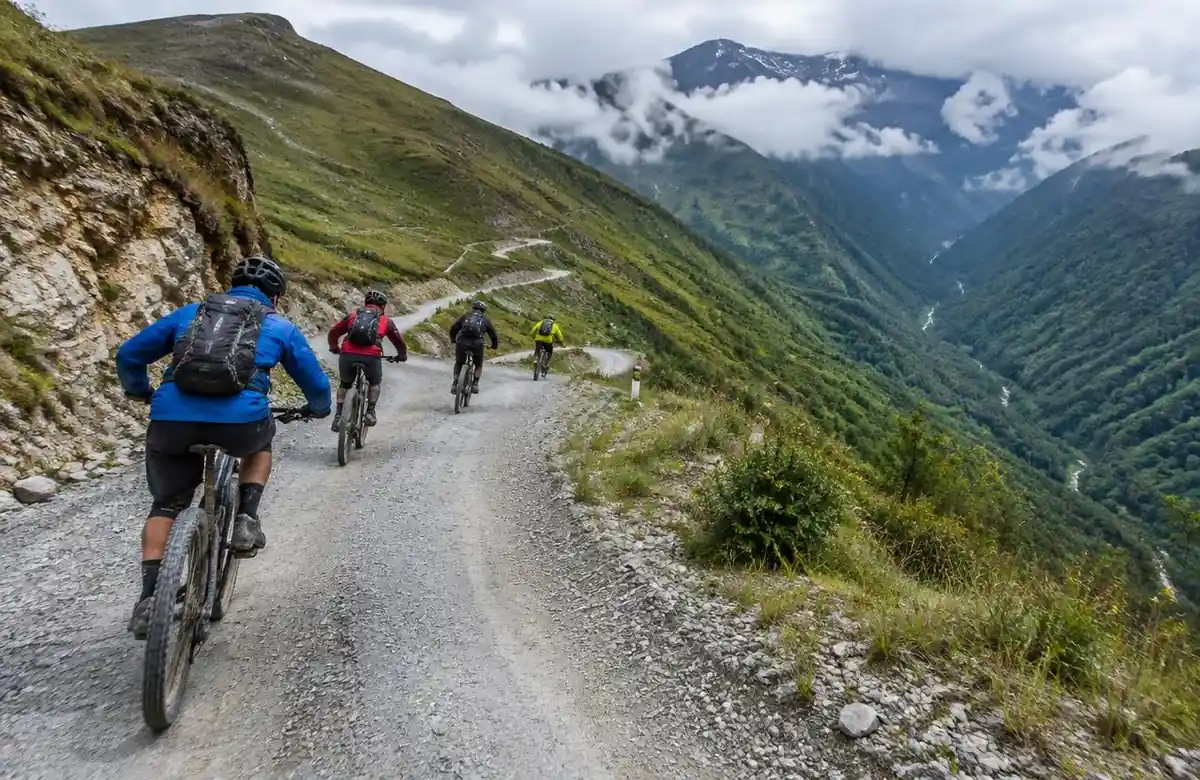
Treks · 4 days
Inca Jungle Trek to Machu Picchu, 4 Days
Downhill biking, Inca paths, hot springs and a guided Machu Picchu visit in 4 days. No permit needed.
from $405
View tour →Keep planning
- Aguas Calientes Hotels: Where to Stay in Machu Picchu Town and How to Choose
- Aguas Calientes Hot Springs: A Practical Guide to the Thermal Baths Below Machu Picchu
- Ollantaytambo: The Inca Fortress Town of the Sacred Valley Explained
- Sacsayhuamán: The Megalithic Inca Fortress Above Cusco Explained
- Qorikancha: The Golden Inca Temple of the Sun in Cusco
- Maras Salt Mines: How the Salineras de Maras Work and How to Visit
- Moray Ruins: The Inca Circular Terraces of the Sacred Valley Explained
- Pisac Ruins: The Inca Citadel and Market Town of the Sacred Valley