
Peru Travel Tips: What First-Time Visitors Should Know
By the Goo Machu Picchu team · Checked against official sources (editorial policy) · Updated October 2026 · 7 min read
Peru travel tips are the small, practical habits that make a first trip smoother: drinking only bottled or filtered water, carrying toilet paper and small coins, learning a few Spanish phrases, using registered taxis, and pacing yourself at altitude. None are hard, but skipping them causes most of the minor problems travelers report.
This guide collects the everyday know-how for Peru that itineraries and booking pages leave out: water and bathrooms, language, getting around cities, etiquette, bargaining and photos, health habits, what US customs will take from your bag, and the first-timer mistakes worth avoiding.
- Tap water
- Not safe to drink, use bottled or filtered
- Toilet paper
- Goes in the bin, carry your own
- Main languages
- Spanish, plus Quechua in the Andes
- Taxis
- Use apps or registered companies
- Altitude
- Cusco about 3,400 m (11,150 ft)
- Do not bring home
- Coca leaves, fresh fruit, meat
What Should You Know Before Traveling to Peru for the First Time?
Before traveling to Peru for the first time, know that Cusco sits at high altitude, tap water is unsafe to drink, small bills matter, and Spanish is widely needed outside hotels. Plan slower first days, carry soles in small notes, and book Machu Picchu tickets and trains well ahead of your dates.
- Entry: US passport valid for your stay, no visa for tourism.
- Money: soles, with small bills for markets and taxis.
- Altitude: rest the first day in Cusco or the Sacred Valley.
- Bookings: Machu Picchu, trains and Inca Trail sell out first.
- Weather: dry May to September, rainy December to March.
- Time zone: Peru stays on UTC minus 5 all year.
- Power: 220 volts with Type A and C outlets.
Entry rules are detailed in the Peru visa requirements guide, and soles, ATMs and tipping are covered in the Peru currency guide.
Outlets, voltage and adapters are explained in our Peru power plug guide.
Phone data options are compared in our Peru SIM card guide.
Can You Drink Tap Water in Peru?
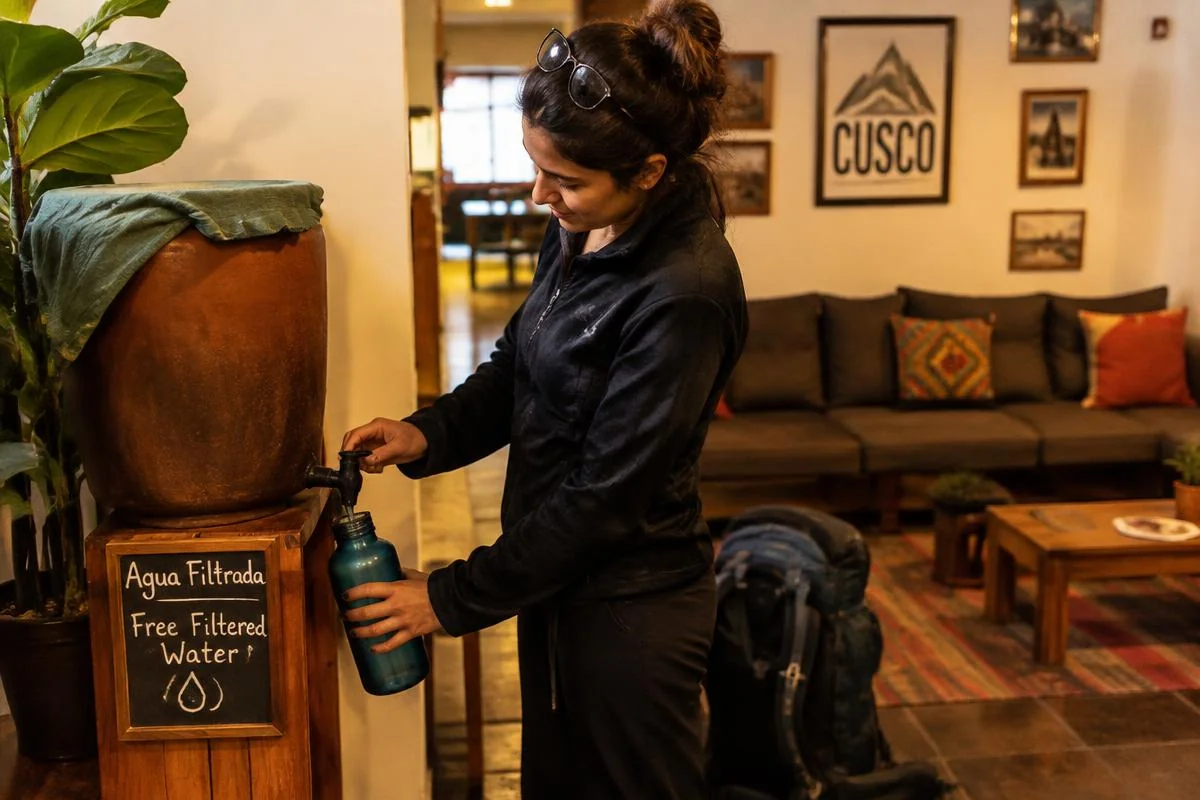
You should not drink tap water in Peru, including in Lima and Cusco. Local systems are treated but pipes and storage are unreliable for visitors' stomachs. Drink bottled, boiled or filtered water, brush teeth with it if you are sensitive, and avoid ice and raw salads where you cannot trust the water source.
- Refill from hotel filter dispensers to cut plastic use.
- Carry a filter bottle or purifying tablets for treks.
- Buy large bottles (bidones) for your room.
- Choose peeled fruit and cooked food at street stalls.
- Hot drinks like coca tea are safe, since water is boiled.
How Do Toilets and Bathrooms Work in Peru?
In Peru, used toilet paper goes in the small bin next to the toilet, not in the bowl, because old plumbing clogs easily. Public bathrooms often charge about S/1 and may not supply paper. Carry tissues, hand sanitizer and coins, especially at bus stations, markets, trailheads and Machu Picchu.
Machu Picchu has bathrooms only near the entrance, outside the citadel, so use them before your circuit begins. On treks, crews set up toilet tents at camps.
Upscale hotels in Lima sometimes allow flushing paper, and signs will tell you. When unsure, use the bin.
Which Spanish and Quechua Phrases Help Most in Peru?
The Spanish phrases that help most in Peru are greetings, prices and directions: buenos dias, por favor, gracias, cuanto cuesta and donde esta. In Cusco and the Andes, many locals speak Quechua at home, and a simple allillanchu (hello, how are you) or sulpayki (thank you) earns warm smiles.
| Phrase | Language | Meaning |
|---|---|---|
| Buenos dias / buenas tardes | Spanish | Good morning / good afternoon |
| Cuanto cuesta? | Spanish | How much is it? |
| Donde esta el bano? | Spanish | Where is the bathroom? |
| Sin hielo, por favor | Spanish | No ice, please |
| La cuenta, por favor | Spanish | The check, please |
| Allillanchu? | Quechua | Hello, how are you? |
| Sulpayki | Quechua | Thank you |
How Should You Get Around Peruvian Cities Safely?
The safest way to get around Peruvian cities is by ride-hailing apps such as Uber, Cabify or InDrive in Lima, and registered taxis booked by your hotel in Cusco. Agree on taxi fares before getting in, since most have no meters. Avoid unmarked cars hailed on the street, especially at night.
- At Lima airport, use official taxi counters or apps.
- In Cusco, short taxi rides in the center are usually cheap.
- Walk the historic centers by day; they are compact.
- Use tourist buses like Cruz del Sur for long distances.
- Keep phones out of sight near open taxi windows.
Common scams and safe areas are covered in the is Peru safe guide.
What Local Etiquette Should Travelers Respect in Peru?
Travelers in Peru should greet people before asking questions, dress modestly in churches, ask before photographing locals, and respect sacred sites like Machu Picchu by following path rules. Peruvians value politeness over speed, so a buenos dias before any request changes the tone of almost every interaction.
- Say hello before asking for help or prices.
- Cover shoulders and remove hats inside churches.
- Never climb walls or touch stones at Inca sites.
- Expect a relaxed sense of time for social plans.
- Avoid comparing Peru to neighboring countries in politics or food.
- Offer to share snacks with guides and porters on treks.
Site rules are listed in the Machu Picchu rules guide.
How Do Bargaining and Paying for Photos Work in Peru?
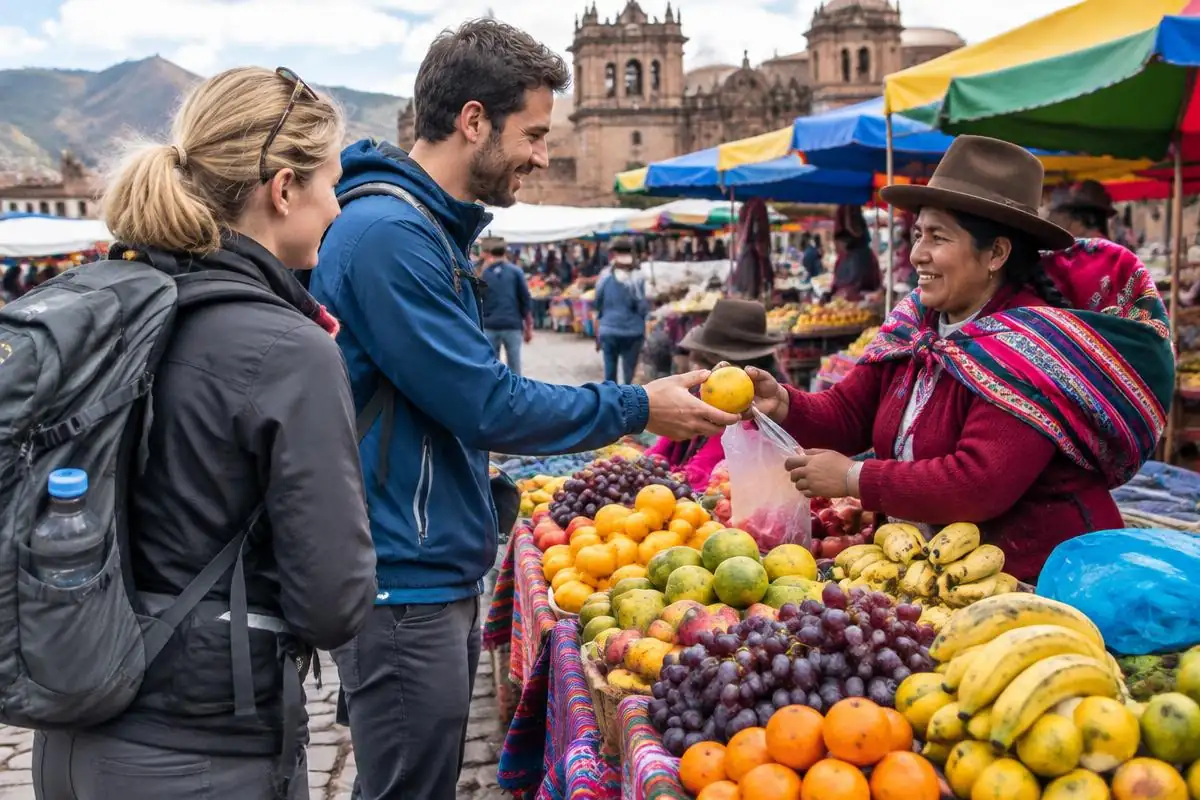
Bargaining in Peru is normal at craft markets but not in shops with fixed prices, restaurants or supermarkets. Start a little below the asking price and stay friendly. Women in traditional dress with llamas in Cusco often pose for photos and expect a small payment, usually S/1 to S/5.
- Ask the price first, then offer about 20 percent less.
- Buy several items from one stall for a better deal.
- Do not haggle hard over small amounts.
- Ask before taking close-up portraits of anyone.
- Have coins ready for photo payments.
Markets around Cusco are described in the things to do in Cusco guide.
Which Health Habits Matter Most When Traveling in Peru?
The health habits that matter most in Peru are acclimatizing slowly, drinking safe water, using strong sunscreen and eating at busy, clean places. High-altitude sun burns quickly even on cool days. Pack basic medicines for stomach upsets and headaches, and talk to a travel doctor about altitude and jungle vaccines before you go.
- Rest, hydrate and skip alcohol your first day in Cusco.
- Wear SPF 50, a hat and sunglasses at altitude.
- Bring stomach and rehydration medicine.
- Use insect repellent in the Amazon and cloud forest.
- Buy travel insurance that covers evacuation.
Altitude symptoms and prevention are covered in the Cusco altitude guide, and local dishes that suit sensitive stomachs are in the Cusco food guide.
What a policy should include is covered in our Peru travel insurance guide.
What Can't You Bring Back from Peru to the US?
You cannot bring coca leaves, coca tea bags or coca candies from Peru into the US, since they are illegal under US law. Fresh fruit, meat, seeds and plants are also restricted. Genuine pre-Columbian artifacts cannot leave Peru, and products made from protected wildlife can be seized at customs.
- Coca leaves and coca products: not allowed into the US.
- Fresh fruit, vegetables and meats: declare or leave behind.
- Archaeological artifacts: illegal to export from Peru.
- Feathers, shells and wildlife products: often restricted.
- Alpaca textiles, chocolate and coffee: generally fine.
What Mistakes Do First-Time Visitors Make in Peru?
The biggest mistakes first-time visitors make in Peru are packing too much into too few days, flying straight to Cusco and touring hard on day one, booking Machu Picchu too late, carrying only large bills and drinking tap water. Most are easy to avoid with a little planning and a slower first day.
- Planning back-to-back flights with no buffer.
- Skipping rest after landing at altitude.
- Leaving Machu Picchu tickets to the last month.
- Expecting card payments in markets and small towns.
- Packing only for warm weather in the Andes.
- Ignoring the February Inca Trail closure.
Route pacing is planned day by day in our Peru itinerary guide, and dry versus rainy months are compared in the best time to visit Machu Picchu guide.
Frequently asked questions
Is Peru expensive for American travelers?
Peru is moderately priced for American travelers. Street food, local buses and markets are cheap, while Machu Picchu tickets, trains and treks make up most of the budget. Mid-range hotels in Cusco and Lima cost less than similar US hotels, but the Machu Picchu area is pricier because everything arrives by train.
Do I need to speak Spanish to travel in Peru?
You do not need fluent Spanish to travel in Peru, especially on a guided tour or in tourist areas of Cusco and Lima. Outside hotels and tours, though, many drivers, vendors and small restaurants speak little English. A translation app and ten basic phrases make independent travel much easier.
What should I wear in Peru?
Wear layers in Peru, because the Andes swing from cold mornings to warm, sunny afternoons. Pack a fleece, a light down or insulated jacket, a rain shell, comfortable walking shoes and a sun hat. Lima is mild, and the Amazon calls for light long sleeves against insects.
Is Uber available in Peru?
Uber operates in Lima, Arequipa and some other cities, and it is a popular safe option in Lima. In Cusco, apps exist but coverage varies, so many travelers rely on taxis arranged by their hotel. Local alternatives such as Cabify and InDrive are also widely used.
What is the best way to carry money in Peru?
The best way to carry money in Peru is a mix: some soles in small bills, one debit card for ATMs inside banks and a credit card for hotels. Keep a backup card in a separate bag. Avoid flashing large amounts in markets and crowded places like buses.
Is it rude not to tip in Peru?
Not tipping in Peru is not considered rude in most daily situations, but tips are appreciated in restaurants, on tours and especially on treks. Guides, porters and cooks rely on them. Many restaurants add a service charge, so check the bill before adding more.
How many days do I need for a first trip to Peru?
A first trip to Peru usually needs at least 7 days to cover Lima, Cusco, the Sacred Valley and Machu Picchu without rushing altitude. With 10 to 14 days you can add Lake Titicaca, the Amazon or Arequipa, depending on whether you prefer culture, nature or trekking.
Planning your first trip to Peru?
Send us your dates and interests and we will suggest a relaxed plan with Machu Picchu, trains and hotels lined up. Prefer to read first? Get the free Machu Picchu trip guide.
Sources checked October 4, 2026
Recommended tours
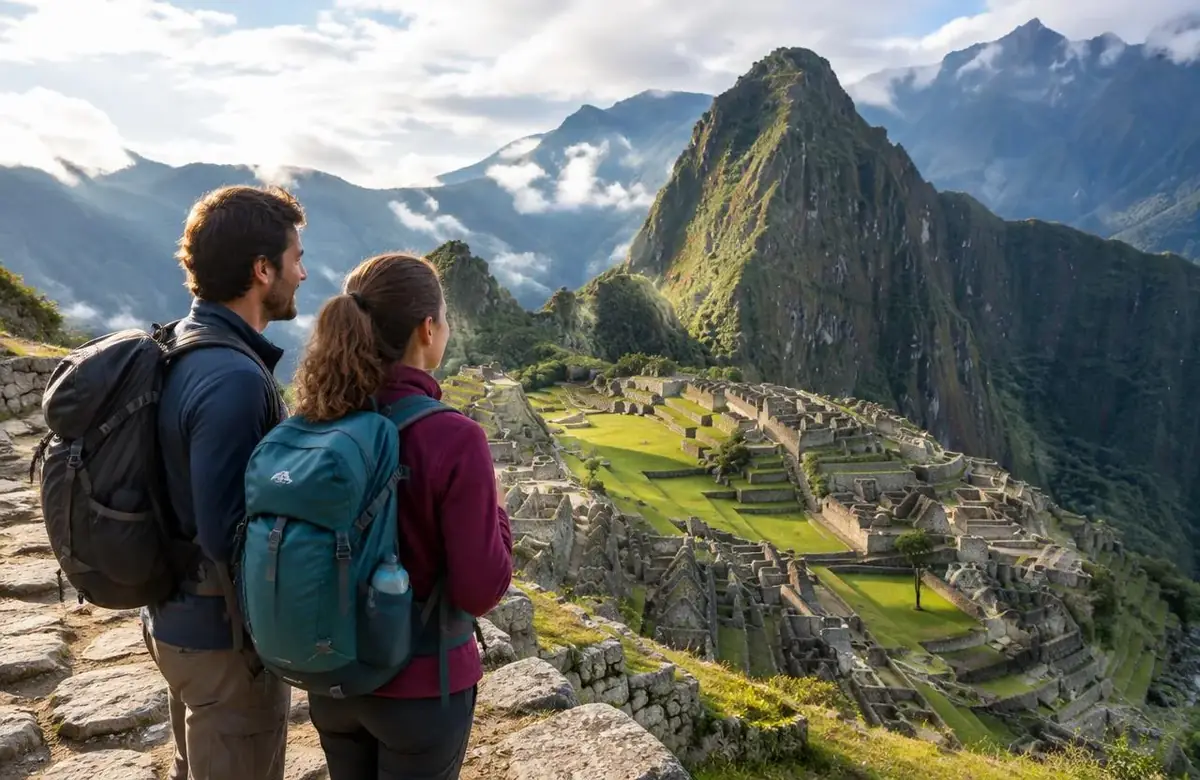
Packages · 7 days
Machu Picchu Vacation Packages, 3, 5 and 7 Days
3, 5 or 7 days from Cusco with hotels, trains, Machu Picchu tickets and guides arranged. From $479.
from $1290
View tour →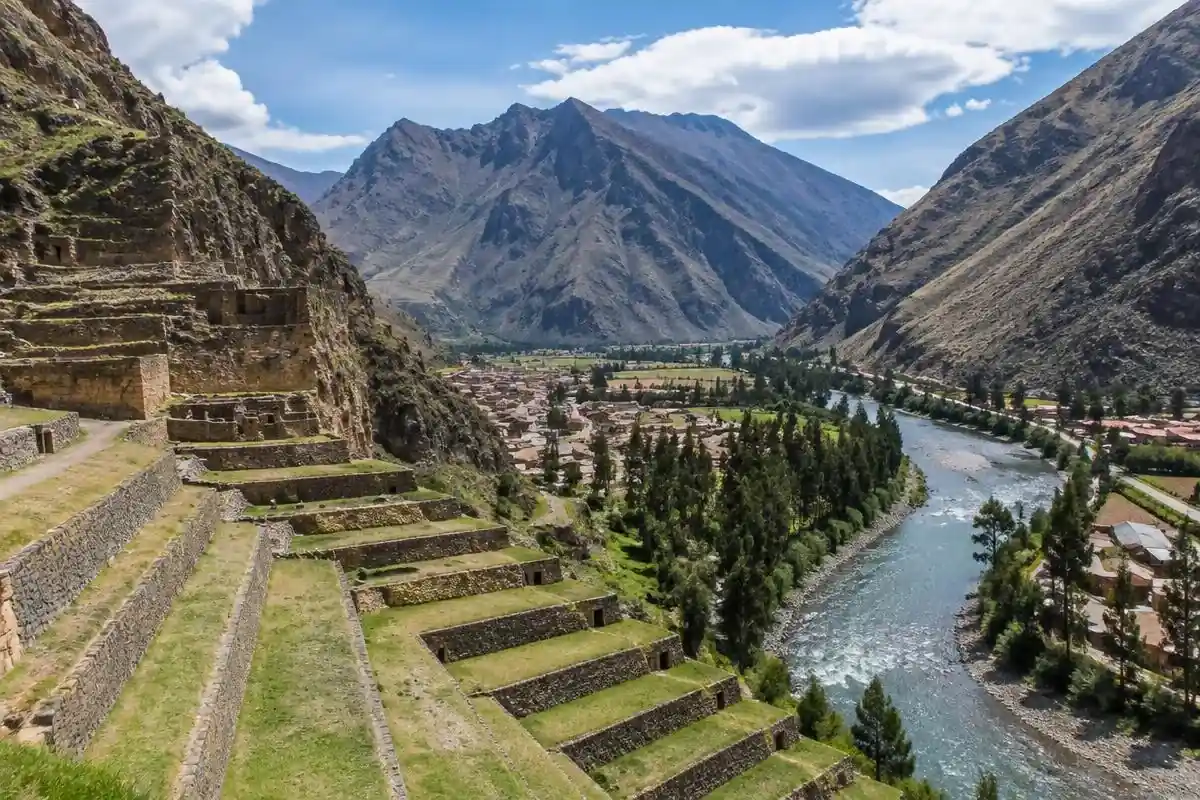
Day Tours · 1 day
Sacred Valley Full Day Tour
Chinchero, Moray, Maras salt mines, Ollantaytambo and Pisac in one full day from Cusco, with buffet lunch.
from $49
View tour →
Machu Picchu · 1 day
Machu Picchu Day Trip from Cusco
Train, bus, entry ticket and guided tour of Machu Picchu in one easy day from Cusco.
from $379
View tour →Keep planning
- Machu Picchu Tickets 2026: Prices, Ticket Types and How to Buy
- Best Time to Visit Machu Picchu: Best Months, Seasons and Time of Day
- How to Get to Machu Picchu: Every Route From Cusco Compared
- Machu Picchu Hotels: Best Places to Stay Near the Citadel by Area and Budget
- Machu Picchu Map: Where It Is in Peru and How the Ruins Are Laid Out
- Machu Picchu Cost Breakdown: How Much It Costs to Go in 2026
- Machu Picchu Rules and Regulations: The Complete 2026 Visitor Code
- Machu Picchu in December: Is a Rainy-Season Holiday Visit Worth It?